
Chapter at a glance
Protecting and restoring kelp forests is as much about connecting people to these systems as it is about science and policy. People have expressed their connection to and the importance of kelp forests in many forms, from paint to poetry to podcasts. Here, we highlight some of our favourite examples of artistic expression and communication about kelp forests.
8.1 1001 Seaforest Species
Jannes Landschoff
It is perhaps counterintuitive that one of the kelp forests most people are familiar with is also likely one of the least understood. But that is the case along the south-western coast of Africa, where the Great African Seaforest, the subject of an Oscar-winning documentary viewed by millions, still contains so many mysteries.
1001 Seaforest Species,1 developed by the Sea Change Project and supported by the Save Our Seas Foundation, is building a biodiversity knowledge platform for the Great African Seaforest. Inspired by One Thousand and One Nights, in which storytelling preserves life, 1001 applies this idea to biodiversity: each species represents a story to be discovered, documented, and shared, keeping the seaforest and its biodiversity alive in people’s imaginations.
each species represents a story to be discovered
1001 brings together many types of knowledge, documenting observations, preserving visual records, and contributing to scientific research. As such, collaboration is central to its long-term vision as it aims to connect these different forms and sources of knowledge and enable wider participation. Together, the contributors are creating a shared and enduring resource that benefits many communities and serves different purposes – from taxonomy and research to education, conservation, and public engagement.
At the centre of this resource is the 1001 Species app, a growing “living catalogue” currently under development for public release in 2027. Conceived as “a seaforest in your pocket,” it brings together over 1,000 species across the tree of life, from seaweeds and invertebrates to fishes, birds, and mammals. Species accounts combine identification, biology, and distribution with comparisons to related taxa, placing each species within the wider diversity of the seaforest.
keeping the seaforest and its biodiversity alive in people’s imaginations.
Alongside this scientific foundation, photography, film, natural history, and immersive storytelling reveal the lives behind the species. Field observations capture behaviour and ecological interactions that may be absent from formal publications, presenting species as fundamental components of a complex living ecosystem.
The underlying premise is simple: biodiversity cannot be effectively studied, monitored, or protected if it remains poorly known, inaccessible or invisible to society. By connecting people with kelp forest life through knowledge and storytelling, 1001 seeks to strengthen both the understanding and societal connection needed for long-term conservation.

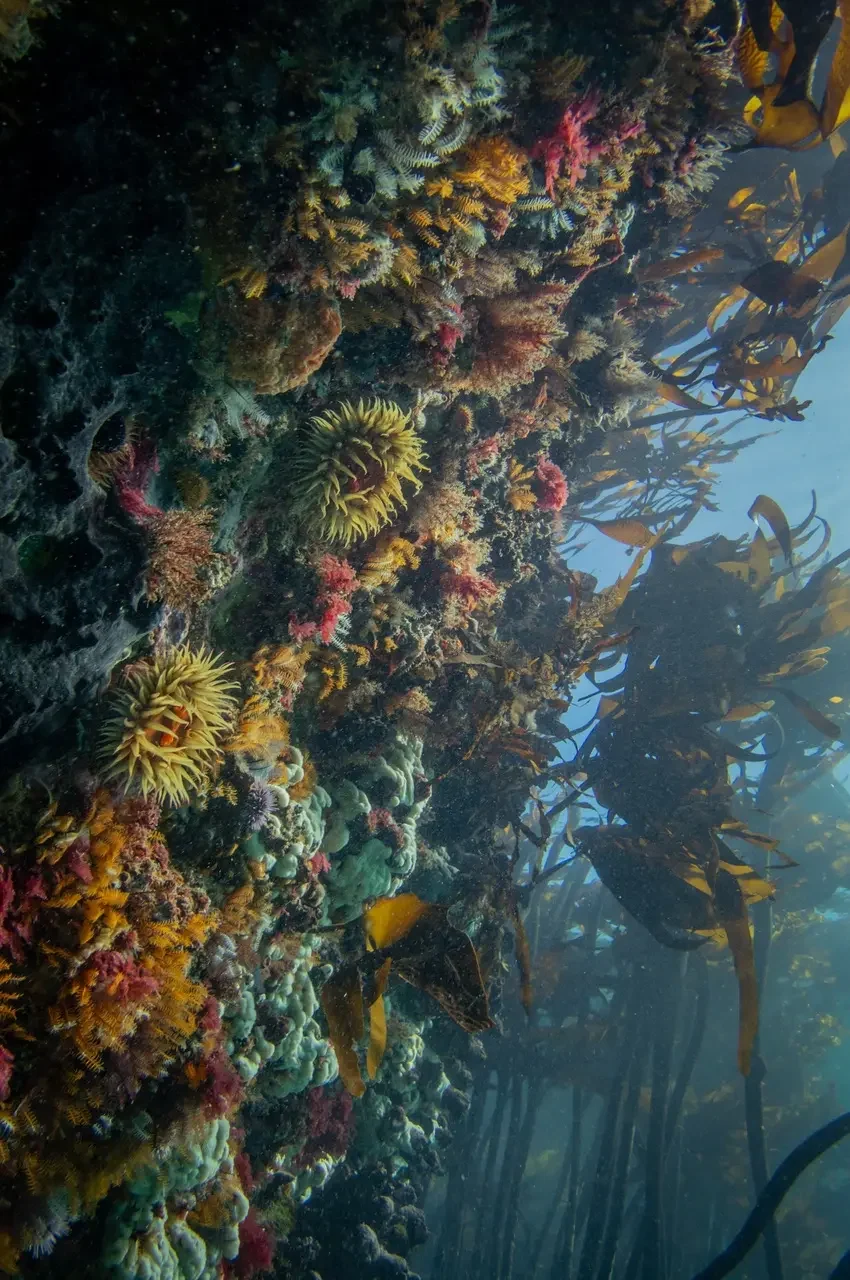
Figure 8.1. Kelp forest habitats and the 1001 Seaforest Species platform.
8.2 Ocean literacy in action: lessons from the Great Southern Reef
Prue Francis, Catia Jose Abreu de Freitas, Stefan Andrews
A decade ago, the Great Southern Reef was hiding in plain sight. Stretching more than 8,000 km along southern Australia, it supported distinctive species, communities, and economies, yet had little public identity of its own. Naming the reef in 2015 gave people a shared way to recognise, discuss, and care about it.
Since then, its profile has grown through a deliberately varied mix of education, storytelling, and public engagement. Scientists, teachers, artists, filmmakers, community groups, and organisations such as the Great Southern Reef Foundation have each helped tell the reef’s story in different ways. Direct references to the Great Southern Reef in online and print media rose from 34 stories in 2020 to 207 in 2025, alongside around 90 broadcast mentions in 2025. Federal research funding also increased from approximately A$4 million in 2010–2015 to more than A$8 million in 2022–2026.
The documentary White Rock illustrates how these efforts can reinforce one another. The film brought the story of kelp loss and long-spined sea urchins to a broad audience, while curriculum-linked resources helped teachers take that story into classrooms. Art exhibitions, podcasts, community events, television, radio, and print media extended the conversation beyond formal education.
The strongest results may be the simplest. After participating in a place-based ocean education programme, students from coastlines along the Great Southern Reef moved from drawing mostly tropical marine animals to depicting kelp forests and local invertebrates. Teachers also reported greater confidence in teaching ocean topics and connecting them across subjects.
The Great Southern Reef did not become visible through one campaign or one organisation. Its growing recognition came from many people repeating, adapting, and localising the story over time. The lesson is that ocean literacy works best when it feels relevant to people’s own coastlines, identities, and experiences—and when education, media, art, and community engagement are treated as connected parts of conservation rather than optional extras.
8.3 Forests Without Names: Why naming kelp forests matters
Claudia Santori, Amanda Schadeberg, Chanelle Webster, Adriana Vergés
What does your name tell others about who you are? For many places, a name conjures a living image: the Amazon Rainforest, the Nile River, or Mount Fuji. Already, you can place them on a map, see their colours, and imagine the life they sustain.
Kelp forests are not so lucky.
All along the Great Southern Reef2 of Australia, kelp forests have been cared for and used by Aboriginal peoples for tens of thousands of years, yet they remain unnamed, or their names may have been lost through colonisation and displacement. Without a name, kelp forests can be harder to identify or form a relationship with. Before we can ask people to care for a place, it might help if we can first introduce them to it.
The Forests Without Names3 project is an international collaboration between Hyundai and the Kelp Forest Alliance. Operation Crayweed,4 which runs the programme in Australia, invited local communities to name two kelp forests at South Coogee and Freshwater in Sydney, Australia. We hosted workshops where swimmers, surfers, divers, residents, scientists, and Aboriginal community members came together to learn about crayweed restoration, share their relationships with the coastline, and create a list of potential names. After consultation with local Aboriginal authorities to ensure the linguistic accuracy of the names that included Indigenous words, we put the two community shortlists to a public vote.
More than 1,800 votes were cast.
At South Coogee, the community selected Yanggaa Kelp Forest, using the Dharawal word for the crayfish that make their homes in the kelp forest.
At Freshwater, the community chose Kadjung Kelp Forest, with kadjung meaning freshwater in Gomberee, a local Aboriginal language.
With formal approval from the Geographical Names Board5 of New South Wales, these could become the first officially named kelp forests in Australia.
Research suggests that names can carry ecological knowledge and cultural memory, and that cultural recognition of places can be associated with their conservation.6 That both communities chose Aboriginal-language names was meaningful, respecting the ongoing caring relationships between Indigenous peoples, language, and the environment.
The idea is catching on. Forests Without Names has named kelp forests in Argentina and Korea, and a third community workshop is planned for Sydney. Naming is an invitation to both notice and care, and Yanggaa and Kadjung Kelp Forests are one step closer to being on the map for communities and conservation.
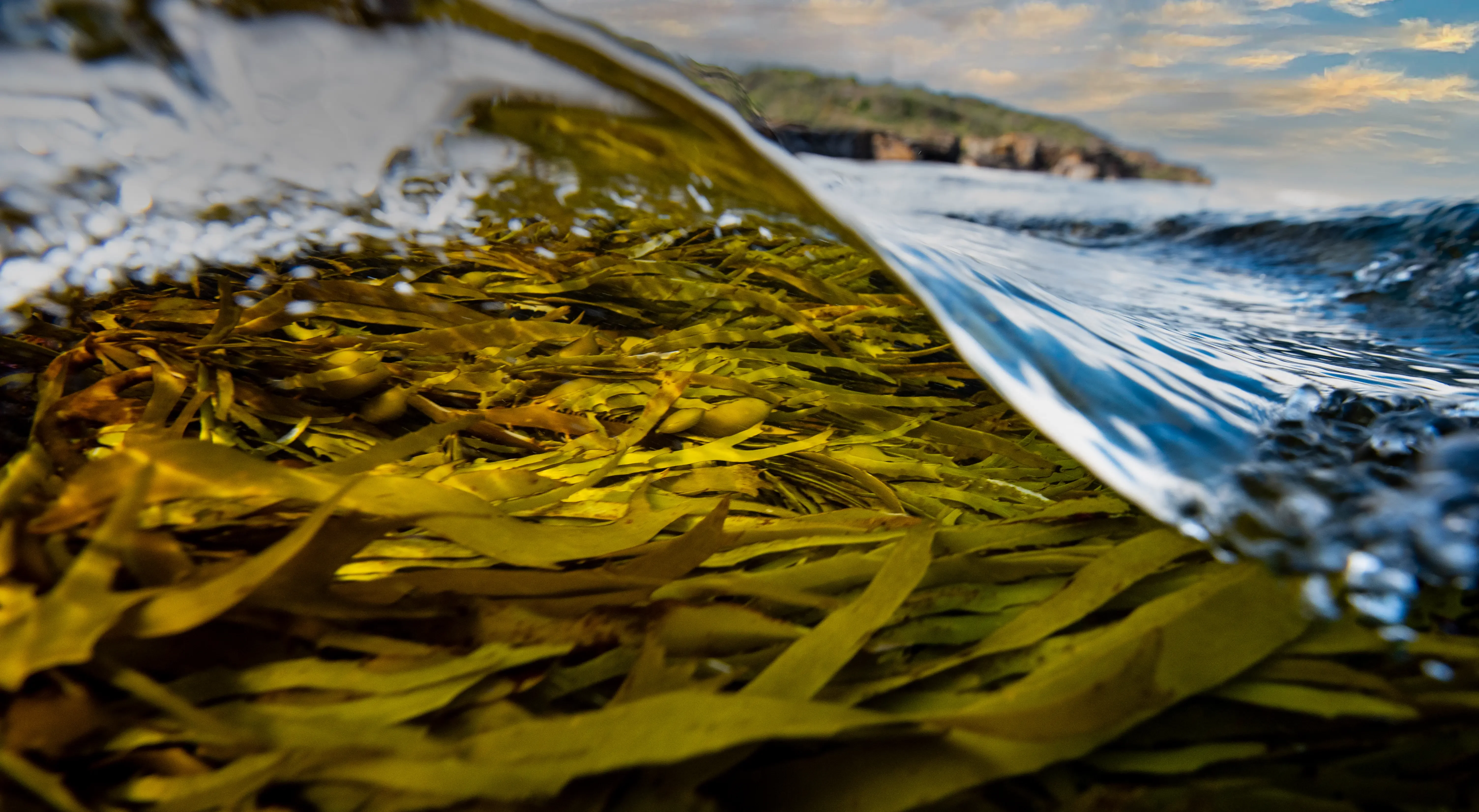
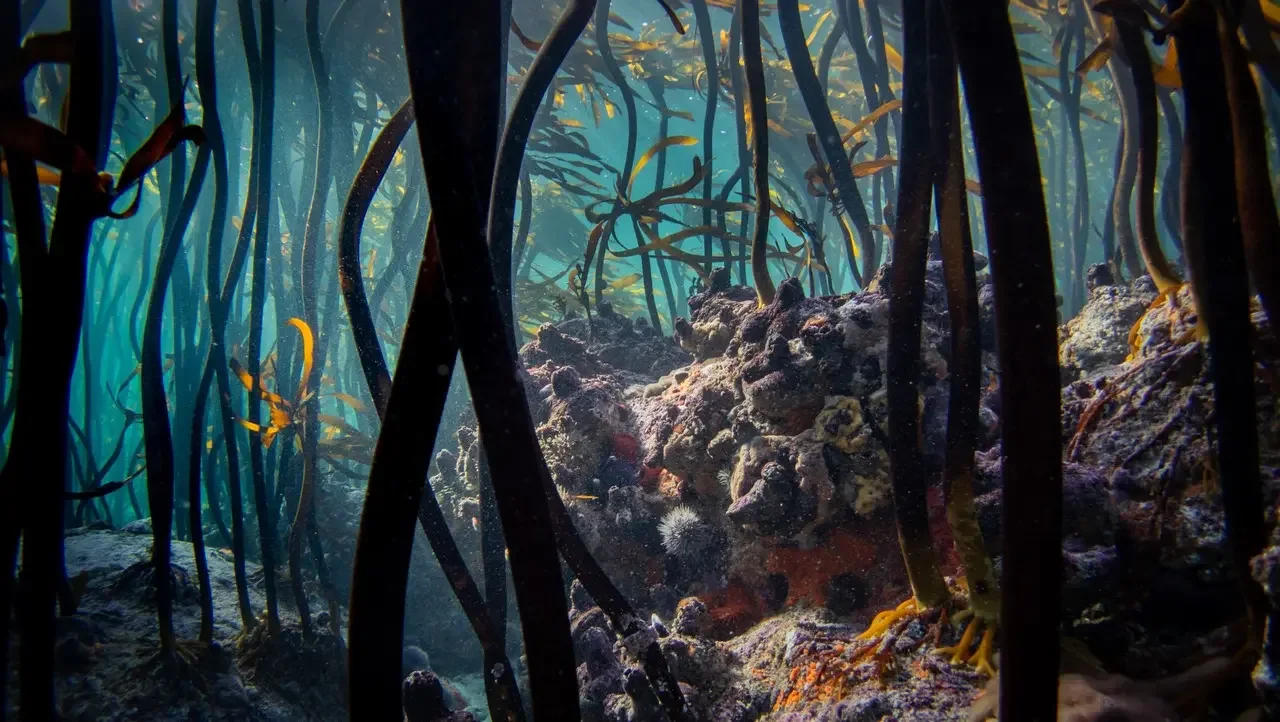
Figure 8.2. A restored crayweed (Phyllospora comosa) forest in Sydney’s eastern suburbs. Photo: Tom Burd.
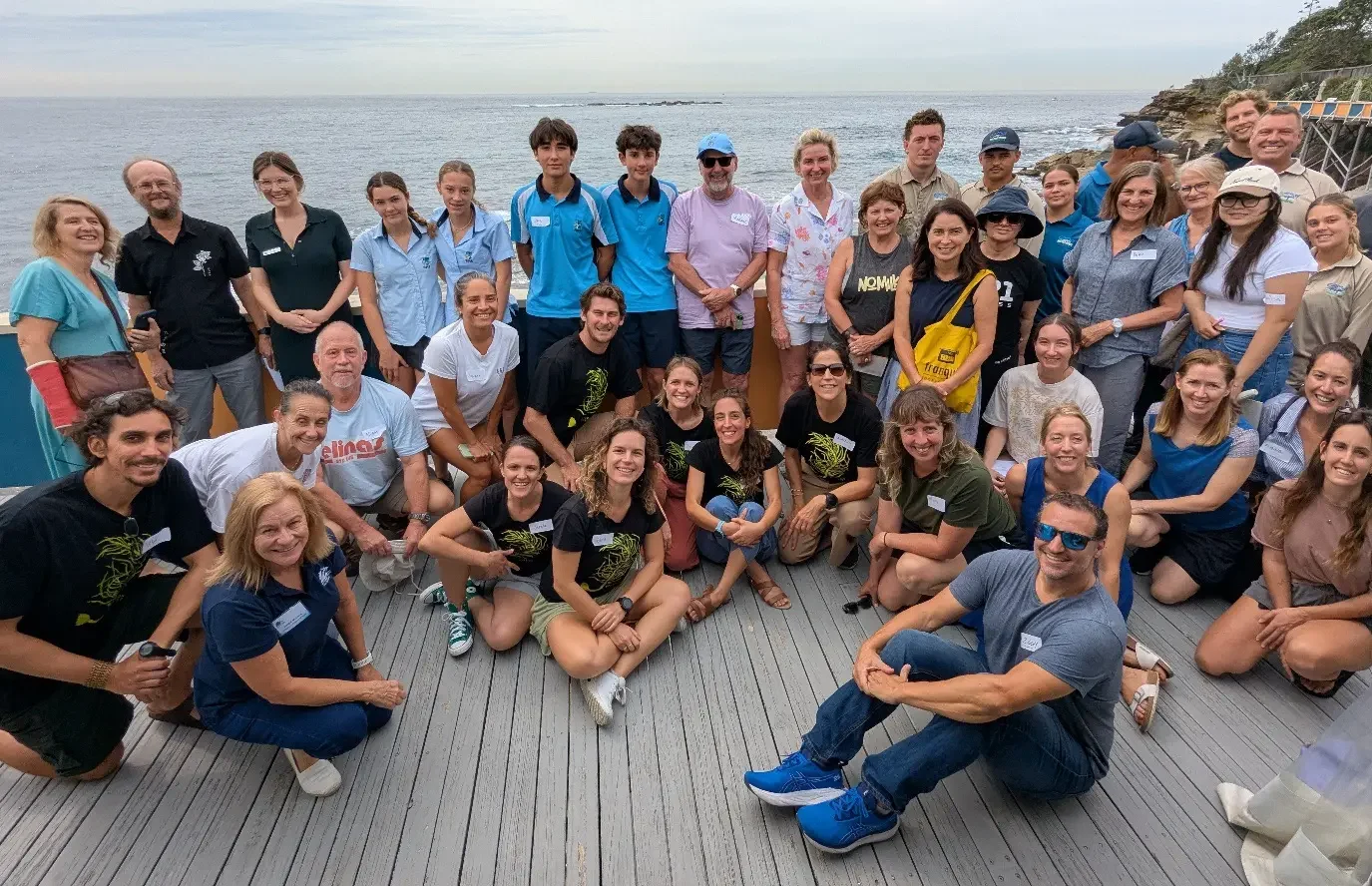
Figure 8.3. Attendees at the South Coogee workshop, which resulted in the naming of Yanggaa Kelp Forest.
8.4 Storytelling and the mysterious world of bull kelp
Josie Iselin, Marianne Leuschel – Attached PDF

8.5 Developing a network of kelp forest ecosystem monitoring programmes
Dillon Dolinar and Rodrigo Beas-Luna
“Observations provide the logical starting position from which to begin to propose explanations or theories.”7
Our understanding of kelp forests and the communities that they harbour has benefited immensely from the establishment and maintenance of long-term ecological and environmental monitoring programmes. These investments have captured and described profound ecological crises8 identified why systems collapsed or shifted9 and linked policy decisions to ecological and social outcomes.10 While these programmes can generate large amounts of useful information, that value cannot be fully realised if people are unable to locate, share, and use their data.
We are developing a tool that will enhance data sharing, collaboration, and understanding across kelp forest monitoring programmes around the world. This work will provide a centralised repository illustrating where long-term monitoring is occurring along rocky reefs and kelp forests, and equally importantly, where monitoring gaps remain.
The publicly available web platform will host information on the location, years surveyed, survey frequency, and methods used by long-term monitoring programmes. Importantly, the platform will also guide users on how to access the data and will help reduce the duplication of monitoring efforts at the same location.
One of the most exciting elements of this work is that it will help combat “shifting baseline syndrome”, whereby younger observers see a degraded state and assume it is natural. By increasing access to data documenting how things once were, the programme can help guide decisions about what restoration outcomes should look like, or how much damage has been done to an ecosystem. The project will also enhance data sharing and help facilitate regional monitoring programmes and guide management and research in these systems.
The platform will be hosted on the Kelp Forest Alliance website and open to all. We expect a regional launch in early 2027 and global expansion by 2028. We invite researchers and monitoring organisations interested in collaborating on this project to reach out.