
Key takeaways
Kelp forests provide a wide range of economic and cultural services to over 950 million people around the world.
The potential economic value of ecosystem services in kelp forests is over US$500 billion per year.
Kelp forest fisheries (lobster, abalone, fish) generate tens of millions to billions for national economies each year.
Nearly 600,000 tonnes of wild kelp are harvested each year.
Kelp forests are estimated to sequester approximately 32 million tonnes of CO2 annually.
2.2 Services provided by kelp forests
Kelp forests, like all ecosystems, provide multiple benefits to people.
They support biodiversity and fisheries, contribute to cultural connections and recreation, provide opportunities for wild harvest, and may help capture and store carbon, remove nutrient pollution, or reduce coastal exposure in some locations. But these benefits are not equally strong or equally widespread.
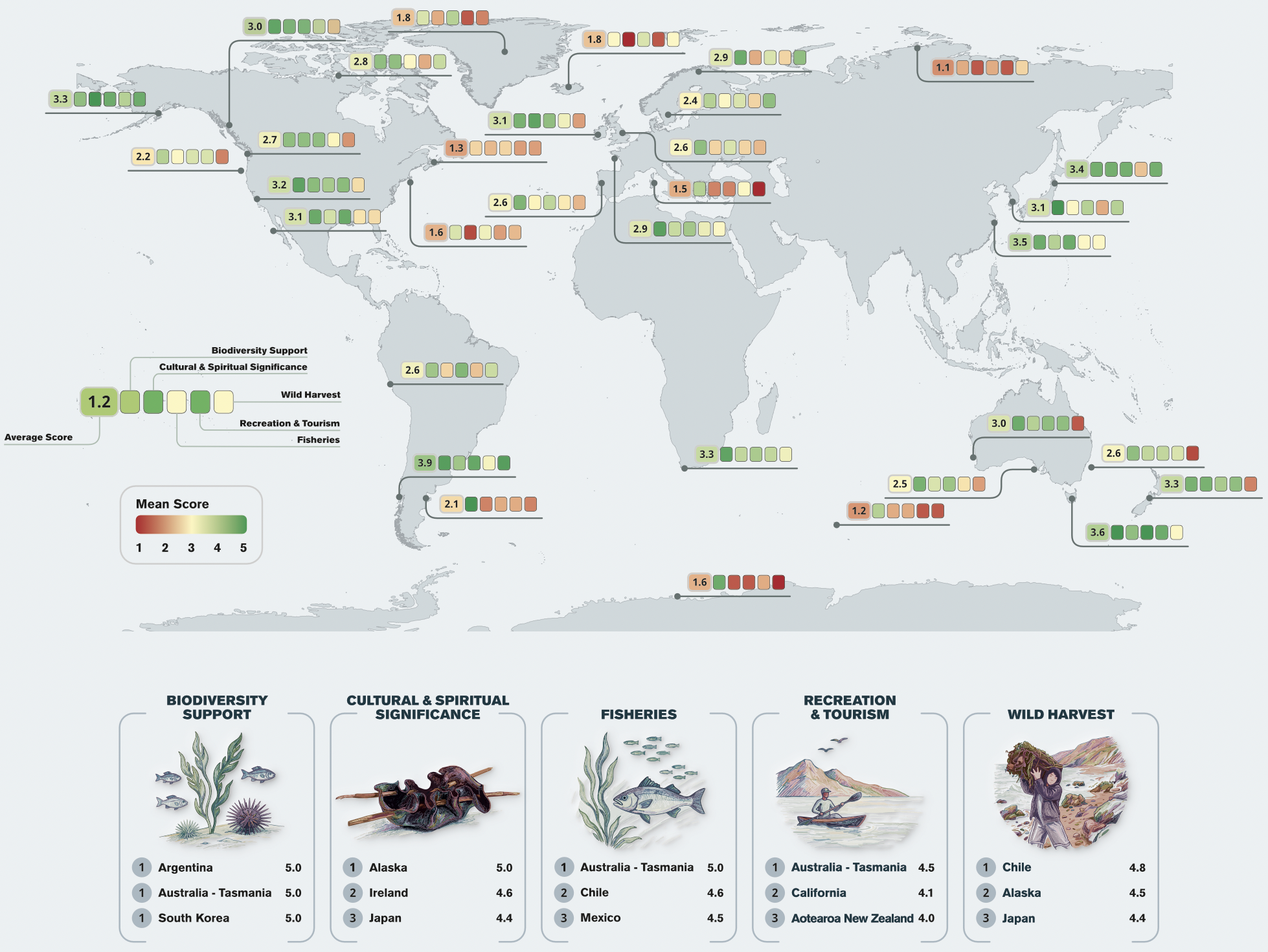
Figure 2.1. Expert assessments of the benefits provided by kelp forests. Summary scores and regional patterns illustrate variation in the benefits recognised by respondents. See Section 9.1 for the survey methods.
Across our global expert assessment (see Section 9.1), biodiversity support and contributions to fisheries were the most consistently recognised benefits of kelp forests. Other benefits were important in specific regions, but varied more depending on local ecology, culture, livelihoods, and the available evidence. Kelp forests should therefore not be valued through a single benefit alone. Their importance comes from the combination of benefits they provide.
2.3 Economic value of kelp forests
The economic value of kelp forests is impressive. The three major market services provided by kelp forests (coastal fisheries, nutrient cycling, and carbon removal) have been estimated to generate more than US$500 billion in potential value each year.1 Estimates also vary according to the methods, assumptions, and definitions applied. They should therefore be interpreted as indicators of potential value rather than as realised revenue. Economic valuation helps communicate the scale of kelp forests’ contribution to people and economies, but it captures only part of their importance. Cultural relationships, biodiversity, identity, recreation, and many other non-market benefits are difficult to express in monetary terms.
2.4 Wild harvest
Kelp forests have supplied food, fertiliser, medicines, and materials to coastal communities for thousands of years. Here, wild harvest refers to kelp collected directly from naturally occurring populations, rather than kelp cultivated through aquaculture.
Across 14 countries, an estimated 600,000 tonnes of wild kelp are harvested each year. Over the most recent five-year reporting period, Chile recorded more than one million tonnes of wild harvest. Norway, Japan, France, and Peru reported approximately 762,001 tonnes, 204,359 tonnes, 273,176 tonnes, and 198,896 tonnes, respectively (Figure 2.2).2
Wild harvest can support livelihoods, local economies, and culturally important practices. Its ecological effects, however, depend on the species harvested, the methods used, the intensity and frequency of removal, and the effectiveness of local management. Well-designed harvest regulations can allow continued use while maintaining the ecological structure and productivity of kelp forests.
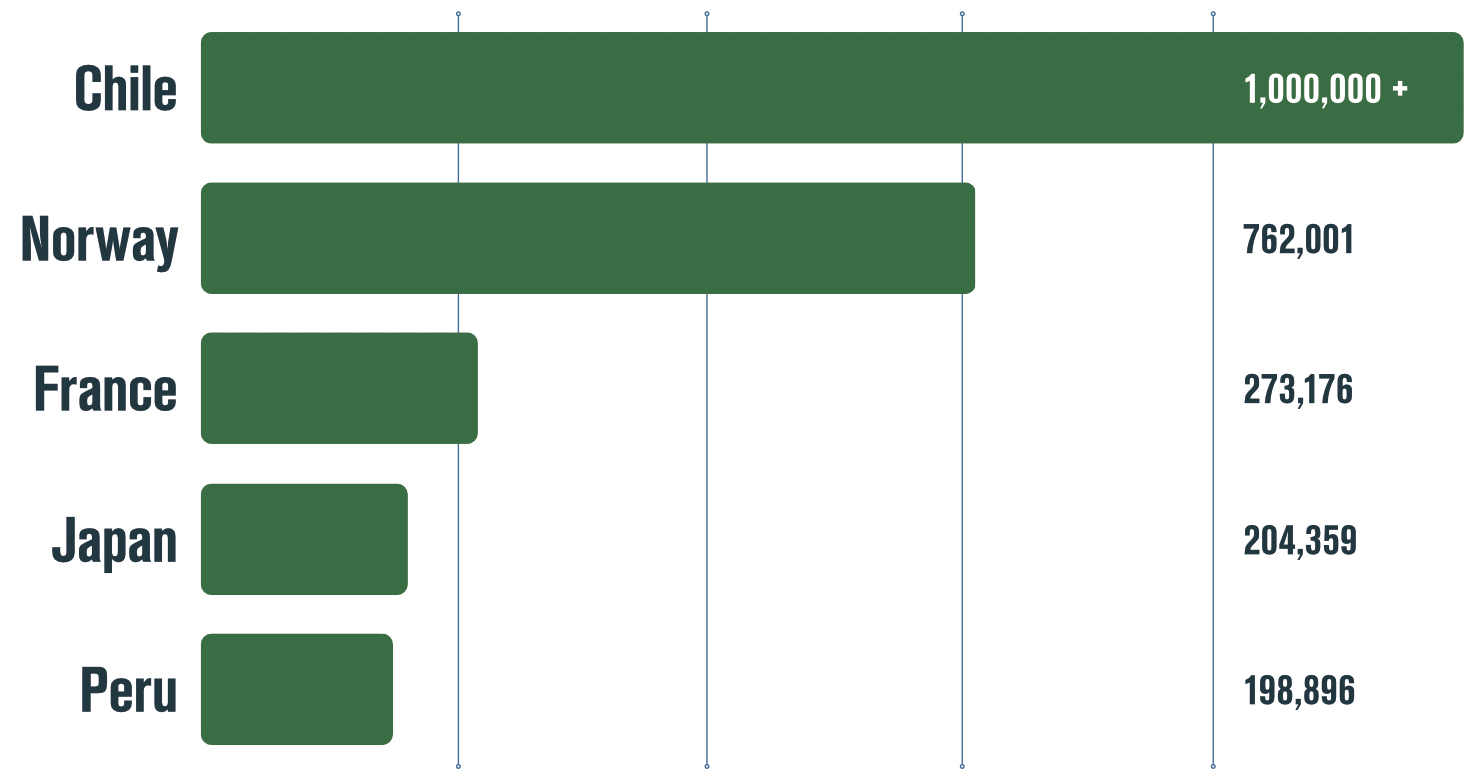
Figure 2.2. Wild kelp harvest in selected countries. Bars show cumulative reported harvest, in tonnes, over the five-year period described in the text.
2.5 Fisheries
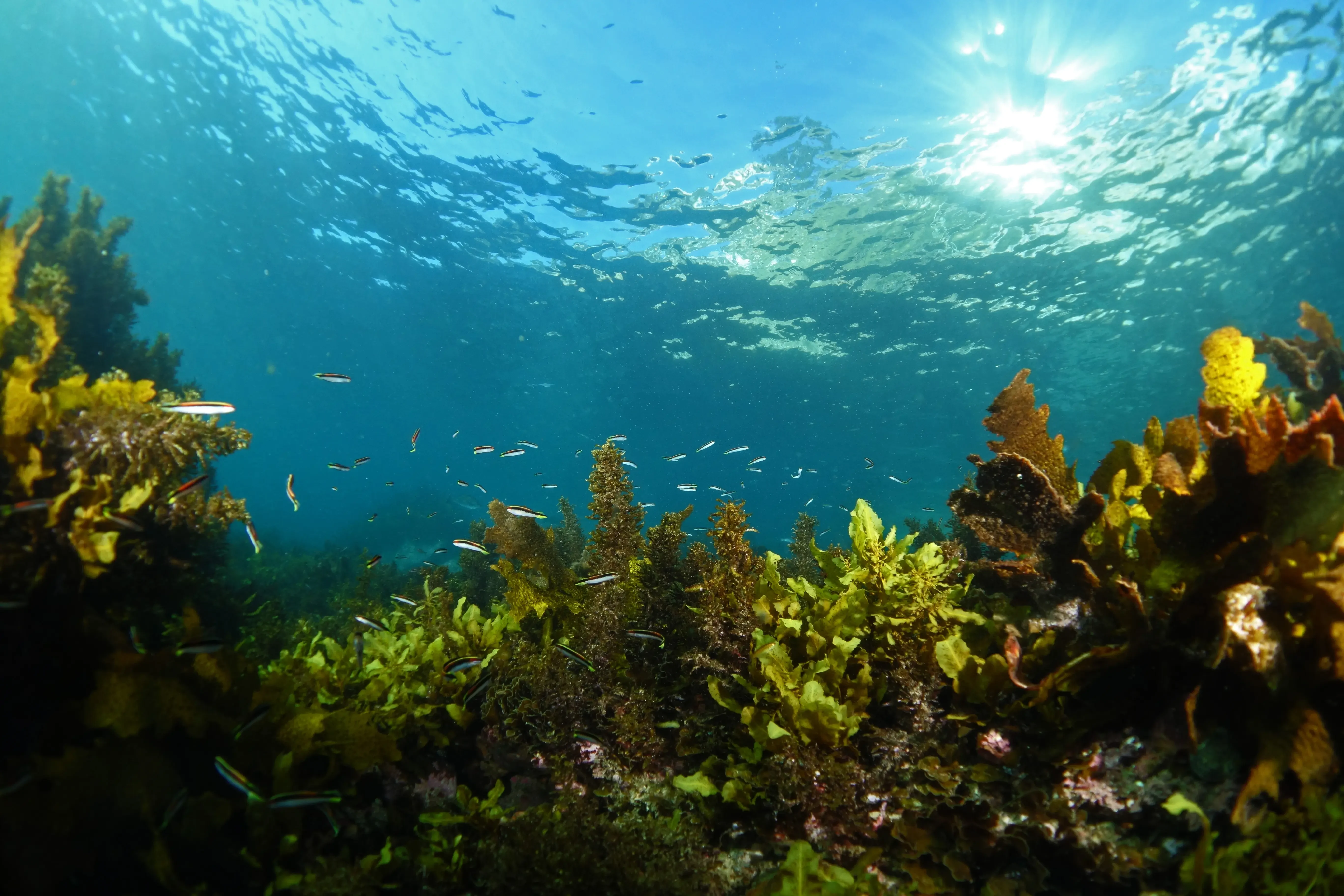
Kelp forests are also critical habitats for many commercially and culturally important species, including abalone, lobsters, and fish. It has been estimated that each hectare of kelp supports an average of 904 kg of harvested fish and seafood annually.1
Lobster and abalone fisheries are particularly important in kelp forest ecosystems. In Australia, annual catches of approximately 10,770 tonnes of rock lobster and 1,965 tonnes of abalone generate an estimated US$396 million.3 Kelp-associated fisheries are also important elsewhere. At least nine fisheries have been linked to kelp forests in the United States.4 In the United Kingdom, seven fisheries are associated with kelp habitat,5 including a European lobster fishery valued at approximately US$65 million annually.6 Approximately 2,945 tonnes of abalone7 and rock lobster8 are captured and cultured annually in South Africa, with an estimated economic value of US$57 million per year (2024). In total, 38 species with economic value linked to kelp forests are found in South Africa.5
In Spain, 32 harvested species occur in kelp forest areas and generate approximately US$18 million in annual revenue,9 while in neighbouring Portugal, 44 harvested species had an economic value of $1.83 million.10
These figures demonstrate the importance of kelp habitat to coastal economies, but they do not represent the total value of kelp-associated fisheries. Estimates differ in geographic coverage, methodology, and the strength of the ecological link established between individual fisheries and kelp forests.
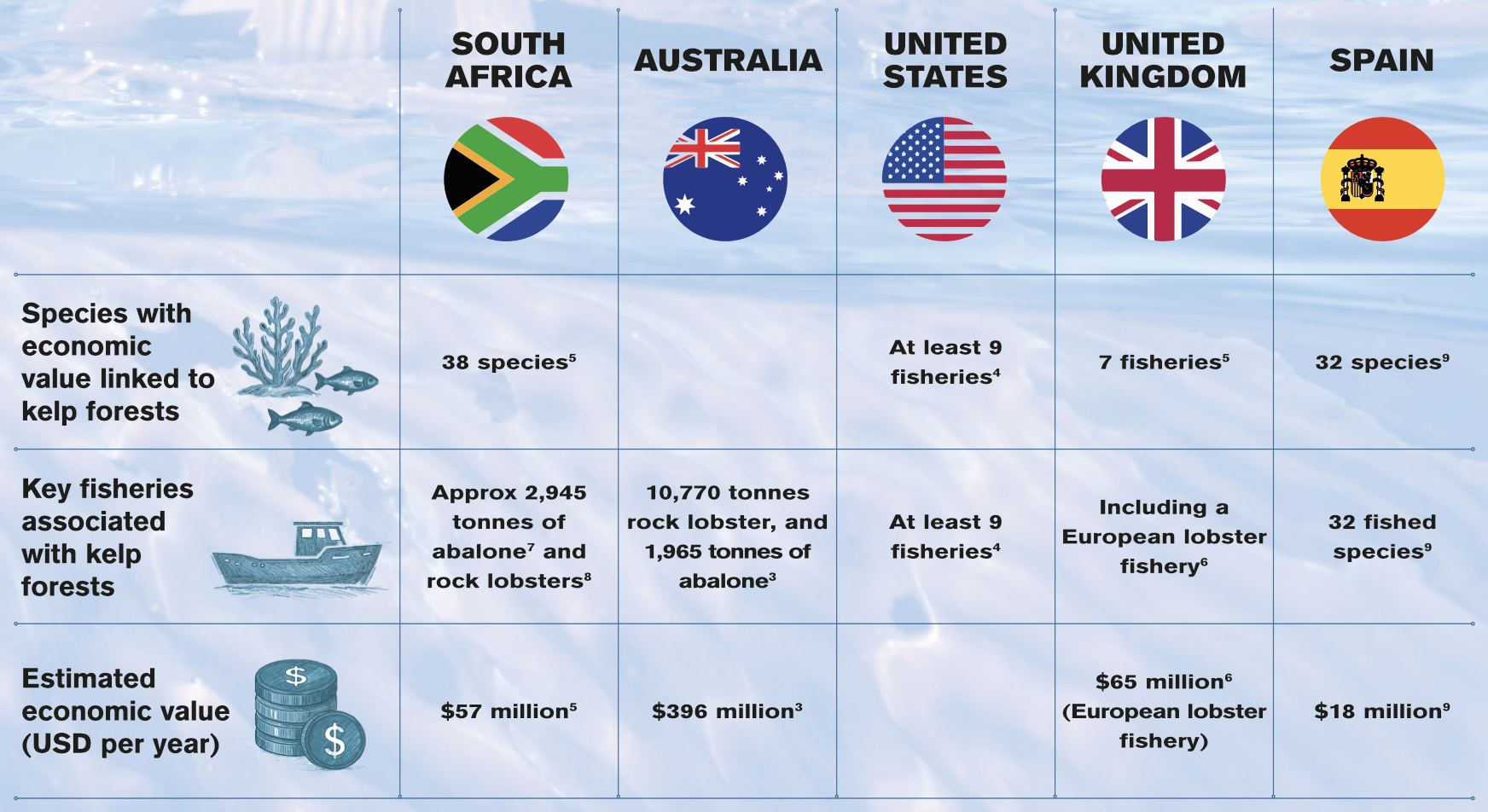
Figure 2.3. Examples of kelp-associated fisheries and their economic value. The comparison summarises selected species, fisheries, harvest quantities, and annual values reported in the accompanying text.
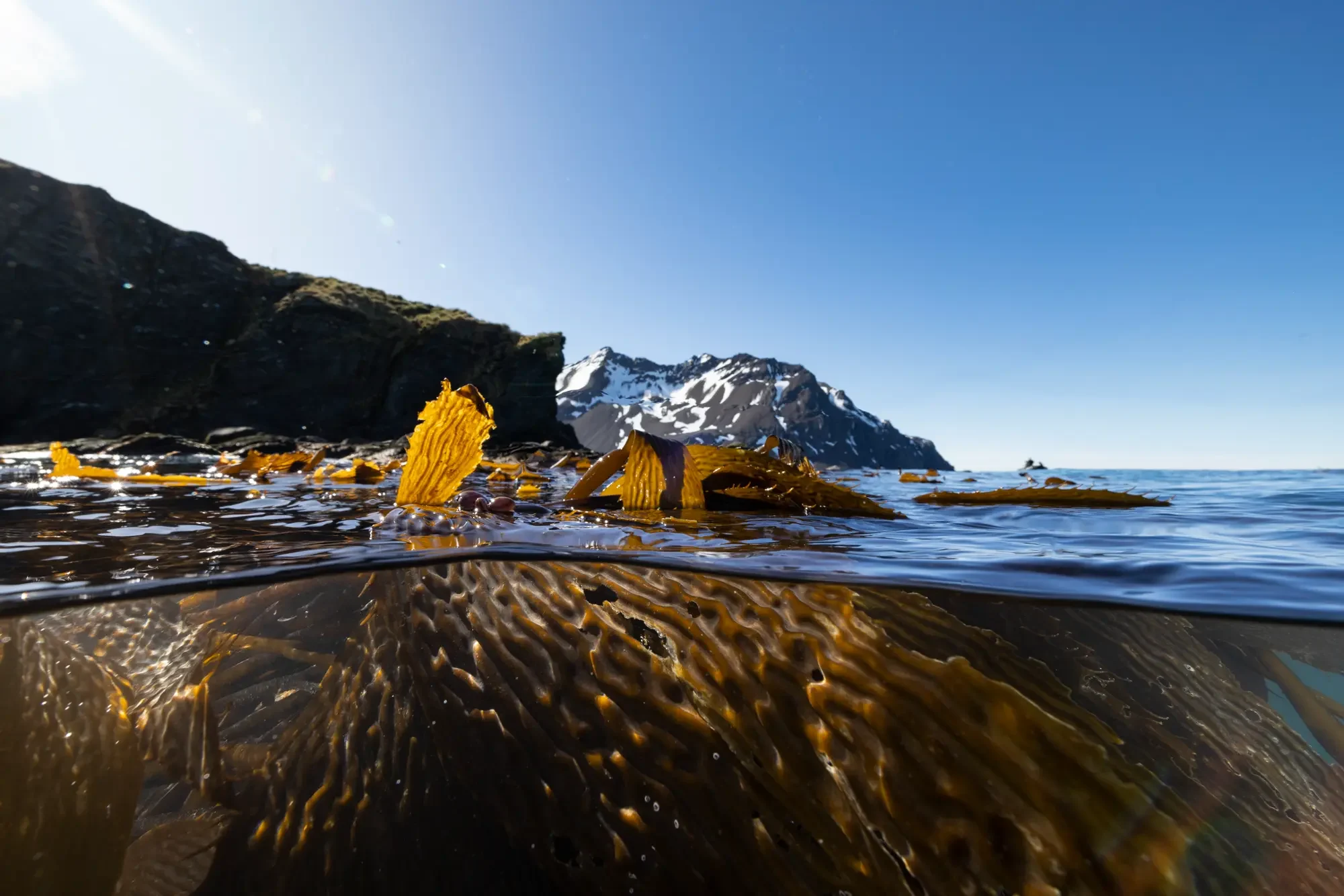
Kelp-associated fisheries: an estimated 904 kg of fish and seafood harvested per hectare of kelp forest each year.1
2.6 Kelp and carbon capture
Kelps have high carbon-fixation rates and an extensive distribution, and are increasingly being viewed as a tool for carbon dioxide removal to help mitigate climate change. Kelp forests were recently shown to transfer significant quantities of carbon to the deep ocean, where it can remain stored for more than 100 years. These estimates suggest that a square metre of kelp forest may sequester between 5 and 30 grams of carbon in the deep ocean every year.11 Globally, kelp forests are thought to sequester 8.6 million tonnes (range: 2.6–14.7 million tonnes) of carbon every year (32 million tonnes of CO2) in the deep ocean, with forests in Australia, the USA, New Zealand, Chile, and Peru having the greatest sequestration potential. These estimates show that it is feasible, although technically complex, to link management actions such as protection and restoration to specific amounts of CO2 sequestered from the atmosphere. If done correctly, these methods can provide the basis for carbon credits in kelp forest ecosystems. It is important to stress that preventing the loss of kelp forests is the most cost-effective strategy to avoid losing their carbon removal capacity, as well as safeguarding the numerous other benefits they provide.12
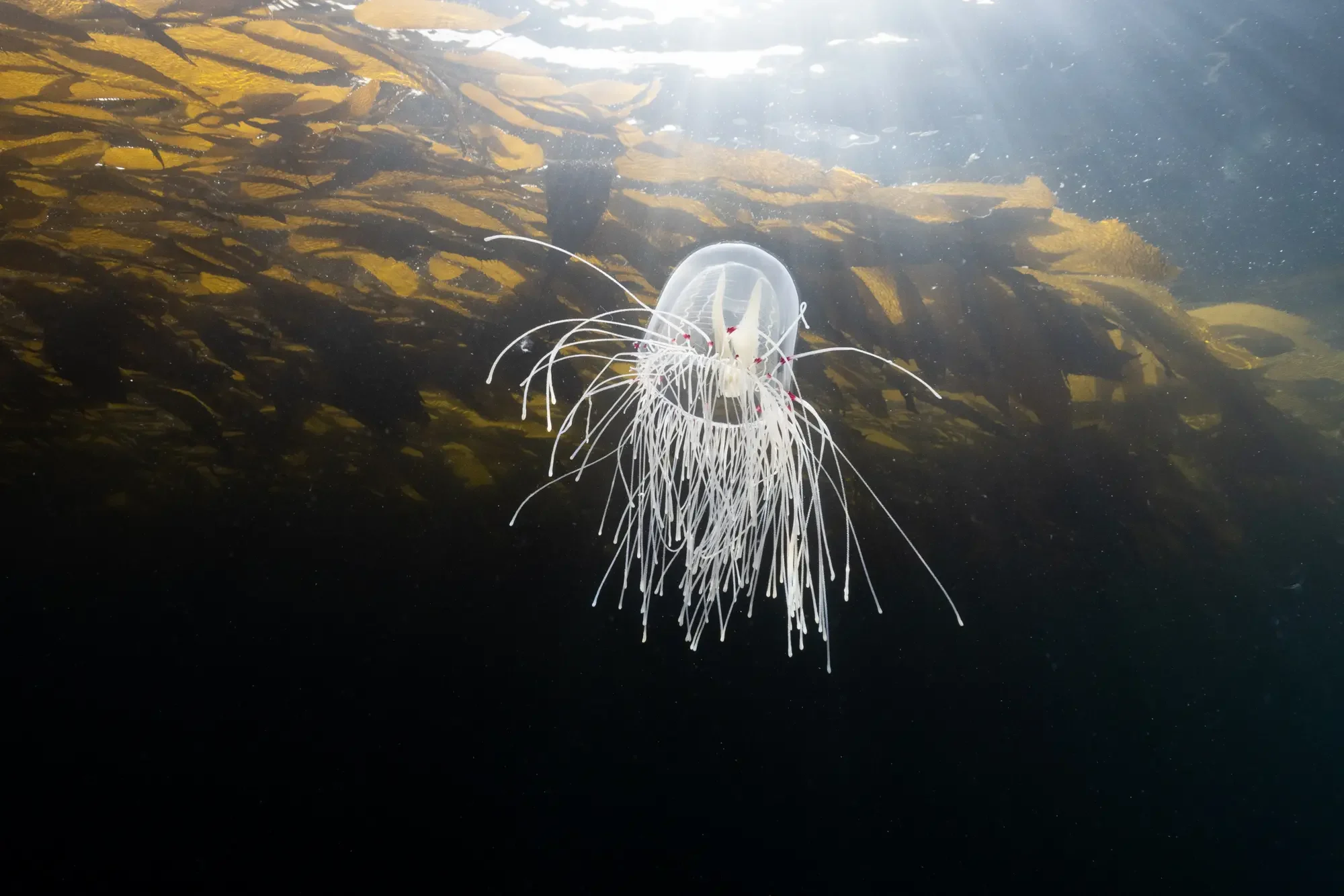
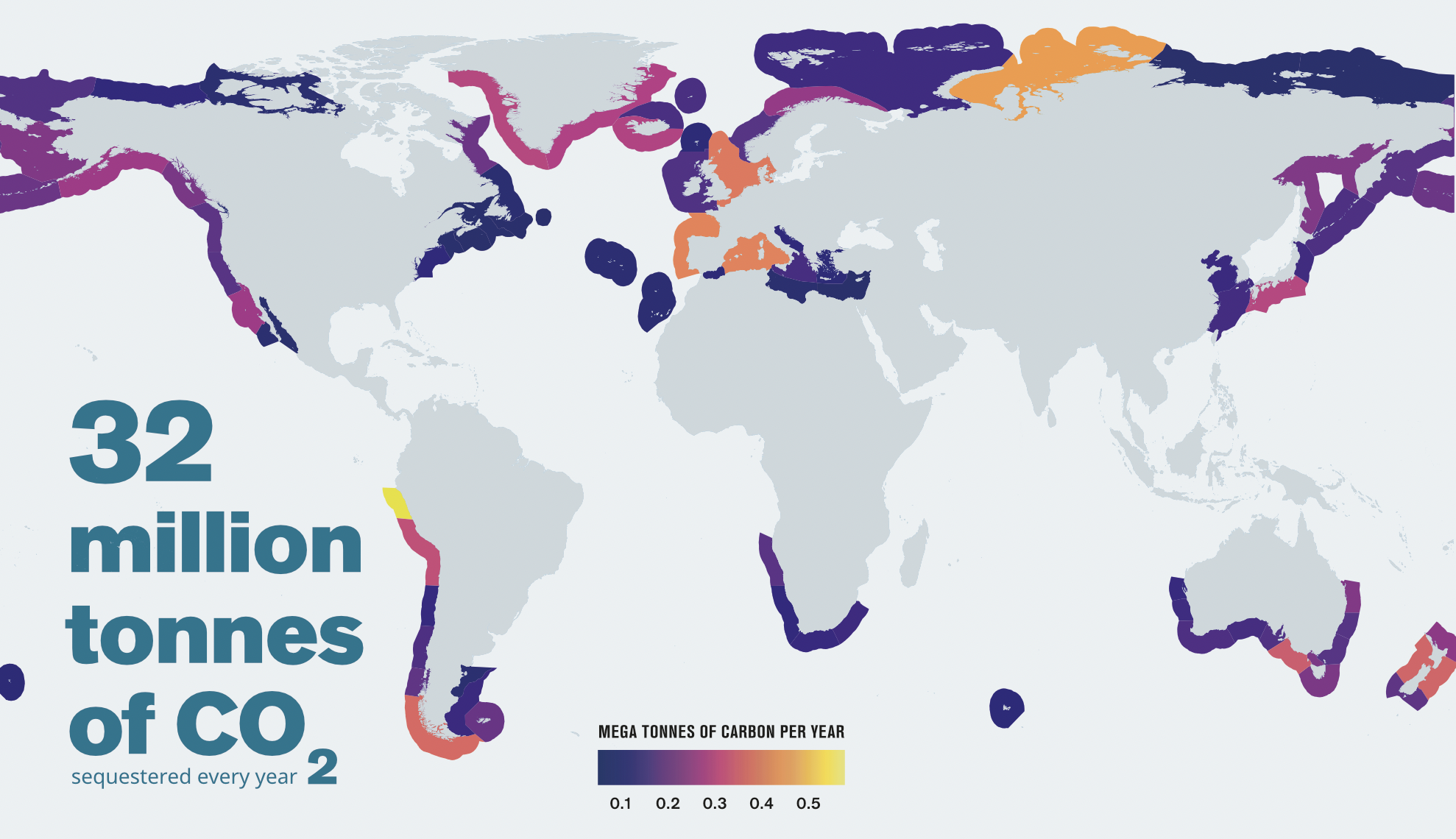
Figure 2.4 Map of carbon sequestration potential.