Forewords
Julianna Sullivan – Port Gamble S’Kallam Tribe
yaʔyáʔnəŋ̕ u cxʷ?
(Are you listening?)
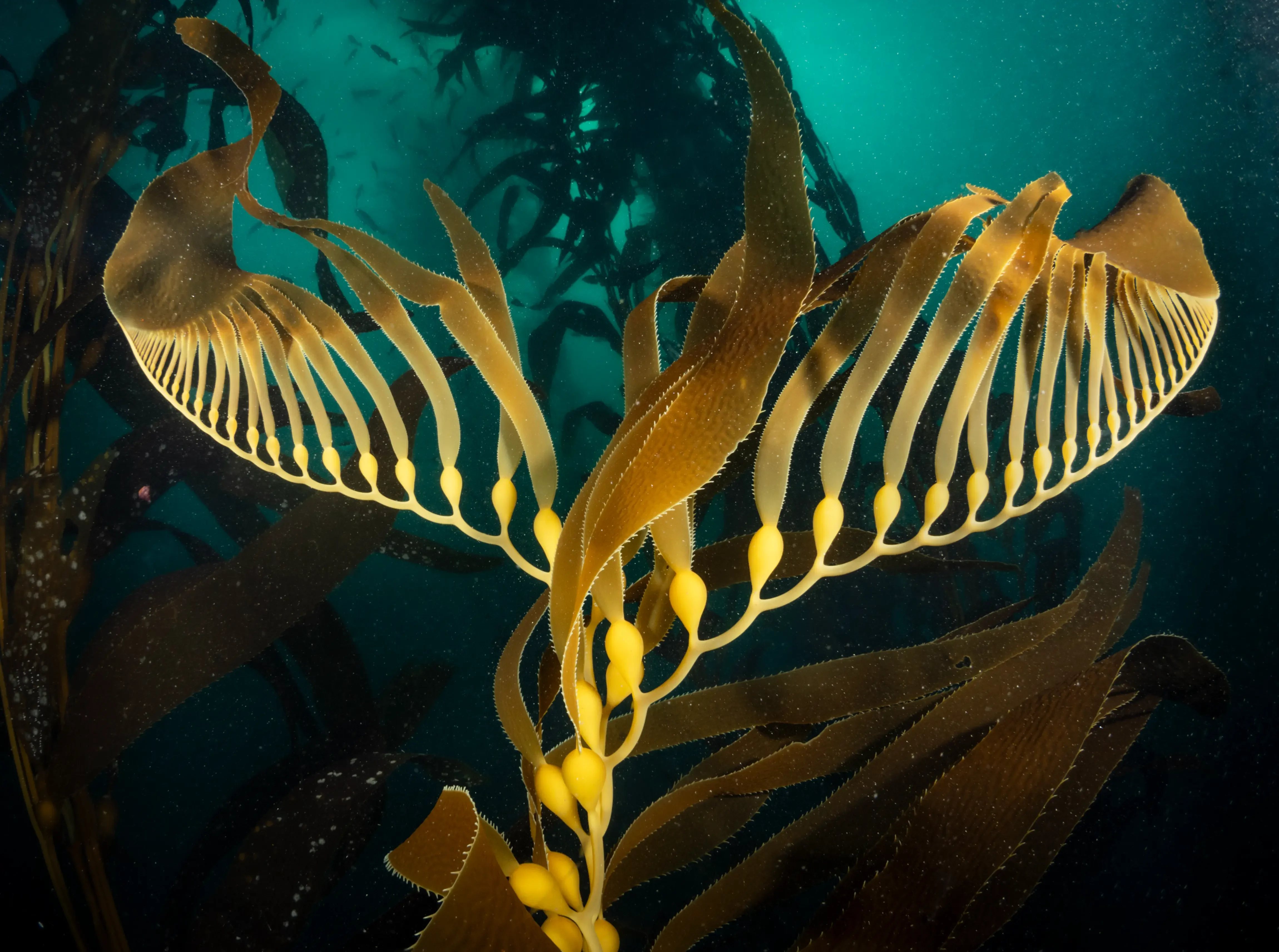
Some of my earliest memories are sitting cross-legged on the floor of my preschool classroom, quietly watching as the grandmothers sang us our songs. In their hands was a rattle made from bull kelp, its rhythm carrying our language, our teachings, and the voices of those who came before us. Though we were taught to listen with respect and intention, there was something about the sound of the kelp rattle and the grandmothers' voices that drew us in. Even as young children, we knew those moments held something sacred.
Years later, kelp would carry me far beyond my own shoreline.
Kelp introduced me to Indigenous relatives from coastlines I had never walked, whose languages I do not speak, yet whose hearts recognised something familiar in my own. Although our languages, traditions, and coastlines are beautifully distinct, something remarkable happened when we gathered. In every story, every laugh, every song, and every teaching, we found reflections of our own relationships with kelp. What once felt like isolated experiences became part of a much larger story—one that has been unfolding along coastlines around the world since time immemorial.
Each gathering felt like drawing water from a deep well. Every person arrived carrying teachings from their own homeland, entrusted to them by their ancestors and communities. As those teachings were shared with humility and received with gratitude, the well grew deeper and purer. No one left with less. Somehow, we all left carrying more.
Mi'kmaq Elder Albert Marshall's teaching of Etuaptmumk, or Two-Eyed Seeing, became a guiding light for our journey. One eye recognises the strengths of our Indigenous ways of knowing, the other the strengths of Western science. It is only with both eyes open that we can better understand our kelp forests and find ways to better care for the world around us.
As kelp forests face unprecedented challenges, this growing circle of Indigenous kelp stewards reminds us that we are not alone. Across oceans, we are reconnecting to share knowledge, strengthen one another, and remember what the tides have always known—that the ocean connects us all.
My hope is that this spirit ripples outward, inspiring us to approach this work with curiosity, humility, and relationships rooted in respect, reciprocity, and care for the living world.
w̕ yaʔyáʔnəŋ cn.
(Yes, I am listening.)
Craig Foster – Sea Change
I’m at the tip of Africa in the Great African Seaforest. I watch in awe. A female pyjama shark is attempting to attach one of her eggs to a kelp holdfast by rotating her body around and around to weave the egg case thread into the kelp. Then something happened that I could never have imagined. A male pyjama shark appeared and repeatedly placed his body as protection between the female and any threat. As far as I know, this kind of protective behaviour is unknown in sharks.
Once the egg case was safely attached, both sharks moved away. Now the tiny shark would feed on the yolk inside the egg for at least six months before hatching, vulnerable to predation from starfish and whelks. I stared at the newly laid egg and felt a deep vulnerability in myself, because something told me that the survival of this endangered species was woven into my own survival. We feel separate, but that’s not actually the case, as biodiversity health and human health are fundamentally linked.
Our future survival depends on our relationship with Mother Nature. Nurturing that relationship is the most important single thing we can do to support life and the coming lives of the next generation.
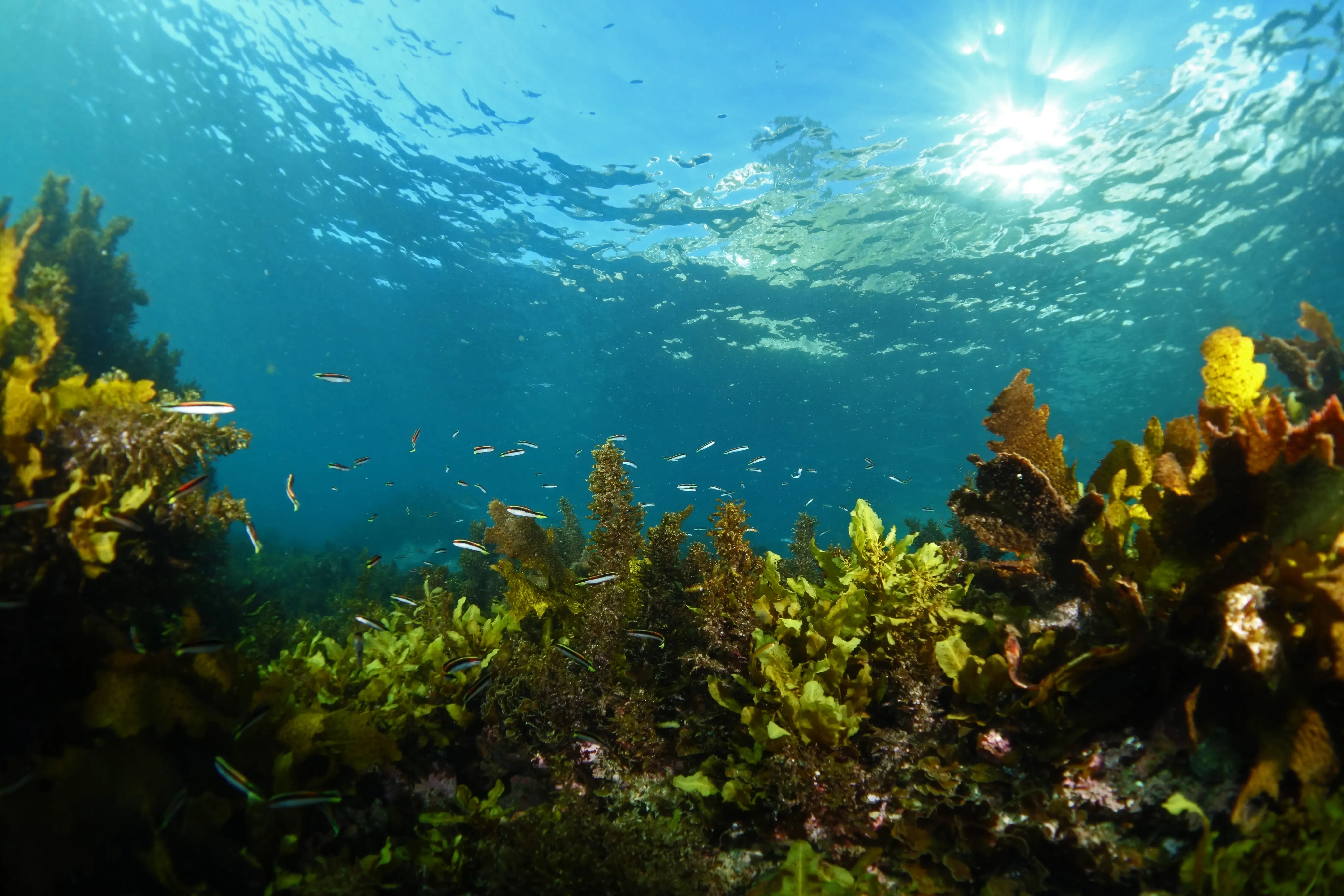
Kelp forests are places on Earth Mother’s body that have great wealth and density of species. They represent reservoirs of hope. They are amongst the most fragile and critical places to look after. Each act of caring and protection is an act of self-care. All our lives, animal and human, rest in her arms.