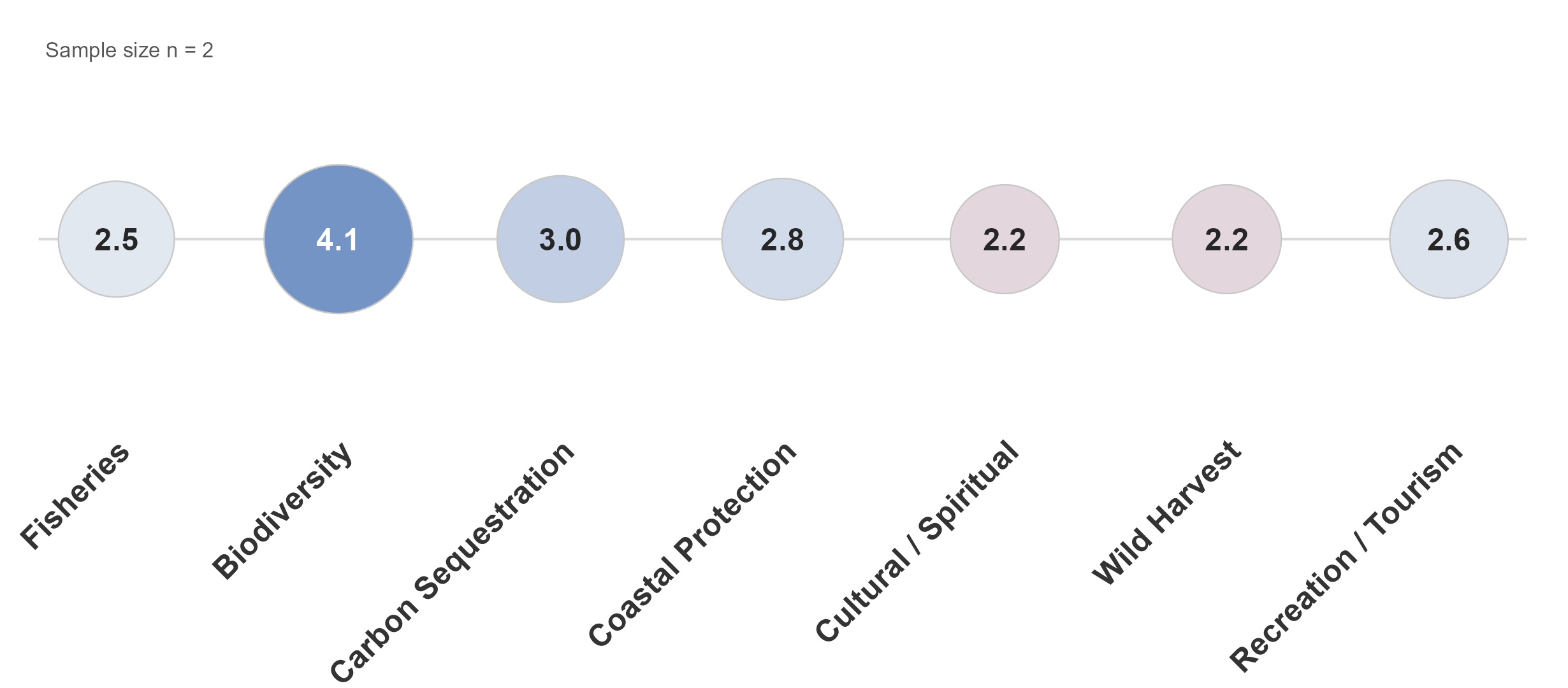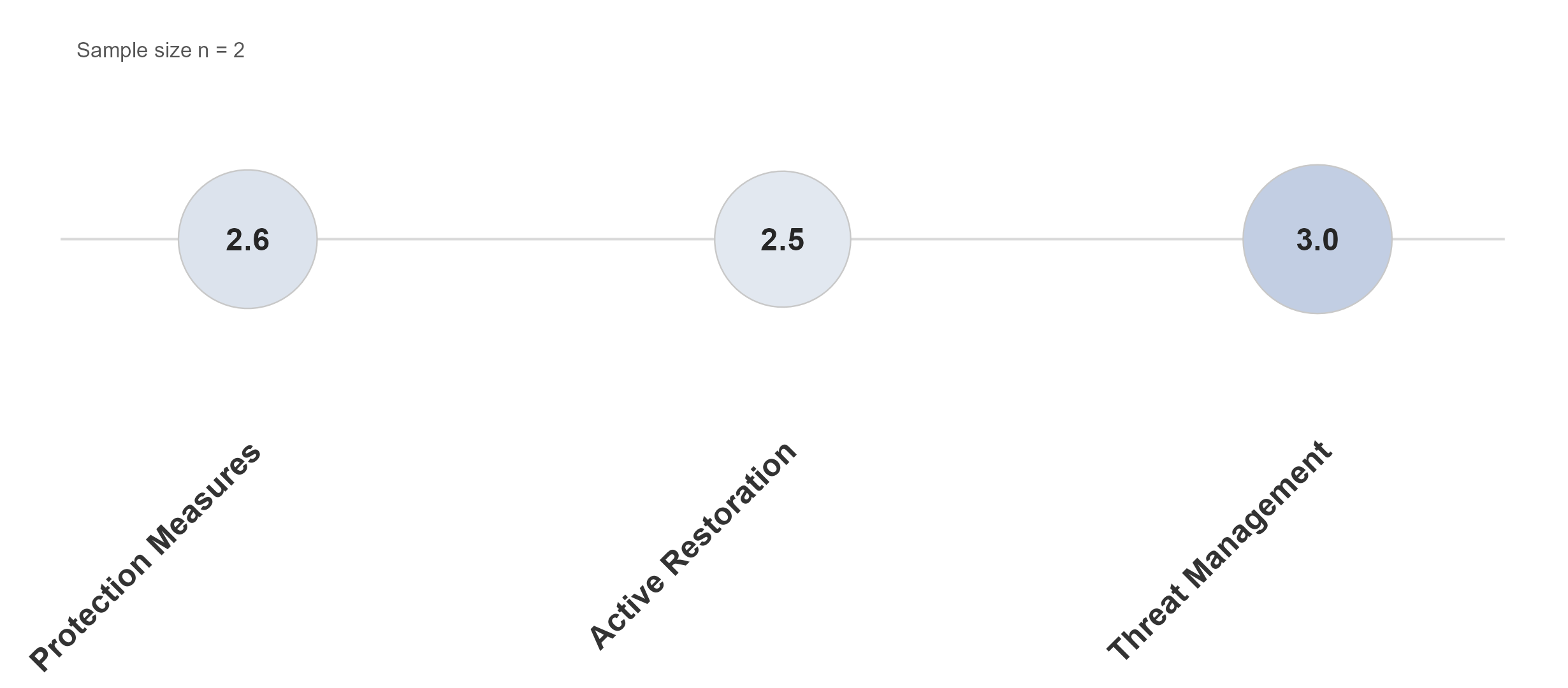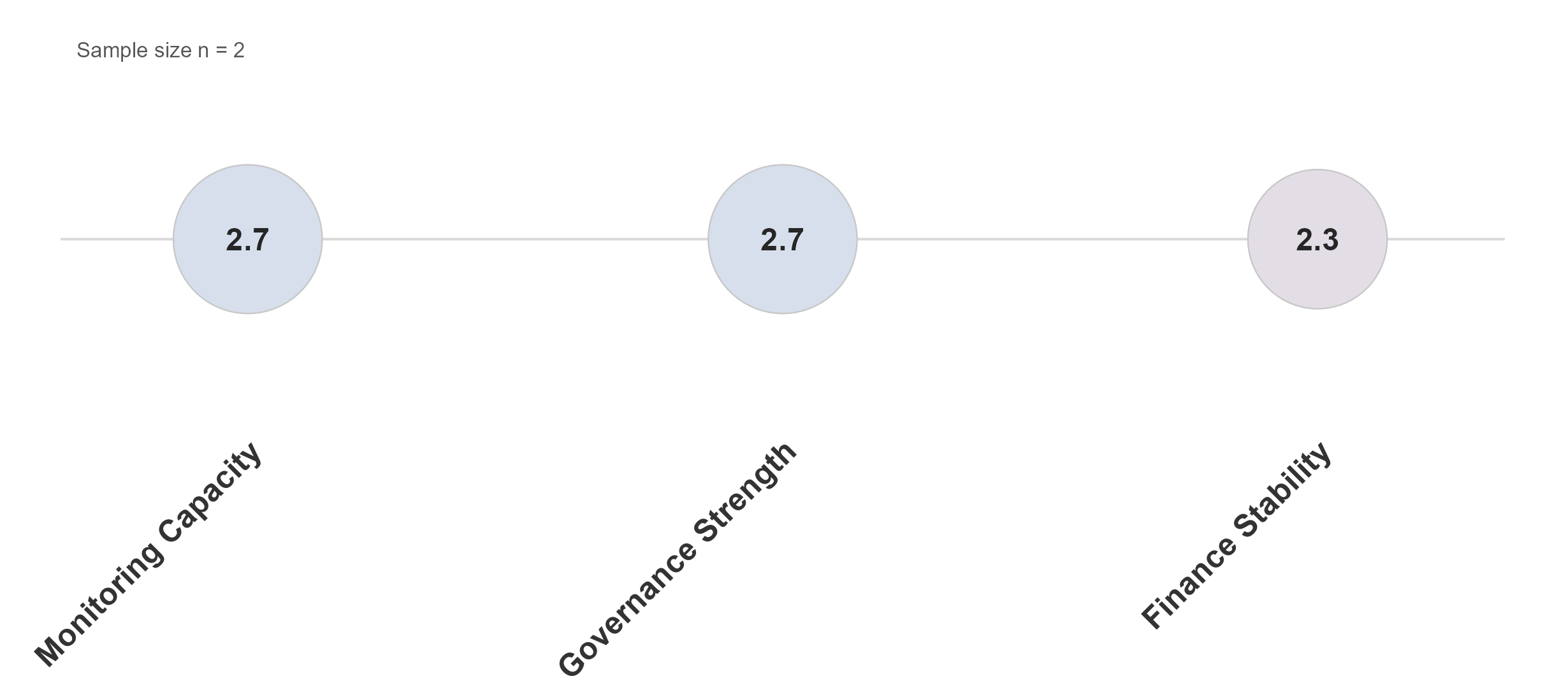
UK kelp is gaining policy attention. Extent is generally stable, but species are shifting toward warm-water types and invasive Undaria is increasing in some southern sites. The Sussex Kelp Recovery Project’s nearshore trawling ban aims to reduce seabed disturbance and allow natural recovery. National monitoring and data platforms are growing. Next is to embed kelp indicators in national marine frameworks, replicate effective disturbance limits, and use citizen science. Experimental restoration may be needed where recovery is slow.
View Metrics

People living within 50km of kelp forests:
47,593,881GDP(B) within 50KM of Kelp:
$1,626.44 billionOcean Warming Rate by 2100 (°C):
2.06 °CKM2 of Kelp:
97,013Key Species:

Laminaria hyperborea
Laminaria digitata

Saccharina latissima
While most UK kelp forests are considered relatively stable (Smale et al. 2025), national focus on kelp has increased, with milestones across conservation, policy, and public engagement (Blue Marine Foundation 2025). The Sussex Kelp Recovery Project (sussexkelp.org.uk) has become a national reference point, combining scientific guidance with community mobilisation to support recovery of kelp forests believed to have declined due to trawling disturbance, ocean warming, and coastal darkening (Blue Marine Foundation 2025). A landmark bylaw banning nearshore trawling aims to create enabling conditions for natural kelp recovery. National-scale monitoring (e.g., the MarClim programme), new collaborative efforts (e.g., the 2025 Kelp Summit), and accessible datasets (e.g., nbnatlas.org) have further reinforced kelp’s relevance to biodiversity and blue carbon agendas. In parallel, kelp restoration is increasingly framed within broader rewilding movements (rewildingbritain.org.uk), aligning marine action with established terrestrial conservation narratives.
The UK’s policy architecture is increasingly “kelp aware.” The Rewilding Network and the UK National Biodiversity Framework offer potential levers for integrating kelp into marine planning and funding. Institutionalising kelp indicators within national biodiversity frameworks and rewilding targets would strengthen protection, building on steps already taken through UK Marine Strategy Good Environmental Status indicators that include UK kelp species (Mieszkowska et al. 2021). The Sussex bylaw offers a replicable model for creating conditions for recovery in other regions. Where active restoration is needed, experimental approaches such as green gravel (Earp et al. 2024) are being trialled for future use. Public appetite for ocean storytelling is also rising—documentaries, livestreams, and citizen science apps are expanding buy-in—though ocean awareness remains uneven and low in many coastal communities.
Progress has been fastest where science, policy, and outreach have moved together. Projects have succeeded when Wildlife Trusts, academic researchers, and conservation communicators have worked in concert. Regional mapping initiatives (e.g., the Great Yorkshire Kelp Forest Project) have helped build evidence, while citizen science programmes such as Capturing Our Coast (citizenscience.eu/project/15) have made kelp tangible and locally relevant. Media efforts—from underwater livestreams to school snorkel trails—have helped bring the public along. This combination has supported a virtuous cycle of visibility, funding, and action.