View Metrics
People living within 50km of kelp forests:
5,935,807GDP(B) within 50KM of Kelp:
$197.23 billionOcean Warming Rate by 2100 (°C):
2.72 °CKM2 of Kelp:
4,796Key Species:
Laminaria ochroleuca

Saccharina latissima
Saccorhiza polyschides
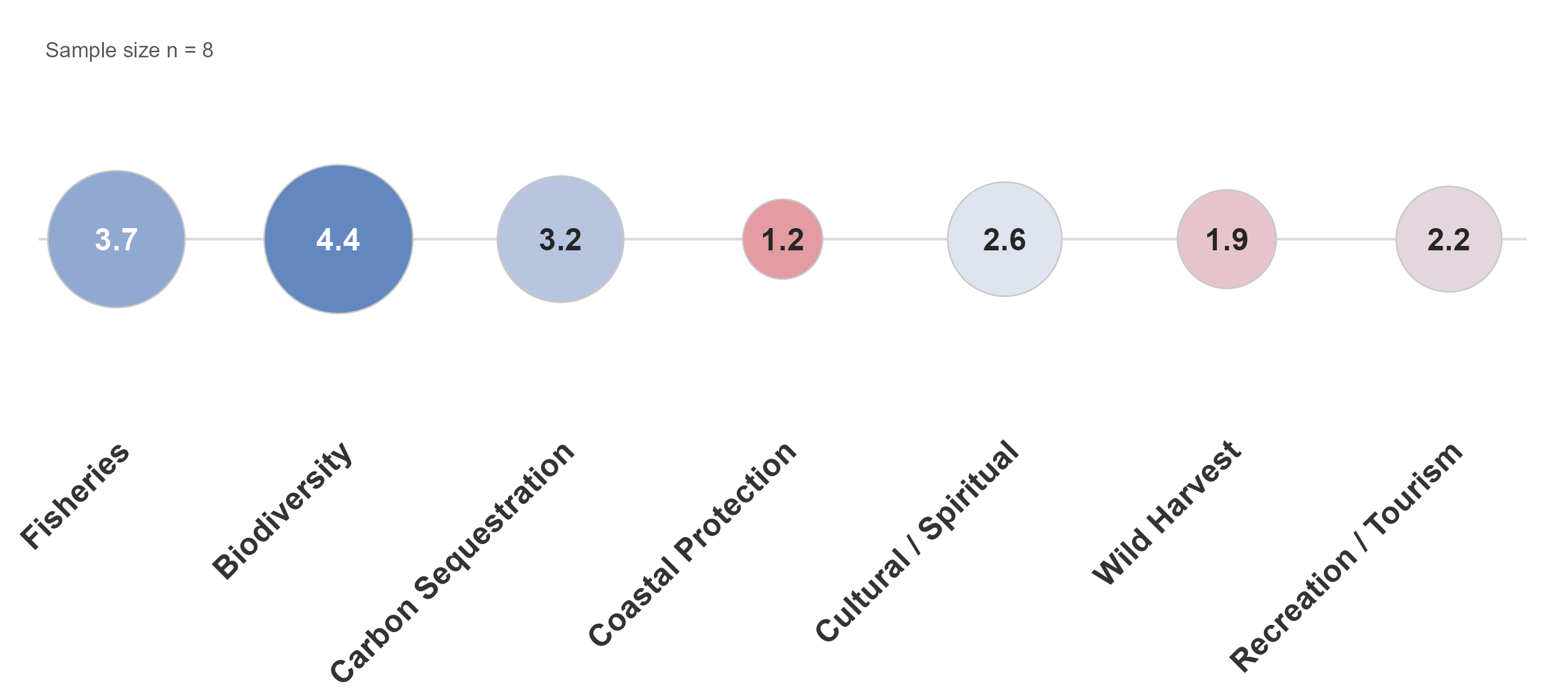
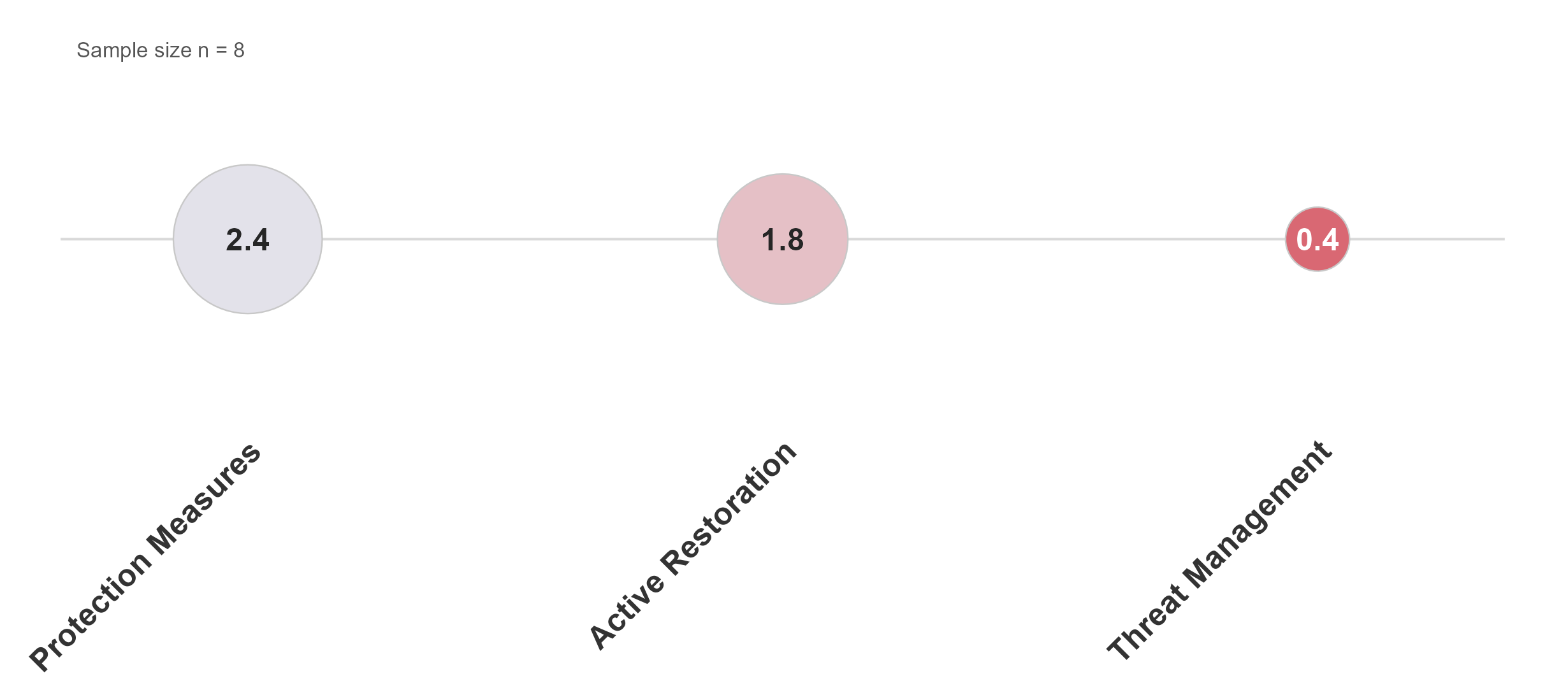
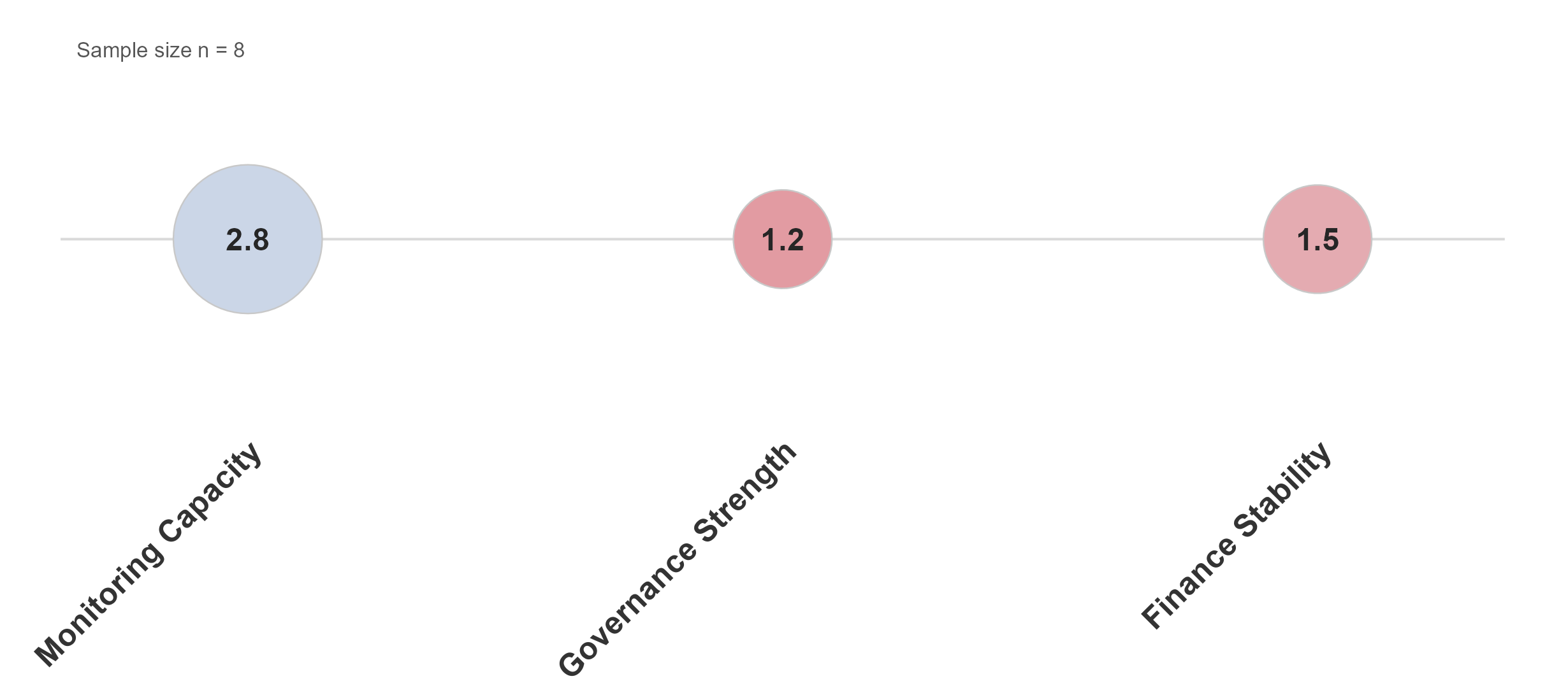
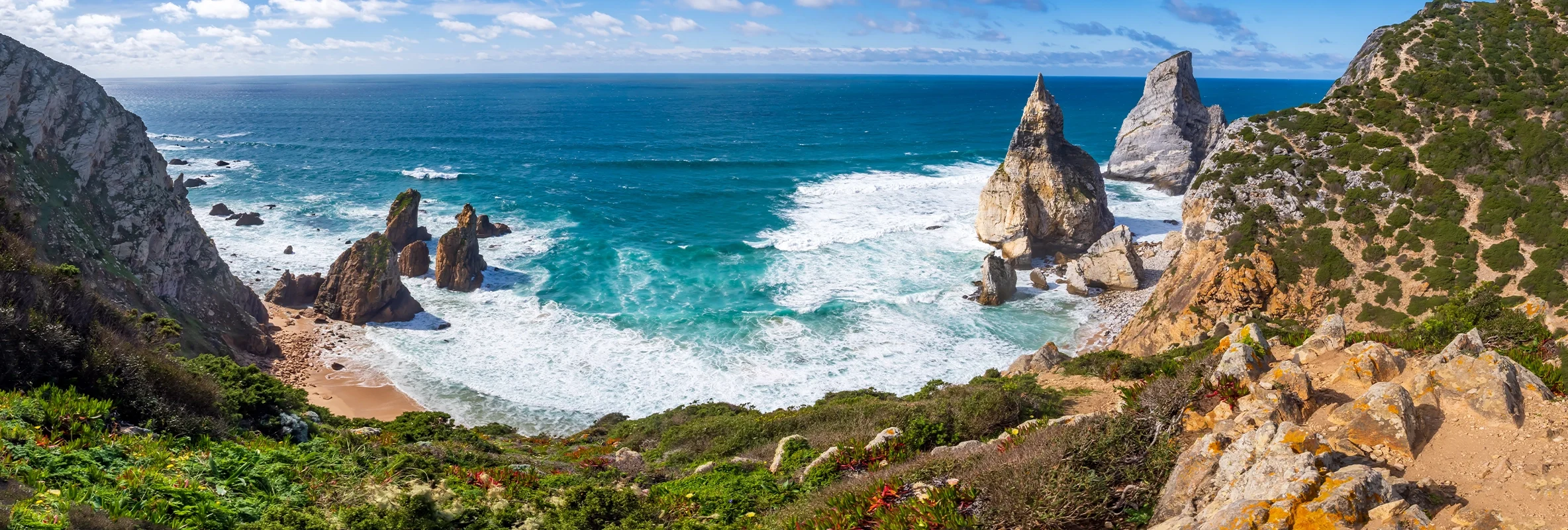
Across the Atlantic Iberian Peninsula, kelp conservation is gaining recognition, though practical efforts remain fragmented. In Galicia (NW Spain), harvesting restrictions have been implemented to protect remaining Laminaria hyperborea populations. Portugal has taken early steps through new MPAs such as Gorringe Bank, although kelp-specific management remains limited. A shared development is the emergence of restoration trials in both countries, including reforestation efforts led by SeaForester and research projects in Portugal (e.g., Blueforests, Blueforesting, Ecokelp), alongside a reforestation programme in Galicia. Both Portugal and Galicia have established long-term, kelp-focused monitoring. In Portugal, annual surveys have run for over a decade along the western Iberian coast, including two Galician sites (A Coruña, Vigo) and three Portuguese sites (Viana do Castelo, Peniche, Sines). In Galicia, seasonal monitoring began in 2019 at eight sites in the Rías Baixas and expanded in 2022 to 28 additional reefs across ~1,600 km of coastline, including the Cantabrian Sea (Barrientos et al. 2025). These programmes also track herbivory, identified as a key driver of kelp dynamics (Franco et al. 2015; Barrientos et al. 2022; Reis et al. 2024), alongside surveys of key fauna and flora and fish herbivory. In southern Spain, monitoring also tracks macroalgal dynamics, including the spread of invasive Rugulopteryx okamurae, which competes for space with native kelp. Recognition of kelp’s ecological importance is increasing. In Portugal, a White Paper and research on blue carbon potential have helped articulate kelp’s contribution to regional carbon sequestration (Franco et al. 2025). In Galicia, studies have evaluated kelp’s importance for fishing communities and the impacts of kelp decline on small-scale fisheries (Piñeiro-Corbeira et al. 2022). This expanding evidence base is fostering cross-border coordination, including the upcoming joint Iberian Kelp Atlas led by a Spanish institution (Arroyo et al. 2025).