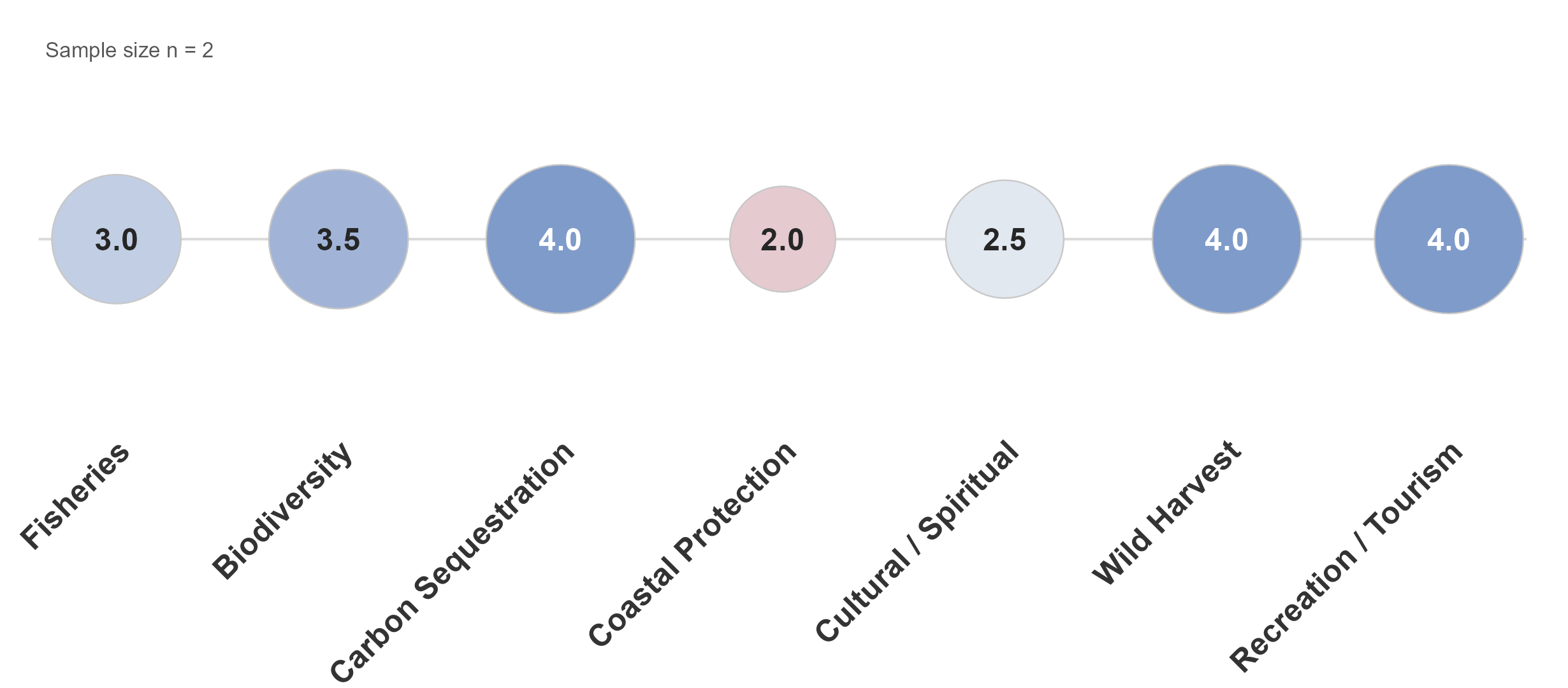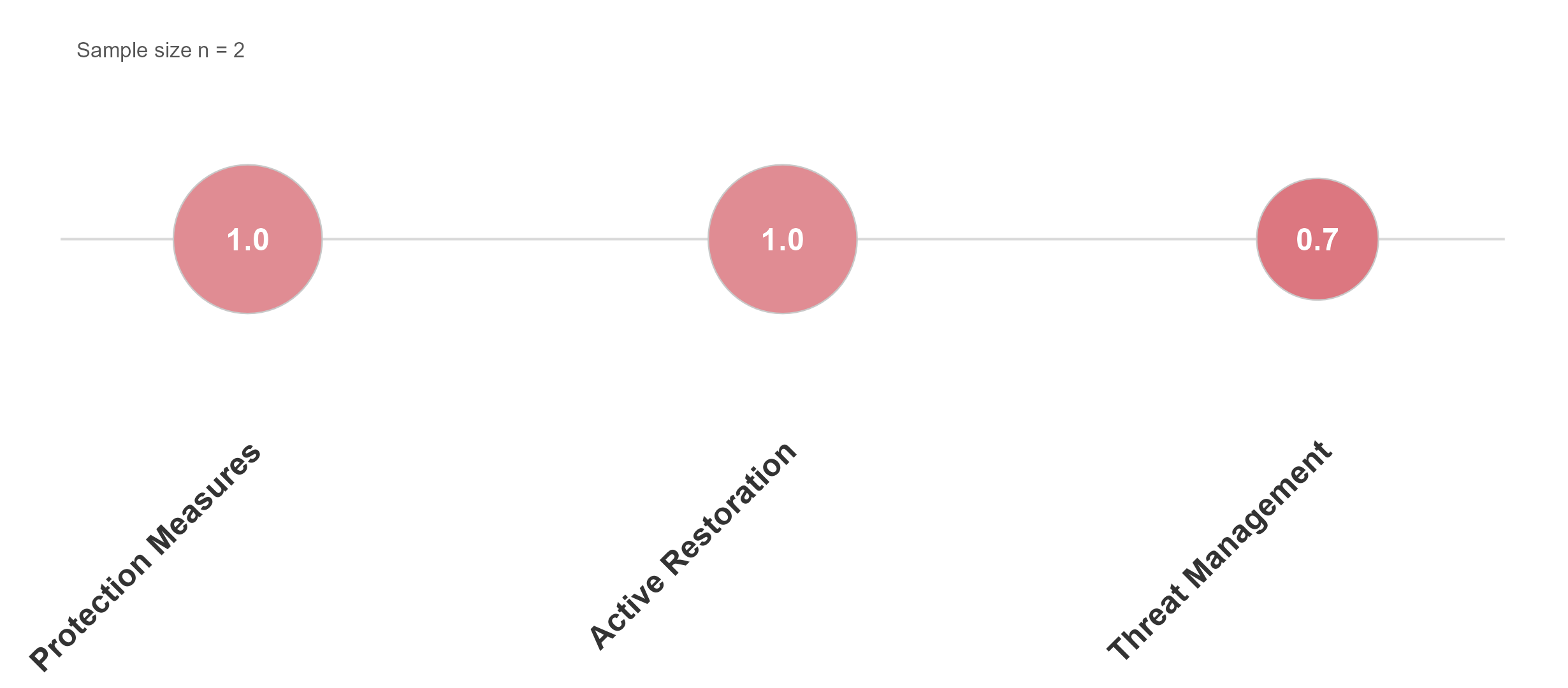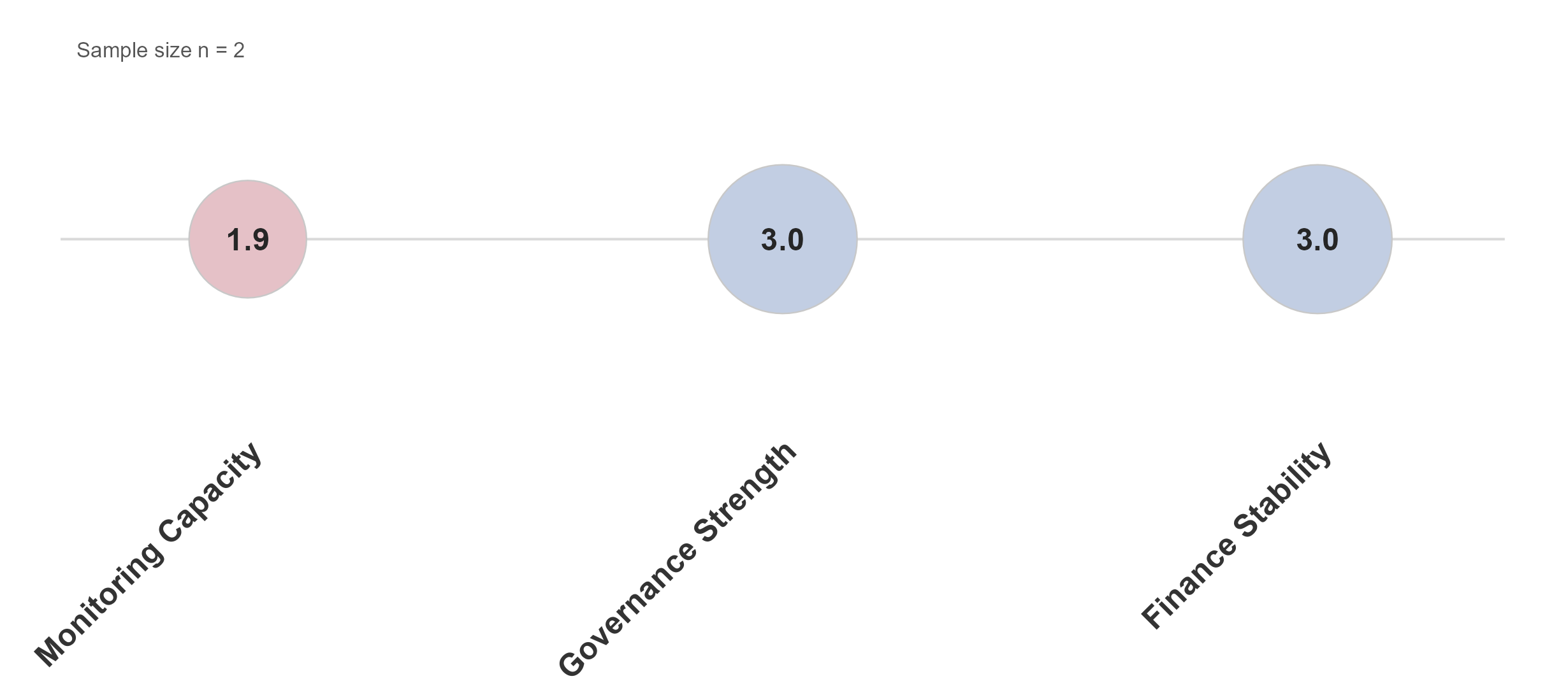
Sweden is in the early stages of kelp conservation. Pilot restoration projects, including green gravel, are testing recovery methods, and mapping is improving knowledge of kelp distribution along the west coast. The main constraint is limited public and political awareness, which slows funding and coordination. Opportunity is to build visibility through schools and media, and analyze existing underwater vegetation datasets for trend signals that guide action. EU restoration frameworks could add leverage if kelp is treated as a priority habitat.

View Metrics

People living within 50km of kelp forests:
7,507,839GDP(B) within 50KM of Kelp:
$270.67 billionOcean Warming Rate by 2100 (°C):
1.97 °CKM2 of Kelp:
58,660Key Species:

Laminaria hyperborea

Saccharina latissima
Until recently, Sweden has seen relatively little kelp-specific conservation. On the country’s northwest coast, researchers have begun pilot projects using green gravel, alongside mapping efforts to clarify present-day kelp distribution and changes in cover along the West Coast. Despite this progress, public and political awareness of kelp’s ecological role remains limited, and kelp conservation and restoration have not yet attracted the national attention seen in neighbouring Norway.
Sweden has an opportunity to build a cohesive national strategy by embedding kelp into broader marine science and education frameworks. Integrating ocean literacy into school curricula and teacher training could elevate kelp’s visibility across generations. Close collaboration with Norway could also accelerate learning—particularly around monitoring protocols, policy design, and public engagement. A consolidated national kelp roadmap would help align regional initiatives, unlock funding, and clarify regulatory pathways. Sweden also holds a substantial, under-analysed data resource through its national monitoring programme on marine underwater vegetation; analysing these datasets could reveal long-term trends in kelp status. As with other EU member states, Sweden can also use the EU Nature Restoration Regulation as a lever to advance kelp forest conservation.
Progress to date has largely been driven by academic, regional, and local initiatives. Research teams have established essential groundwork through trials and surveys, but wider societal involvement has remained limited. Sweden could accelerate by borrowing from Norway’s example: empowering young people, increasing media visibility, and pairing science with participatory, on-the-water restoration. Without this cultural and policy shift, early scientific gains risk remaining isolated.