
View Metrics
People living within 50km of kelp forests:
58,721GDP(B) within 50KM of Kelp:
$1 billionOcean Warming Rate by 2100 (°C):
3.12 °CKM2 of Kelp:
27,216Key Species:

Saccharina latissima
Laminaria solidungula
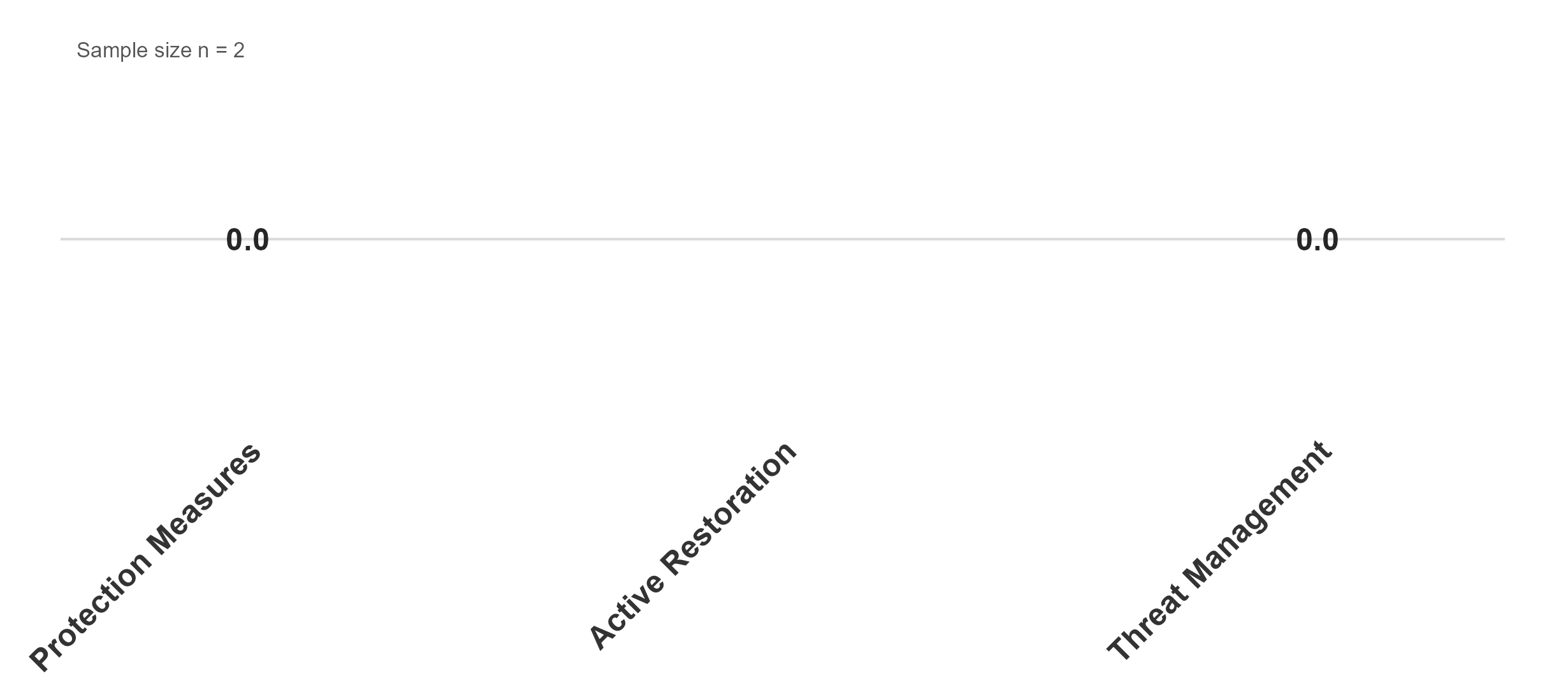
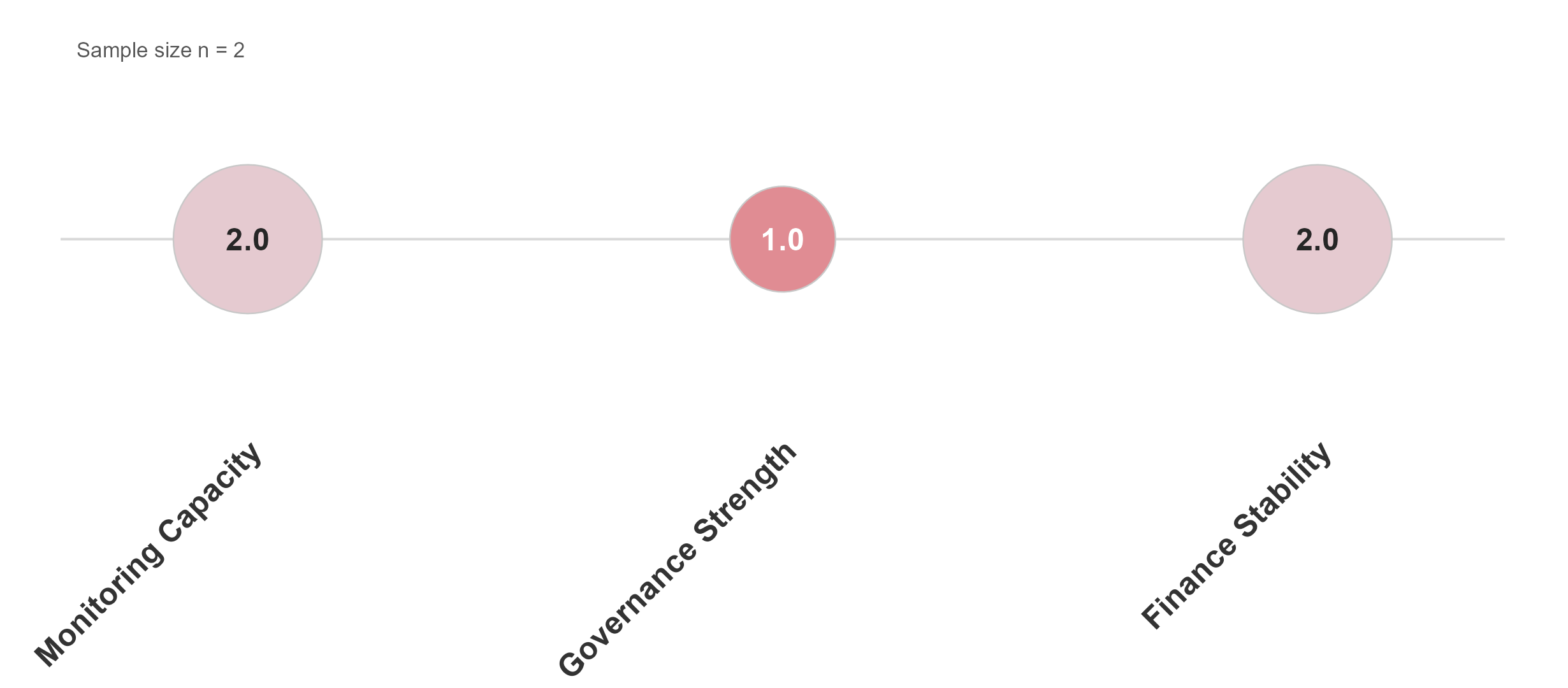
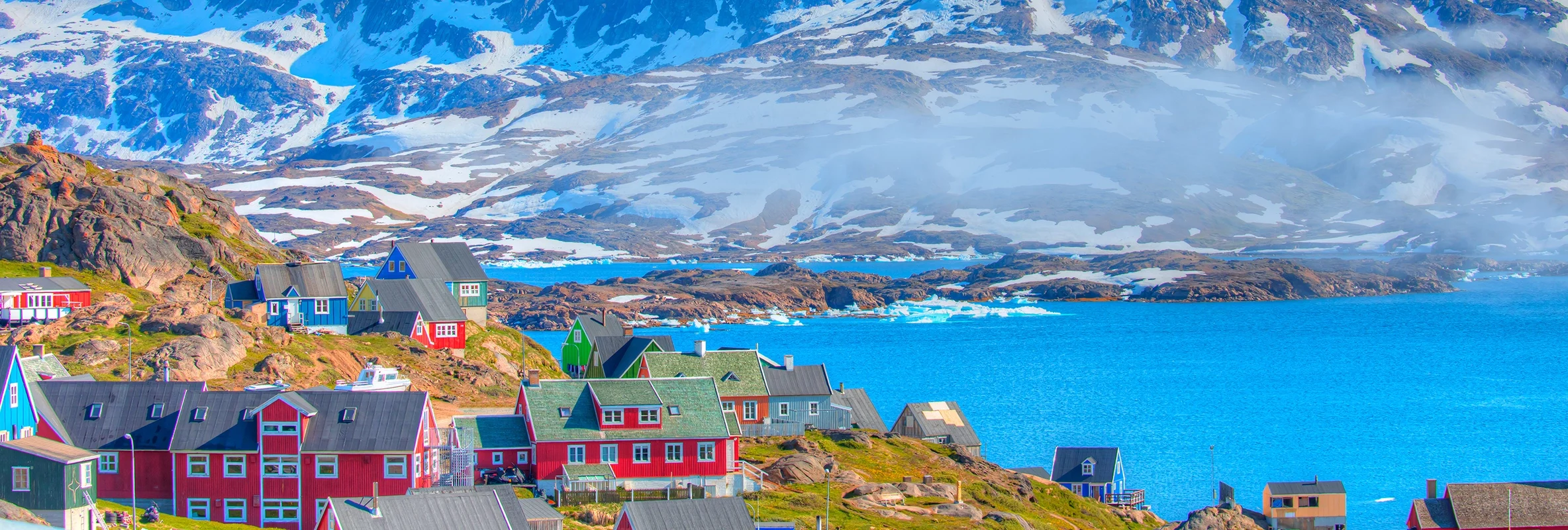
In Greenland, much research focuses on macroalgal communities and their responses to climate change, but there are currently no projects actively pursuing kelp conservation or restoration (Assis et al. 2022; Ager et al. 2023; Wegeberg et al. 2025). Greenland is globally distinctive in that large portions of its coastline are uninhabited and experience limited direct human pressure. However, limited knowledge about kelp forest status and drivers constrains the scope for conservation or restoration (Wegeberg et al. 2025). In addition, Greenland’s socioeconomic priorities are concentrated in rapidly developing sectors such as fisheries, hunting, and tourism, leaving few resources for kelp-focused programmes (Arnaut and Lidman 2021). Recent interest in industrial-scale seaweed culture and harvest (WWF 2025) has prompted a response from the Government of Greenland to ensure development proceeds sustainably (Wegeberg and Geertz-Hansen 2021). While dedicated conservation programmes are not yet in place, the Greenland Ecosystem Monitoring (GEM) programme has tracked kelp biomass production for two decades at three locations: Nuup Kangerlua, Disko Bay, and Young Sound (Christensen and Arndal 2025). Over the past three years, the Faroese Research Council–funded BlueCea project (MARiNAO 2023) has examined the blue carbon potential of macroalgae in East Greenland, aiming to highlight the importance of healthy macroalgae forests for carbon pathways to relevant decision-makers.
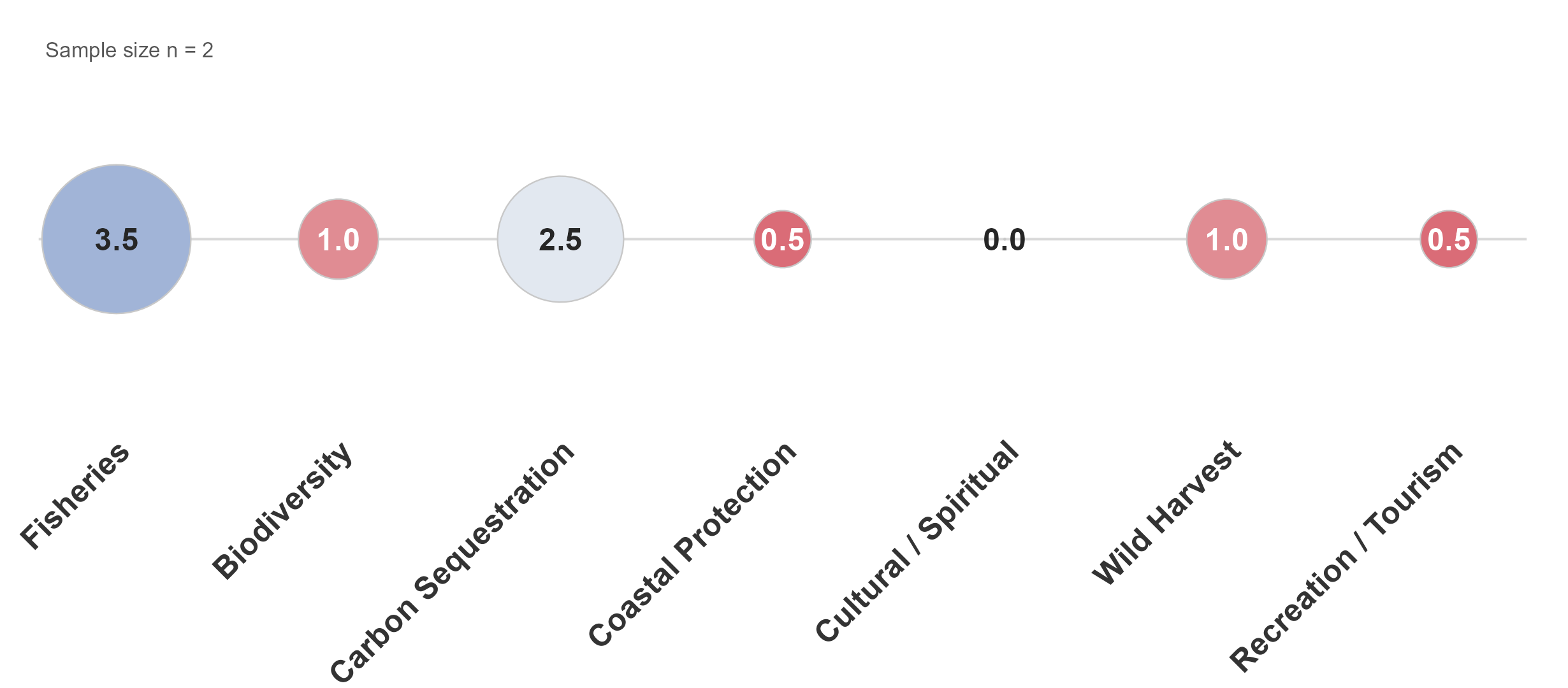
Although climate change in the Arctic is often framed negatively, warming is expected to facilitate northward expansion of kelp forests in Greenland and across the wider Arctic (Assis et al. 2022). The true extent, community composition, ecosystem services, and effects on local conditions remain unclear, but expanding kelp could become an increasingly important coastal resource. Beyond interest in seaweed farming and harvesting, kelp provides habitat for commercial species such as cod and supports a developing sea urchin fishery (Stefánsson et al. 2017). Kelp may also help maintain water quality in areas affected by raw sewage outflow, particularly given the absence of sewage treatment plants (Vidal 2019). Greenland is currently developing its 2030 Nationally Determined Contributions (NDCs). Macroalgae’s potential role in carbon capture, storage, and facilitation is being considered for inclusion in mitigation strategies as an emerging blue carbon habitat by the IPCC (Howard et al. 2023). If approved, this framing could create incentives for future protection and active management of Greenland’s expanding kelp forests.