
View Metrics
People living within 50km of kelp forests:
506,321GDP(B) within 50KM of Kelp:
$5.36 billionOcean Warming Rate by 2100 (°C):
3.15 °CKM2 of Kelp:
7,527Key Species:
Laminaria digitata

Saccharina latissima
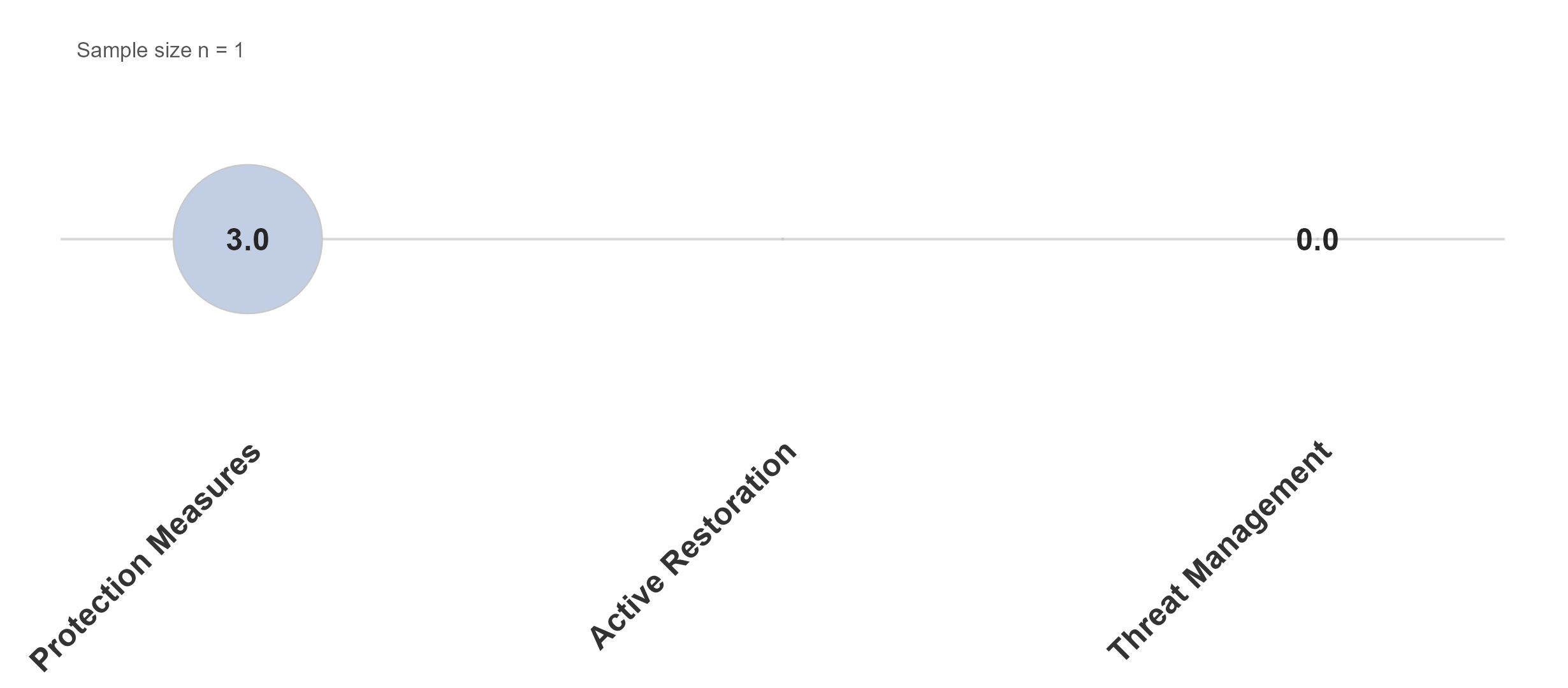
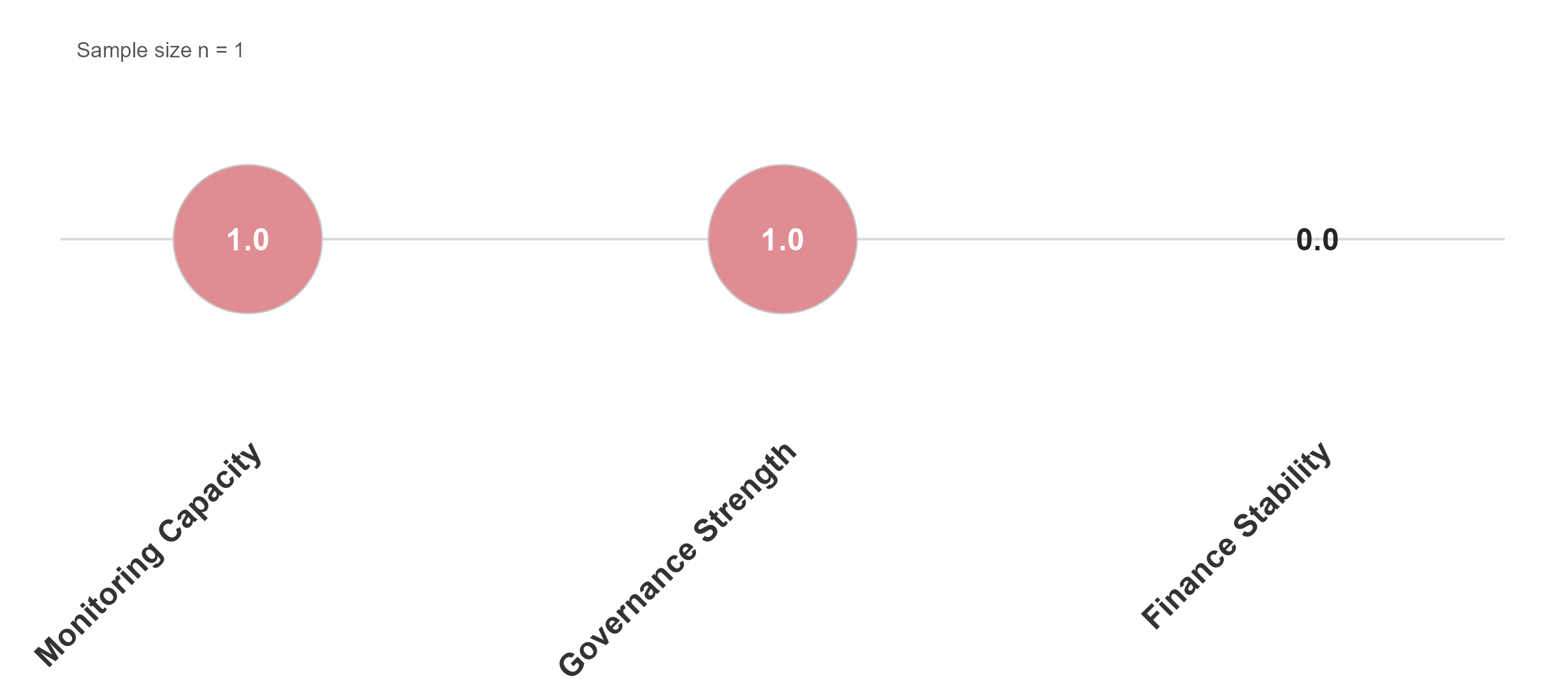
There are currently no formal monitoring or development programmes for kelp forests in the White Sea, making recent trends difficult to assess. Current understanding relies largely on individual researchers and small research groups. Historically, the White Sea has been the best-studied Arctic basin for kelp in Russia, with extensive 20th-century expeditions and additional work by Mikhaylova and colleagues in the early 21st century. During the Soviet era, kelp (particularly Laminariales and Fucales) was treated as a high-value resource, prompting standing-stock assessments and the development of harvest strategies (Gemp 1962). The most comprehensive distribution map still derives from surveys conducted between 1965–1984 (Vozhinskaya 1986), with subsequent mapping efforts limited to local areas.
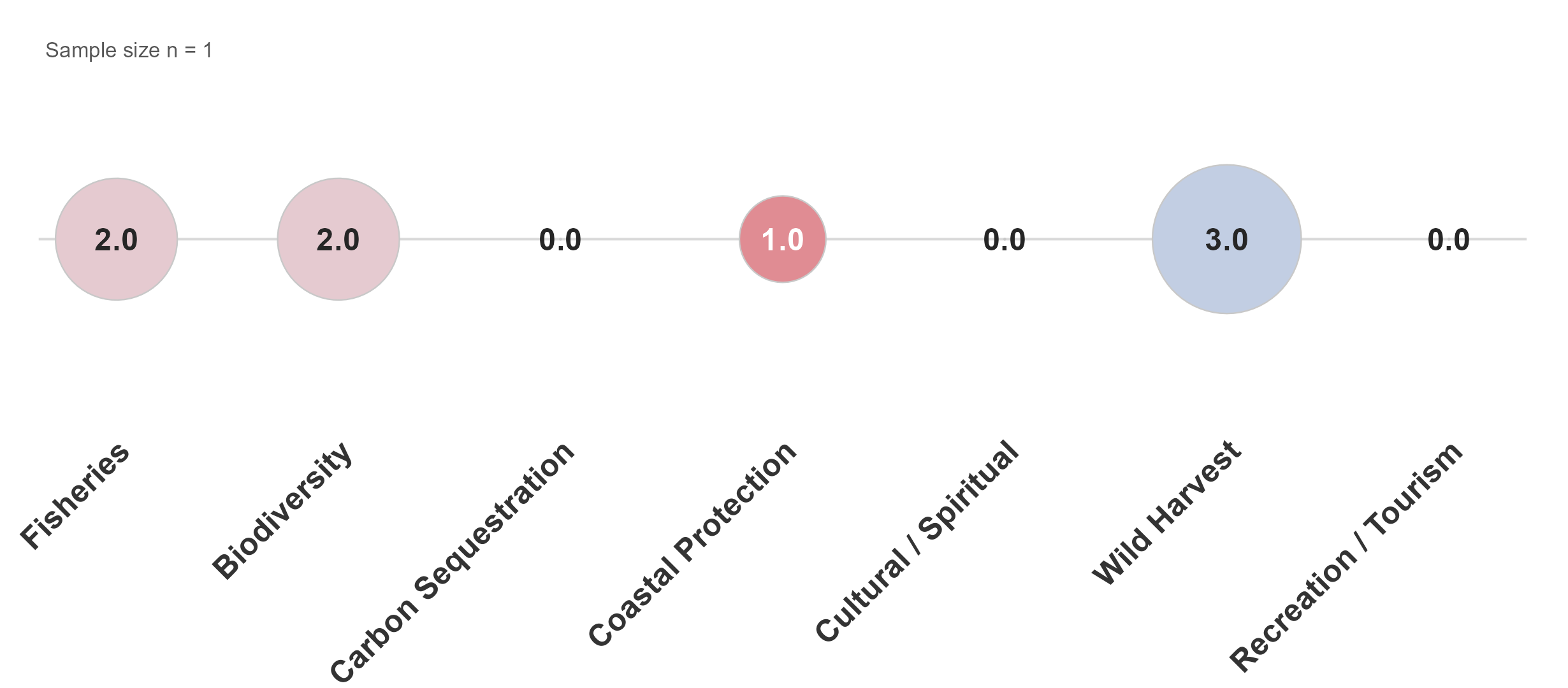
In the White Sea—and Russia more broadly—kelp continues to be perceived primarily as an extractive resource for food, feed, and industrial compounds (Vozhinskaya 1986), rather than as an ecosystem of ecological significance. The Arkhangelsk Algae Plant, founded in 1918 and relaunched in 1948, remains a distinctive facility producing sodium alginate, technical mannitol, and agar. Since the late 1980s, production waste from mannitol extraction has been repurposed across industries, and since 2010 the plant has expanded into eco-products, including natural medicines and food additives (snowsea.ru/o-nas/history/). This trajectory demonstrates potential for broader kelp applications across sectors. Permitted harvest quota for the White Sea was 49,597 tonnes in 2022, yet actual harvest was only ~913 tonnes (Northwest Territorial Administration of Rosrybolovstvo 2022). Despite multiple harvesting companies operating in Pomorye and Karelia, the large gap between allowable and realised harvest suggests both ecological and economic constraints. Although cultivation techniques were developed during the late Soviet period, large-scale kelp mariculture remains infeasible due to seasonal ice cover and high operational costs (Tsetlin et al. 2010).