Namibia

Kelp Region

Namibia

Namibia’s coast is widely protected, including a major marine protected area, but kelp has not been a primary management focus. Attention is rising because Namibia hosts Africa’s first kelp farm in a pilot phase with plans to expand, which is driving new research in an understudied system. Opportunity is to establish baseline maps and ecosystem data now, and put strong governance, transparency and safeguards in place before industry scales. Outcomes will hinge on compliance and trusted oversight.

Pledges Status

Committed To The Kelp Forest Challenge:

No
We accept pledges to protect or restore kelp forests, increase awareness, assist conservation projects, or inspire the world. If you think you can help the kelp, let us know.

Area Restored Or Protected

  • Top 4 Area Restored By Species

    ha restored
  • Total Area Protected

    ha protected

Community Statistics

  • Number of Restoration Projects

    How many projects have started or completed restoration efforts within this Region.
  • Related Papers

    We need knowledge to inform our decisions, see all the research papers published to help manage kelp forests within the Region.

Ecosystem Services

  • Top 4 Genus Restored (Ha):

    genera
    projects

View Metrics

People living within 50km of kelp forests:

249,807

GDP(B) within 50KM of Kelp:

$3.27 billion

Ocean Warming Rate by 2100 (°C):

1.87 °C

KM2 of Kelp:

13,668

Key Species:

Ecklonia maxima

Laminaria pallida

The success of kelp-related initiatives in Namibia will depend on strict adherence to regulatory frameworks and transparent governance. These measures are essential to minimise adverse impacts on kelp forests while safeguarding other natural resources.

Namibia’s Marine Resources Act 27 of 2000 provides the foundational legal framework for marine resource management, with a strong emphasis on sustainability and exploitation controls. However, its direct relevance to kelp is limited, as the Act primarily regulates commercial fisheries. Under its provisions, only 10 kg of seaweed may be harvested, and beach-cast seaweed—mainly kelp—is collected through a concession system governed by the Act. Despite limited kelp-specific governance, kelp habitats benefit from broad incidental protection: nearly the entire coastline (excluding municipal townlands and villages) is designated as protected land. Four major terrestrial national parks, including Namib-Naukluft and Skeleton Coast, extend from the low-water mark inland, covering most of Namibia’s 1,572 km coastline. Namibia has also established the Namibian Islands’ Marine Protected Area (NIMPA), spanning ~400 km along the coast and extending ~30 km offshore, covering 117,946 km²—roughly 21% of Namibia’s EEZ. Namibia has also become home to Africa’s first kelp farm, located near Lüderitz in southern Namibia within the Benguela Current Large Marine Ecosystem. Operated by the Dutch company Kelp Blue, the farm is currently in a pilot phase, with plans to expand cultivation of non-native giant kelp (Macrocystis pyrifera) from 15,000 hectares to 70,000 hectares.
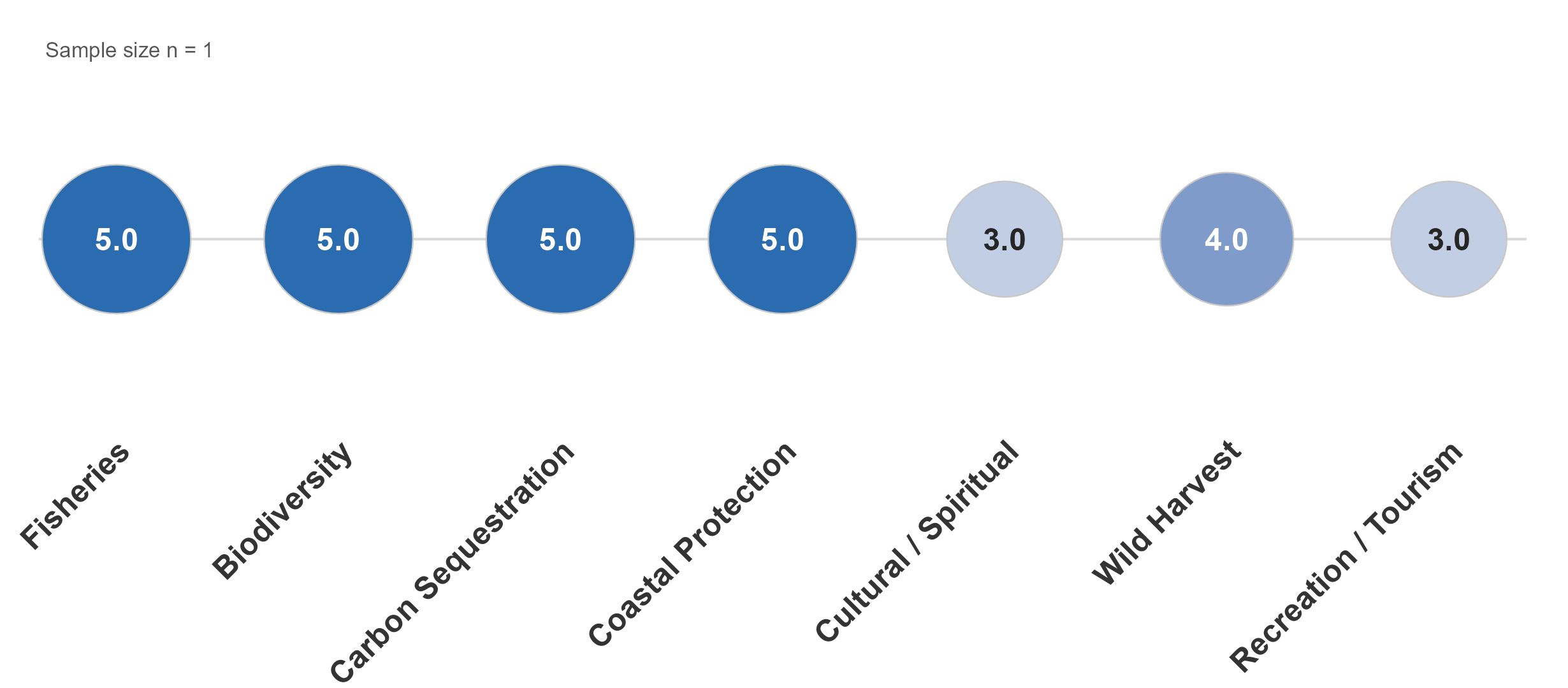
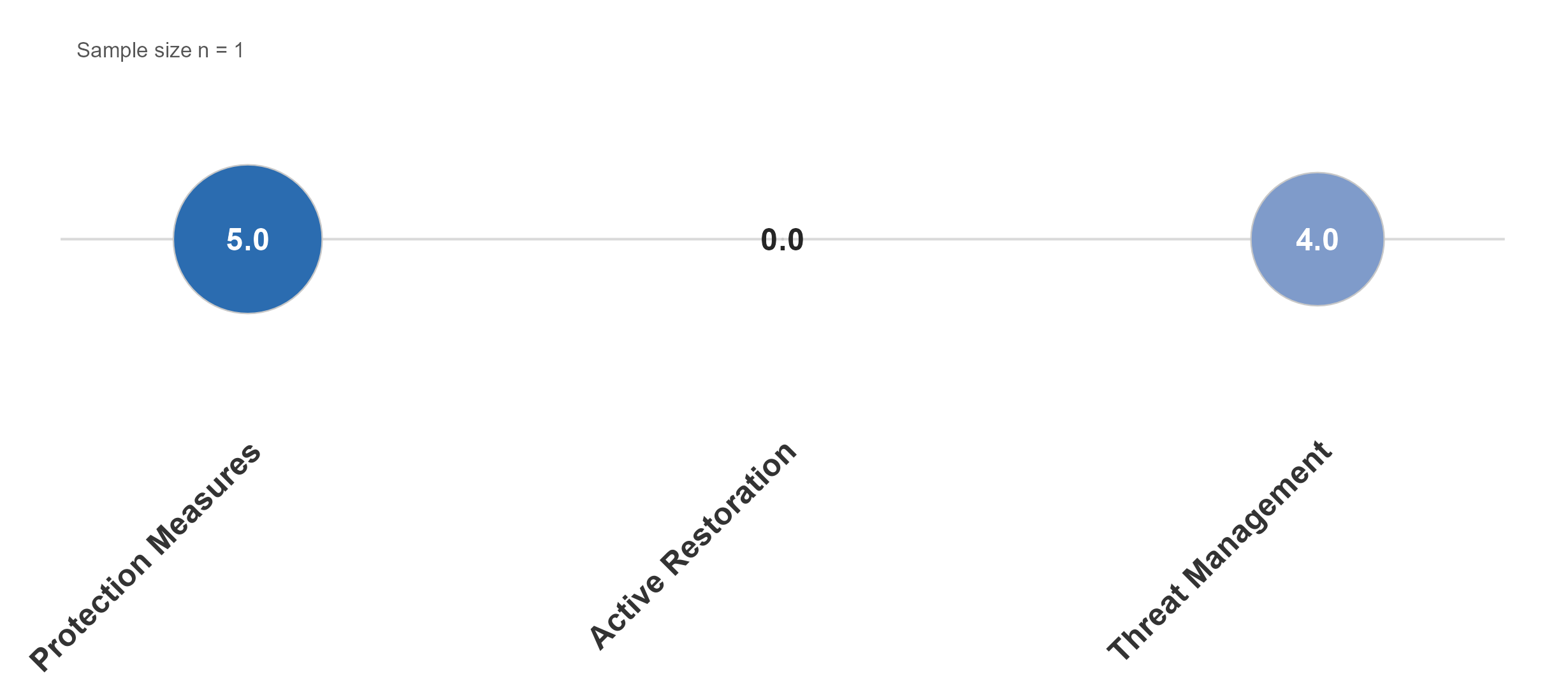
Large-scale studies of Namibian kelp forests remain limited, particularly regarding carbon sequestration potential and climate sensitivity. However, the emergence of kelp farming has catalysed renewed scientific interest in a previously overlooked ecosystem. This has supported new data collection on biodiversity, carbon mapping, and climate impacts, alongside capacity-building efforts and rising public awareness of kelp forests and their associated biota.
Namibia’s Marine Resources Act (2000) provides a robust legal basis for conservation and sustainable use of marine ecosystems. It regulates harvesting through science-based quotas, prohibits destructive practices, and enables protected-area designations to safeguard biodiversity. The Act aligns with international best practice in rights-based, ecosystem-oriented fisheries management. Notably, Namibia stands out globally for protecting ~1,500 km of coastline through an extensive network of national parks and reserves. This integrated protection approach supports biodiversity conservation while also contributing to sustainable development and climate resilience.