
View Metrics
People living within 50km of kelp forests:
661,186GDP(B) within 50KM of Kelp:
$16.3 billionOcean Warming Rate by 2100 (°C):
3.53 °CKM2 of Kelp:
45,111Key Species:
Laminaria solidungula

Saccharina latissima
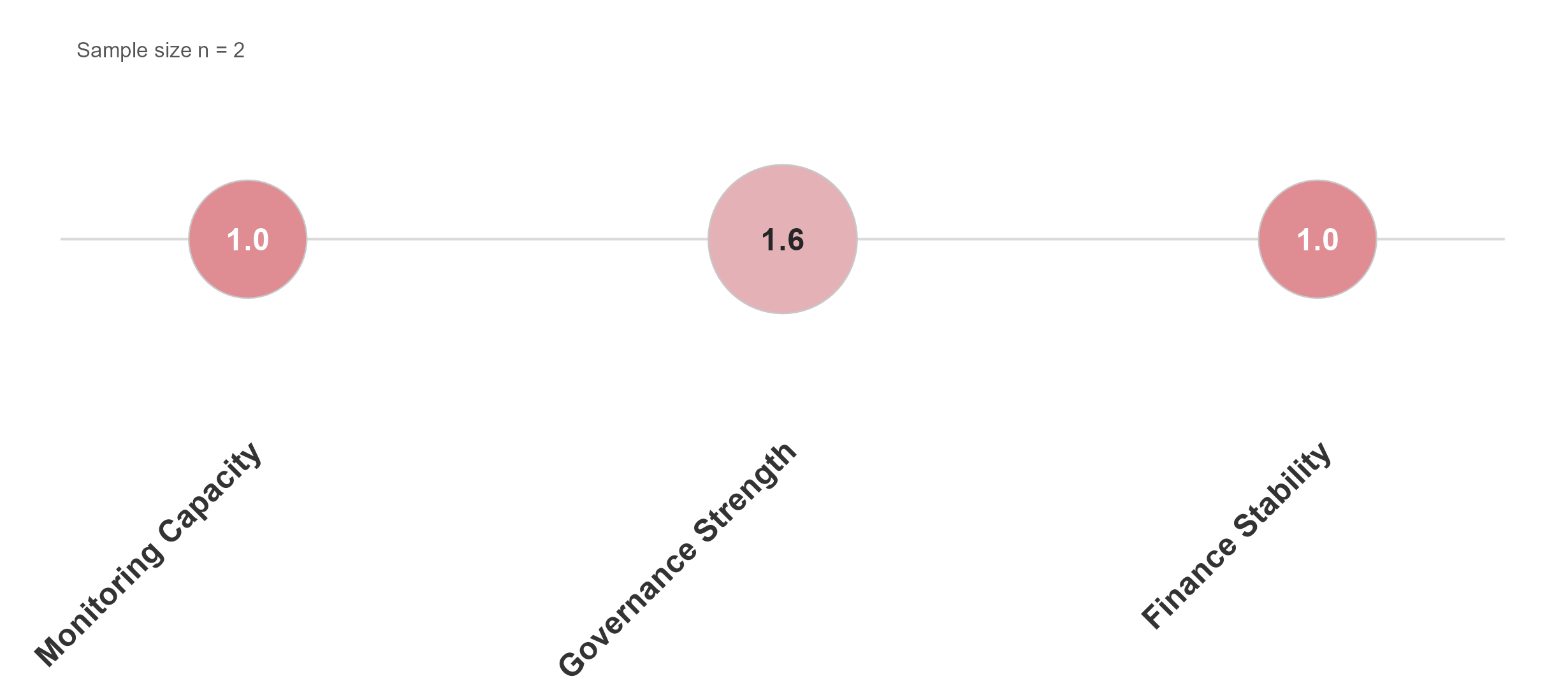
The seas of the Russian High Arctic remain among the least studied regions globally for kelp, with the partial exception of the Barents Sea. Harsh climatic conditions, persistent ice cover, and remoteness have constrained monitoring. Current knowledge is derived from episodic expeditions rather than systematic programmes. Recent kelp distribution maps are mainly available through regional ecological atlases, including those of the Kara Sea (NIR Foundation 2016), Laptev Sea (NIR Foundation 2017), and Barents Sea (NIR Foundation 2020a). The Polar Branch of the Russian Federal Research Institute of Fisheries and Oceanography monitors aquatic biological resources in the Barents and Kara Seas, but not kelp specifically. These surveys inform conservation measures and resource-use guidelines. There are no comprehensive ongoing monitoring programmes for kelp in the East Siberian or Chukchi Seas.
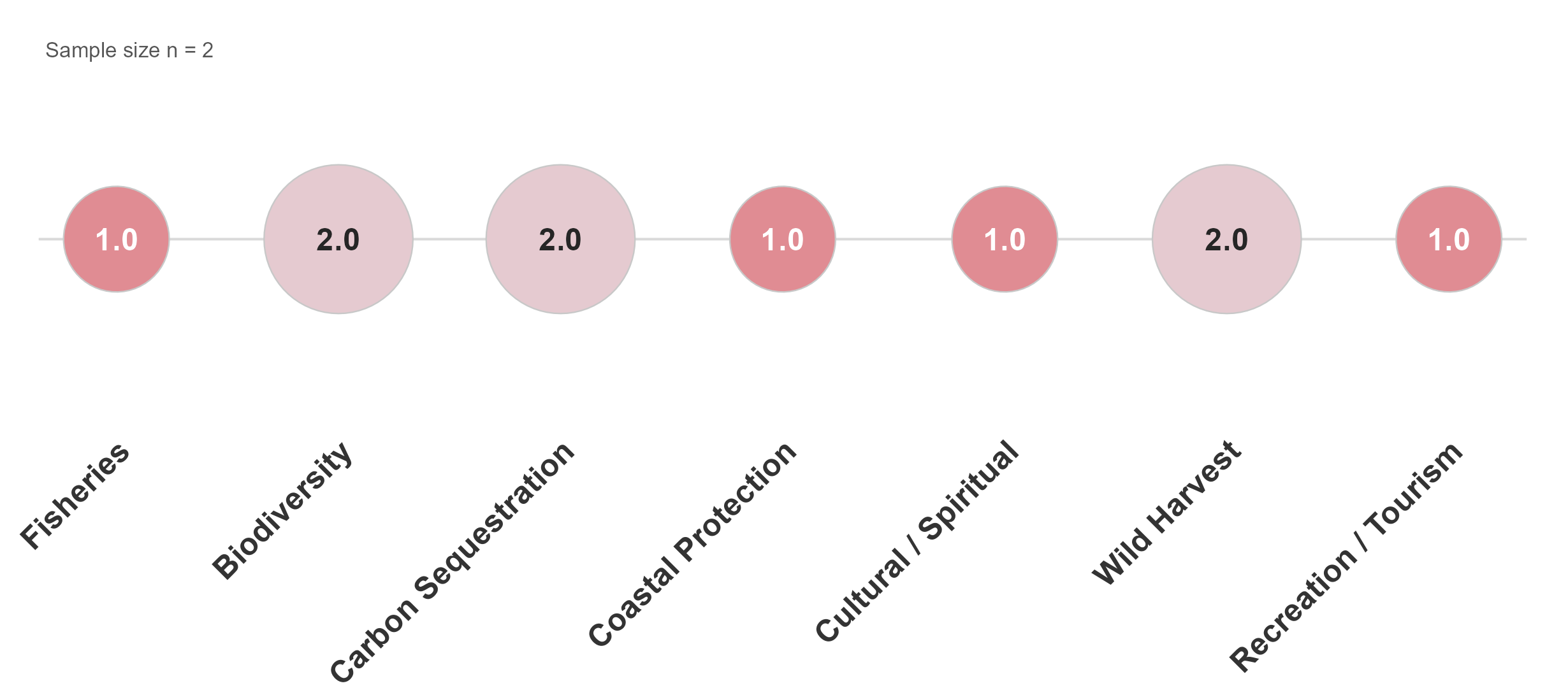
In the Barents Sea, kelps (Laminariales and Fucales) have substantial resource potential, with commercial biomass estimated at 257,000 tonnes (NIR Foundation 2020a). Wild harvest remains minimal due to long distances between kelp beds and processing facilities and high labour costs, particularly given the prohibition on mechanical dredging (Evseeva et al. 2024). Nevertheless, sustainable harvesting remains possible, and the Barents Sea also offers strong scope for international collaboration, particularly with Norway. For the Kara, Laptev, East Siberian, and Chukchi Seas, the most immediate opportunity is knowledge-building: updated mapping, stock assessment, and health monitoring. Recent discoveries of kelp communities on the shelf of the Severnaya Zemlya Archipelago show kelps can persist even under severe ice disturbance and glacial influence (Mikhaylova et al. 2022). These areas may become future refugia under warming scenarios if higher temperatures enhance growth and recruitment; however, ice melt and resulting desalination may offset benefits through negative physiological effects (Filbee-Dexter et al. 2019; Assis et al. 2022). There is also a strategic opportunity to shift perception of kelp from a “resource” to a critical ecosystem. While this framing is increasingly common in scientific and conservation circles (Solovyev et al. 2017; James et al. 2024), it remains limited in wider public and institutional contexts—yet may be foundational for effective conservation.
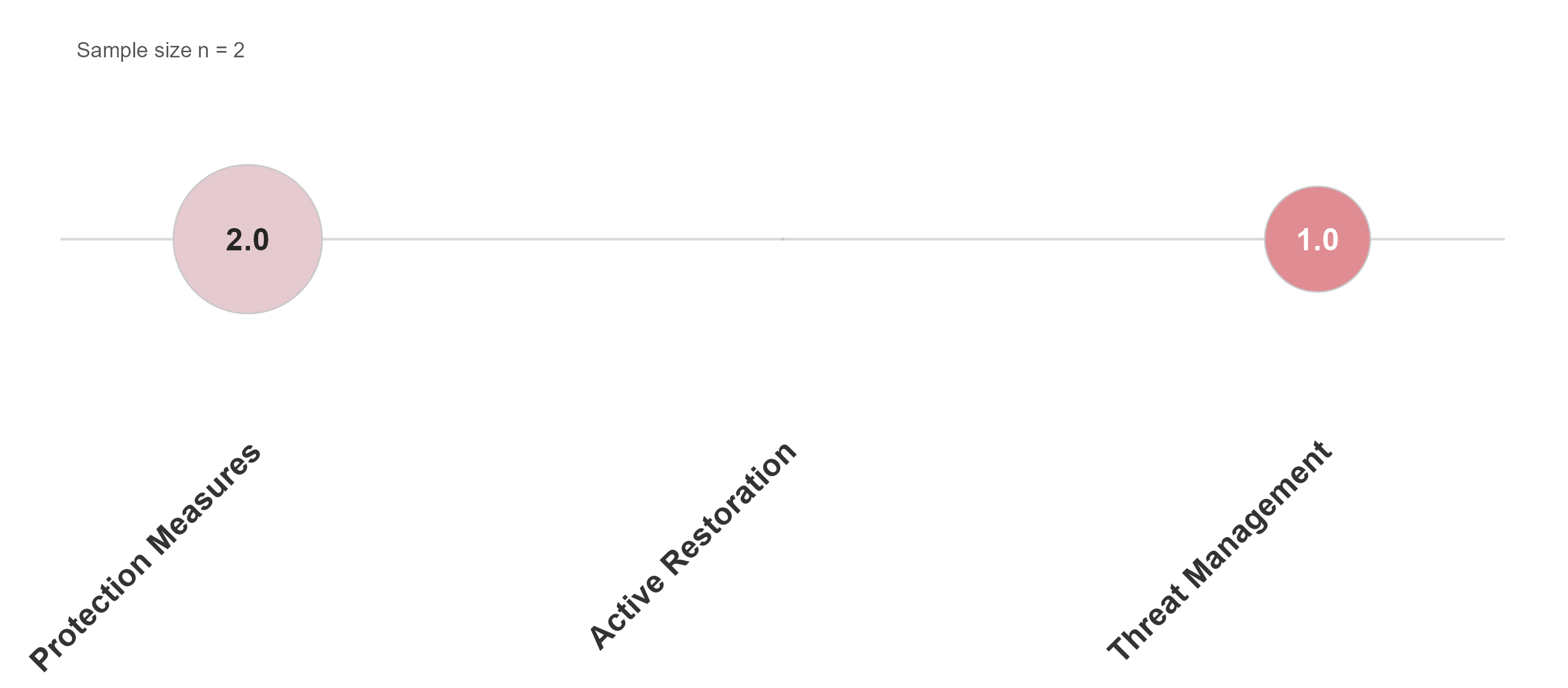
In the Barents Sea, management has been shaped by the tension between harvesting and conservation. Intensive mechanical kelp harvesting occurred along the Murmansk coast in the late 20th century (NIR Foundation 2020a). To reduce impacts, the 2021 Fishing Rules for the Northern Fishery Basin prohibited dredging in soft-bottom habitats (Evseeva et al. 2024), pushing companies toward more sustainable practices. Biotechnology efforts have also contributed: Saccharina latissima cultivation trials were developed in the 1980s (Blinova and Makarov 1987), while more recent work with Fucus vesiculosus has explored supporting coastal self-purification after oil pollution (Voskoboynikov et al. 2019). The Ecological Atlases of the Seas of Russia (NIR Foundation 2020b) assessed conservation needs of multiple taxa. Saccharina latissima and Laminaria digitata were not considered threatened but were sensitive to local pollution; Laminaria hyperborea was flagged for monitoring; Laminaria solidungula was identified for protection in areas of intensive economic activity; and Fucus distichus was recommended as an Arctic indicator species. In addition, a proposed network of priority conservation areas across the Russian Arctic identifies kelp-associated habitats as biodiversity hotspots (Solovyev et al. 2017; James et al. 2024).