View Metrics


People living within 50km of kelp forests:
98,123,947GDP(B) within 50KM of Kelp:
$2,628.58 billionOcean Warming Rate by 2100 (°C):
1.95 °CKM2 of Kelp:
8,438Key Species:
Laminaria rodriguezii
Laminaria ochroleuca
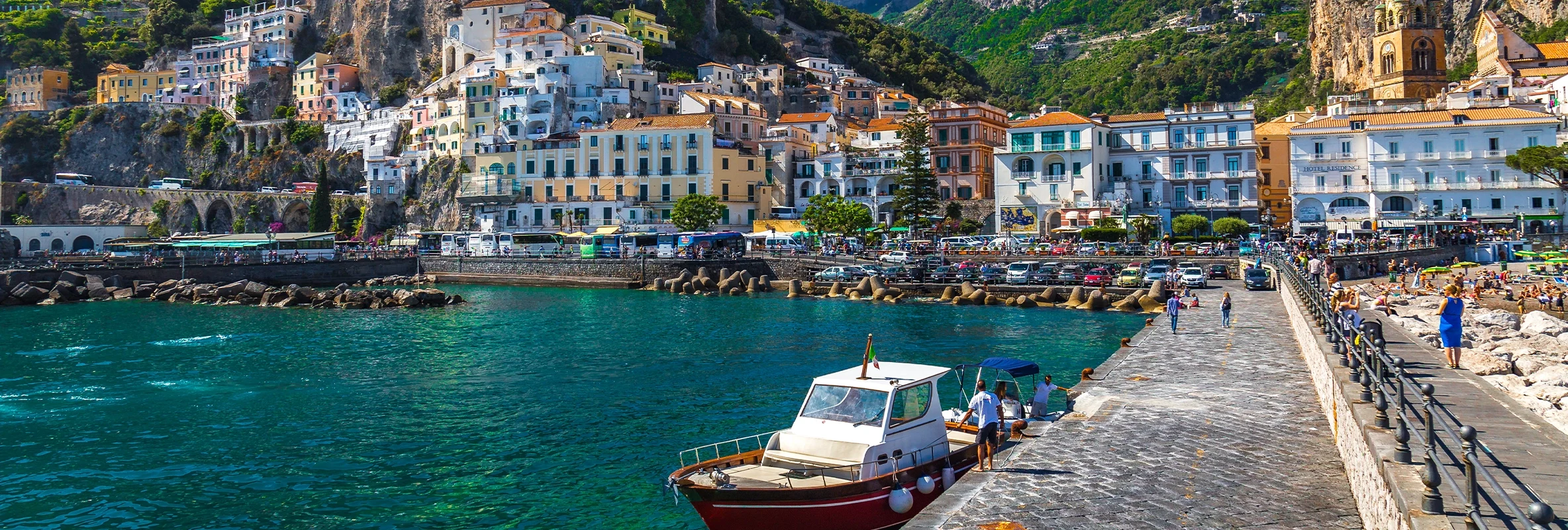
In the Mediterranean Sea, macroalgal forests are primarily formed by fucoids within the Cystoseira sensu lato (Cystoseira s.l.) complex. These habitats are recognised as priority ecosystems: they are listed as species of concern under the Barcelona Convention, included in the Red List of European Habitats (A3.13), and covered under Annex I of the EU Habitats Directive (as components of habitats 1160 and 1170). Cystoseira s.l. is also used as a bioindicator of water quality under the Water Framework Directive (Ballesteros et al. 2007). Over the past three years, restoration and conservation efforts have accelerated across several Mediterranean countries, notably Italy, Spain, France, Slovenia, Croatia, and Greece. Local projects in Catalonia and the Balearic Islands have piloted small-scale in situ and ex situ actions, often combining sea urchin control, stakeholder participation, and citizen science. Many initiatives operate through multi-partner consortia and focus on Cystoseira s.l. at Mediterranean scale. At larger scale, the European AFRIMED project (2019–2023) advanced optimisation and standardisation of monitoring and restoration protocols for Cystoseira s.l. and treated governance as a core component, involving both northern and southern Mediterranean countries (Smith et al. 2023). A major outcome was a published restoration roadmap (Cebrian et al. 2021). In parallel, national and EU-funded programmes—including ROC-POP LIFE, REEForest LIFE, Ocean Citizen, and Italy’s PNRR-based initiatives—have targeted multiple Cystoseira s.l. species (e.g., Ericaria amentacea, Gongolaria barbata, Cystoseira crinitophylla, E. zosteroides, E. brachycarpa), spanning from intertidal to deeper subtidal zones, within and beyond MPAs. Overall, a growing network of researchers, practitioners, and civil society actors is increasingly advocating for proactive, integrated, community-based conservation—shifting from isolated trials toward more systemic strategies.
The newly adopted EU Restoration Law represents a transformative opportunity by providing a legislative and financial framework for long-term, large-scale habitat restoration. Effective scale-up will require participation from public institutions, research centres, NGOs, and the private sector, alongside genuine involvement of local stakeholders (government, citizens, scientists, NGOs, tourism operators, and local businesses). Marine stewardship forums offer a mechanism to support meaningful participation in decision-making. Some emerging initiatives emphasise open-access, community-driven restoration and engagement (e.g., MedGardens by the Cleanwave Foundation; Benjumea et al. 2023), though mid- to long-term outcomes remain to be evaluated. Co-management schemes with sea urchin harvesters—already piloted in Spain and Italy—offer a promising model to reduce herbivore pressure while generating socioeconomic benefits. Expansion of such models could strengthen Cystoseira s.l. resilience under climate stress across the basin. The Mediterranean also contains a laminarian kelp species, the deep-water Laminaria rodriguezii (Žuljević et al. 2016), which remains poorly understood due to its depth distribution. Technological advances are creating new opportunities to study these deep forests and establish baseline knowledge—distribution, ecosystem services, and climate vulnerability—which will likely differ fundamentally from shallow-water Cystoseira s.l. habitats. Building this evidence base is essential for future conservation planning.