
View Metrics
People living within 50km of kelp forests:
12,948,606GDP(B) within 50KM of Kelp:
$429.1 billionOcean Warming Rate by 2100 (°C):
2.41 °CKM2 of Kelp:
45,791Key Species:

Laminaria hyperborea
Laminaria ochroleuca
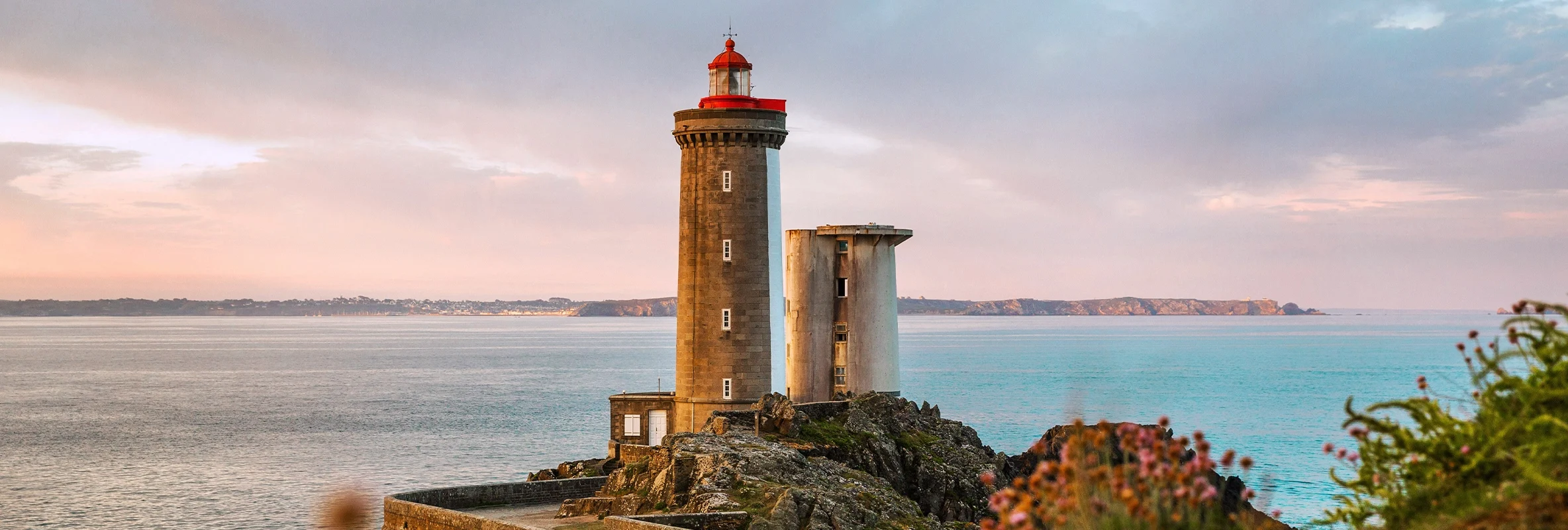
In recent years, France has made measured but meaningful progress in Laminaria kelp forest conservation. Actions include extending existing Marine Protected Areas (MPAs) to cover key kelp stretches of coastline, such as the Seven Islands Archipelago, where harvesting is limited. However, in other MPAs, kelp harvesting is still permitted under management regimes that alternate between no-take zones and fallow periods (Sander and Karlsson 2023). France’s response to the EU Restoration Law is adding impetus for more structured assessment of coastal habitats. As a result, marine forest mapping is increasingly being integrated into broader ecological monitoring frameworks. France’s first kelp restoration project has begun through a collaboration between Association Estuaires Loire and Vilaine and Station Biologique de Roscoff, focusing on Laminaria hyperborea restoration via reseeding and habitat enhancement. Monitoring programmes in Brittany and the Bay of Seine (EU Water Framework Directive), alongside analyses under the EU Marine Strategy Framework Directive (Bizien et al. 2024), are strengthening baseline data on kelp condition and distribution. Collectively, these efforts signal a shift from isolated pilots toward more coordinated national engagement with marine forests.
France sits at a strategic intersection of ecological urgency and cultural relevance for kelp conservation. The EU Restoration Law—combined with the inclusion of kelp forests under OSPAR (de Bettignies et al. 2021a, b)—creates a stronger framework for prioritisation and funding at the national level. Local mapping efforts, especially when embedded into coastal management plans, can help identify and safeguard priority protection and restoration zones. Kelp conservation also aligns with narratives around artisanal coastal heritage, sustainable fisheries, and climate adaptation, offering messages that resonate with policymakers and the public. There is untapped potential to link kelp restoration to blue economy strategies—eco-tourism and regenerative aquaculture—provided there is social acceptance, including from fisher and harvester committees. Framing kelp forests through ecosystem services and One Health concepts may further support prioritisation by funders and decision-makers.