View Metrics

PEOPLE LIVING WITHIN 50KM OF KELP FORESTS:
32,408,328GDP(B) WITHIN 50KM OF KELP:
$2,570.96 billionOCEAN WARMING RATE BY 2100 (°C):
2.49 °CKM² OF KELP:
9,298Key Species:

Macrocystis pyrifera

Nereocystis luetkeana
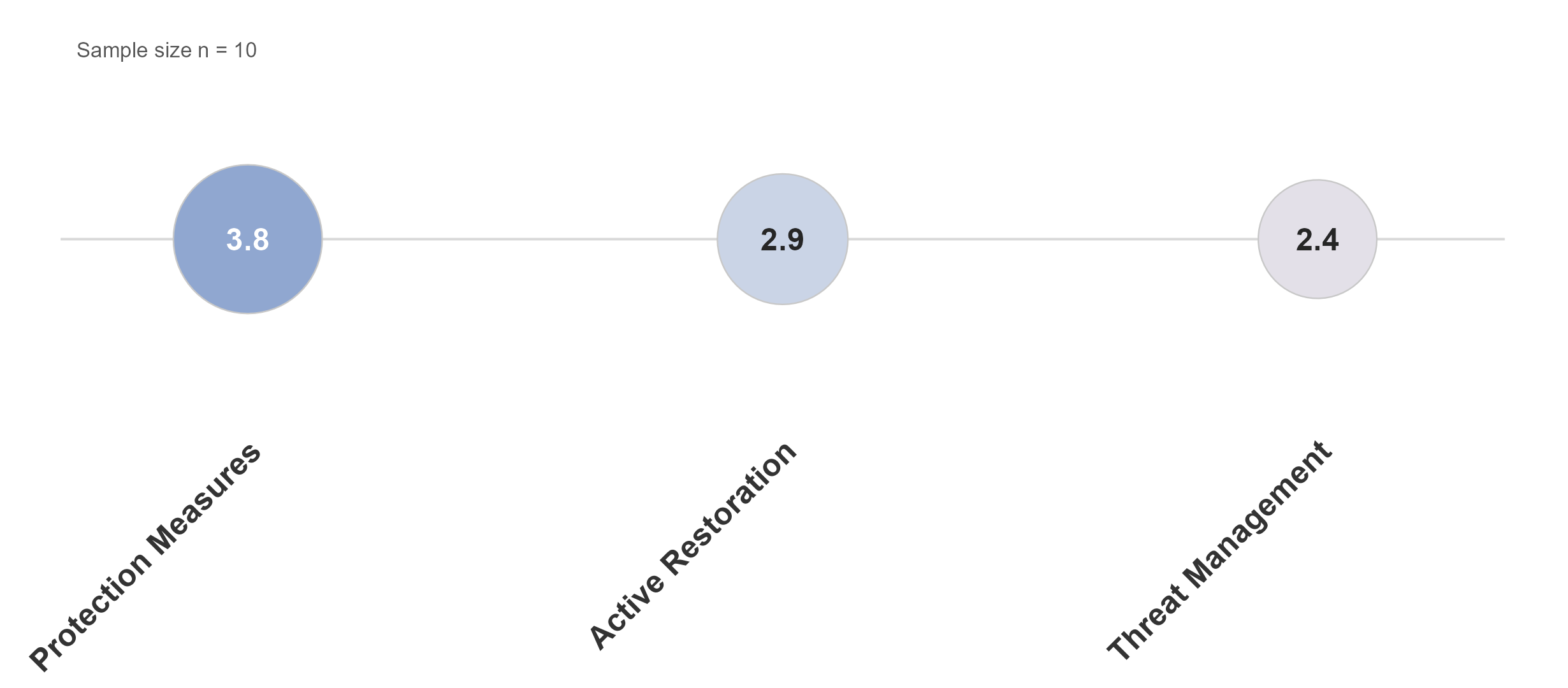
California is experiencing a surge of innovative initiatives aimed at protecting and restoring kelp forest ecosystems. These efforts span research, experimental restoration, and stewardship programmes designed to address critical knowledge gaps and enhance ecosystem resilience. Central to this movement are strategic frameworks such as area-based target setting, exemplified by the Governor’s landmark 30×30 Executive Order, which established a goal of conserving 30% of California’s lands and coastal waters by 2030, alongside the development of a comprehensive Kelp Restoration and Management Plan. Tribally led monitoring, management, and restoration initiatives are also advancing, supporting Tribal sovereignty and stewardship of ancestral territories (e.g., Kelp Guardians of the Tolowa Dee-ni’ Nation, the Chumash Heritage National Marine Sanctuary, and the Tribal Marine Stewards Network). Kelp restoration is increasingly embedded within broader marine conservation and climate adaptation policies, positioning kelp forests as a cornerstone of California’s biodiversity and climate resilience agenda. In alignment with these priorities, multi-acre experimental recovery projects have launched across Northern, Central, and Southern California, including Caspar Cove, the Greater Farallones National Marine Sanctuary, the Tanker Reef and Big Sur Reef Restoration projects, and the Palos Verdes restoration efforts (Grebner et al. 2025). To improve outcomes, many initiatives are evaluating both ecological and social dimensions of in-water recovery techniques. These include grazer suppression strategies—primarily targeting native purple sea urchins through hand harvesting, culling, and trapping—and kelp enhancement approaches such as outplanting using seed-banked spores, aquaculture cultivation, spore bags, seeded lines and tiles, ARKEVs, and green gravel. Complementary research is examining future environmental conditions, including thermal tolerance thresholds and predictive models to forecast kelp loss and identify optimal restoration locations and windows. Nature-based solutions are also being explored, including efforts to reintroduce the nearly extinct sunflower sea star (Pycnopodia helianthoides) through captive breeding and strategic planning led by the Pycnopodia Recovery Working Group and the Pacific Coast Ocean Recovery Initiative. While kelp restoration in California remains largely experimental, practitioners have embraced a “learn-by-doing” approach, advancing science in action and reflecting a growing commitment to restoring kelp forests for future generations.
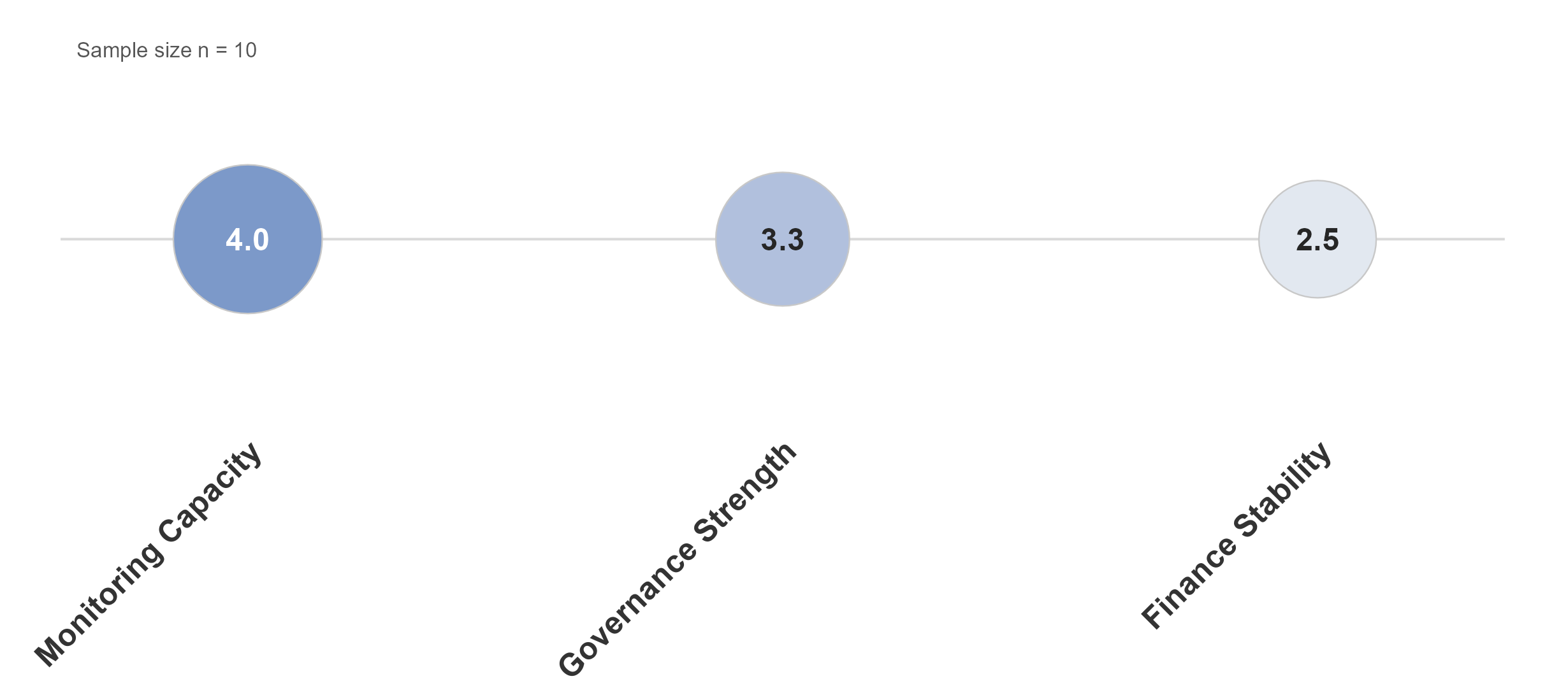
Several factors have accelerated kelp conservation in California. Long-term subtidal monitoring programmes (e.g., PISCO, SBC LTER, Reef Check) have generated standardized datasets tracking ecosystem responses to marine heatwaves and predator loss, informing baselines and management decisions, including assessments of California’s 124-site MPA network (currently contributing ~16% toward 30×30 targets; California Ocean Protection Council 2025). Advances in kelp canopy mapping (Saccomanno et al. 2023; kelpwatch.org) have further strengthened data-driven planning. State-supported monitoring, combined with grassroots initiatives, has produced a framework that is both scientifically rigorous and socially inclusive. Targeted funding programmes—such as the 2020 Kelp Research Program and the 2024 Accelerating Kelp Research Program—have supported experimental recovery, capacity building, and strategy development. Although kelp loss has historically outpaced restoration, Proposition 4 provides a pathway to scale restoration and meet acreage targets. Community outreach through festivals, public platforms, and online resources has further expanded public engagement and support.