Alaska

Kelp Region

Alaska

Alaska’s remote coastline makes kelp monitoring difficult. Two broad datasets, historic canopy mapping and modern ShoreZone surveys, suggest canopy kelp is stable in Southeast Alaska and expanding in Southcentral Alaska, unlike declines farther south. Growth in seaweed farming is driving new mapping and research on warming, glacial melt, salinity and sediment, plus genetics of wild and farmed interactions. Next steps include repeat “sentinel” sites, led with coastal communities and Alaska Native partners.

Pledges Status

Committed To The Kelp Forest Challenge:

No
We accept pledges to protect or restore kelp forests, increase awareness, assist conservation projects, or inspire the world. If you think you can help the kelp, let us know.

Area Restored Or Protected

  • Top 4 Area Restored By Species

    ha restored
    Fucus gardneri
  • Total Area Protected

    ha protected

Community Statistics

  • Size of the Community

  • Size of the Community

  • Number of Restoration Projects

    How many projects have started or completed restoration efforts within this Region.
  • Related Papers

    We need knowledge to inform our decisions, see all the research papers published to help manage kelp forests within the Region.

Ecosystem Services

  • Top 4 Genus Restored (Ha):

    genera
    projects
    Fucus

View Metrics

People living within 50km of kelp forests:

685,659

GDP(B) within 50KM of Kelp:

$24.47 billion

Ocean Warming Rate by 2100 (°C):

3.08 °C

KM2 of Kelp:

92,915

Key Species:

Nereocystis luetkeana

Macrocystis pyrifera

Alaska’s low population density may have helped its kelp forests avoid the widespread declines seen elsewhere. With growing public support for kelp mariculture, the region now presents a valuable opportunity to expand monitoring and conservation efforts.

Historically, Alaska has lacked sustained, large-scale monitoring and restoration of kelp forests. As a result, rapid ecological changes driven by major climatic and environmental shifts over the past century have been difficult to detect. Only two wide-scale kelp surveys have been conducted: early 20th-century canopy kelp mapping undertaken to identify domestic sources of potash salts, and the ShoreZone surveys, which mapped 94% of Alaska’s nearshore habitat between 2001 and 2016 (Hollarsmith et al. 2024).

A recent integration of these two datasets for Eualaria fistulosa, Nereocystis luetkeana, and Macrocystis pyrifera found evidence of increased kelp extent and overall ecosystem stability following trophic and geological disturbances (Hollarsmith et al. 2024). Additional small-scale mapping efforts have focused on N. luetkeana in Southeast Alaska (Alaska Ocean Observing System 2022). Parallel efforts are underway to identify wild kelp beds to supply healthy seed stock for farming, assist kelp farmers with state permitting requirements, and support NOAA’s Aquaculture Opportunity Areas (AOA) identification process (NOAA 2025).

In recent years, kelp research in Alaska has been driven largely by the rapid growth of the mariculture sector. While industry-focused, this research has direct relevance for conservation. Studies show that climate-driven changes in temperature, salinity, and sediment load—linked to glacial melt—affect the growth and reproduction of N. luetkeana and Alaria marginata, two native and commonly farmed species (Farrugia Drakard et al. 2025). Ongoing research is also examining the population structure of wild kelp across Alaska to understand connectivity and assess genetic interactions between farmed and wild populations (Alaska Mariculture Cluster 2025).

Despite these advances, there remains a clear need for coordinated kelp mapping across Alaska’s extensive coastline. Hollarsmith et al. (2024) recommend identifying sentinel kelp beds for regular monitoring to help detect climate vulnerability and guide future conservation or restoration efforts.
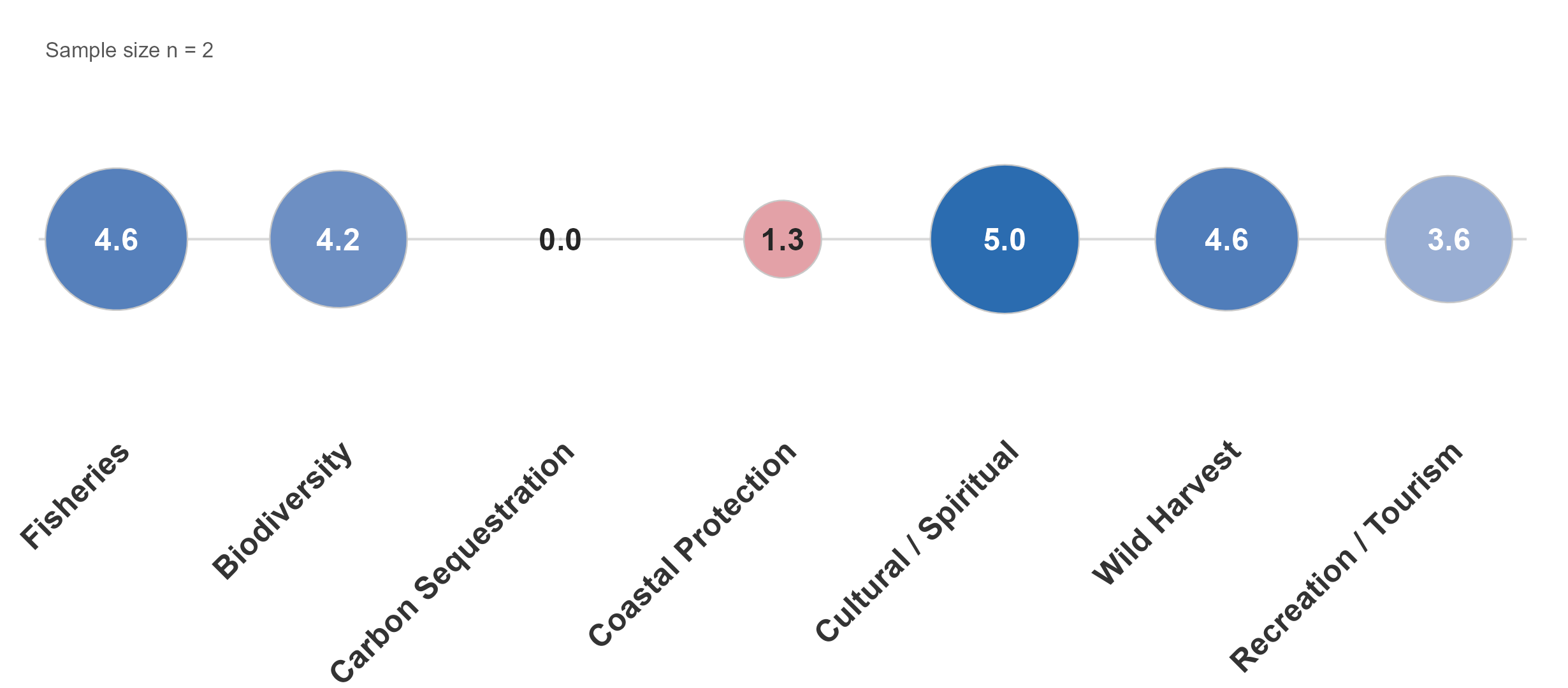
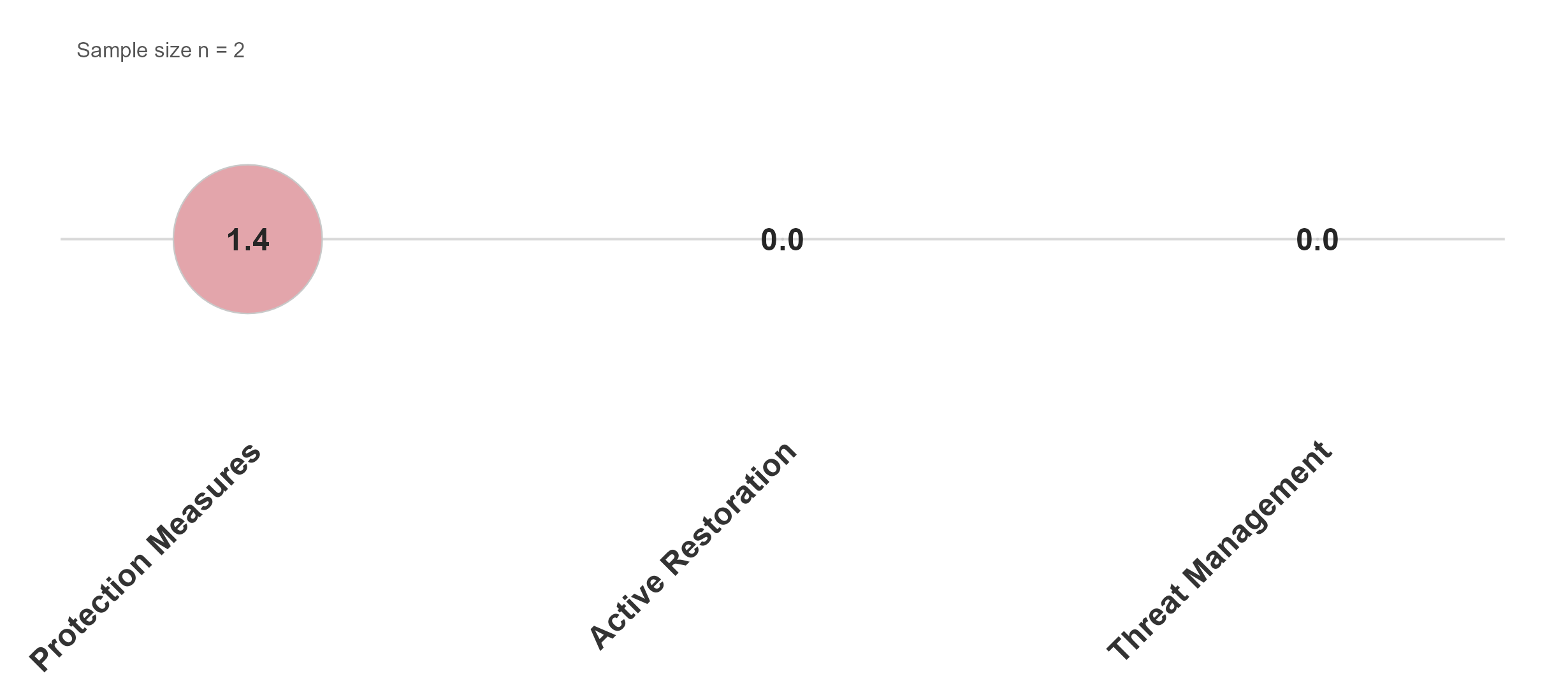
The expansion of Alaska’s mariculture industry has increased kelp research capacity, public awareness, and community engagement, generating valuable datasets on climate stressors affecting key species. NOAA and Alaska-based universities have established mariculture programmes well positioned to support kelp research and regulation. Additional stakeholders—including the Alaska Fisheries Development Foundation, the Alaska Mariculture Cluster, and the Alaska Mariculture Alliance—have a vested interest in kelp conservation and restoration. Coastal communities and Alaska Native entities are closely aligned with conservation goals, making their involvement essential to future initiatives.
Kelp holds deep cultural significance for many of Alaska’s coastal communities, and this sense of stewardship has helped drive research, funding, and industry development. National and institutional investment in mariculture has catalysed regulatory engagement and provided a roadmap for industry-focused research. Additional funding will be necessary to define conservation priorities and support coordinated working groups and initiatives.
Moss Landing Marine Laboratory
University of Alaska