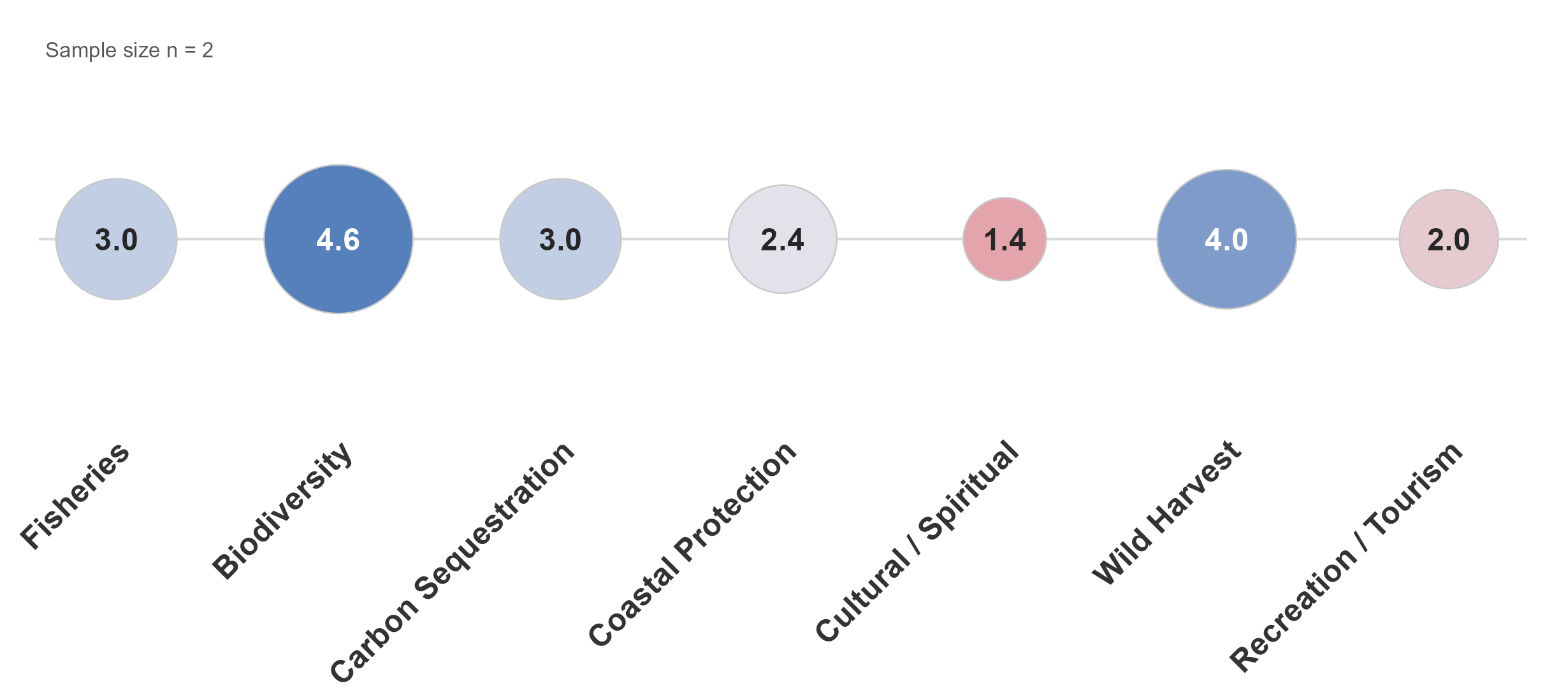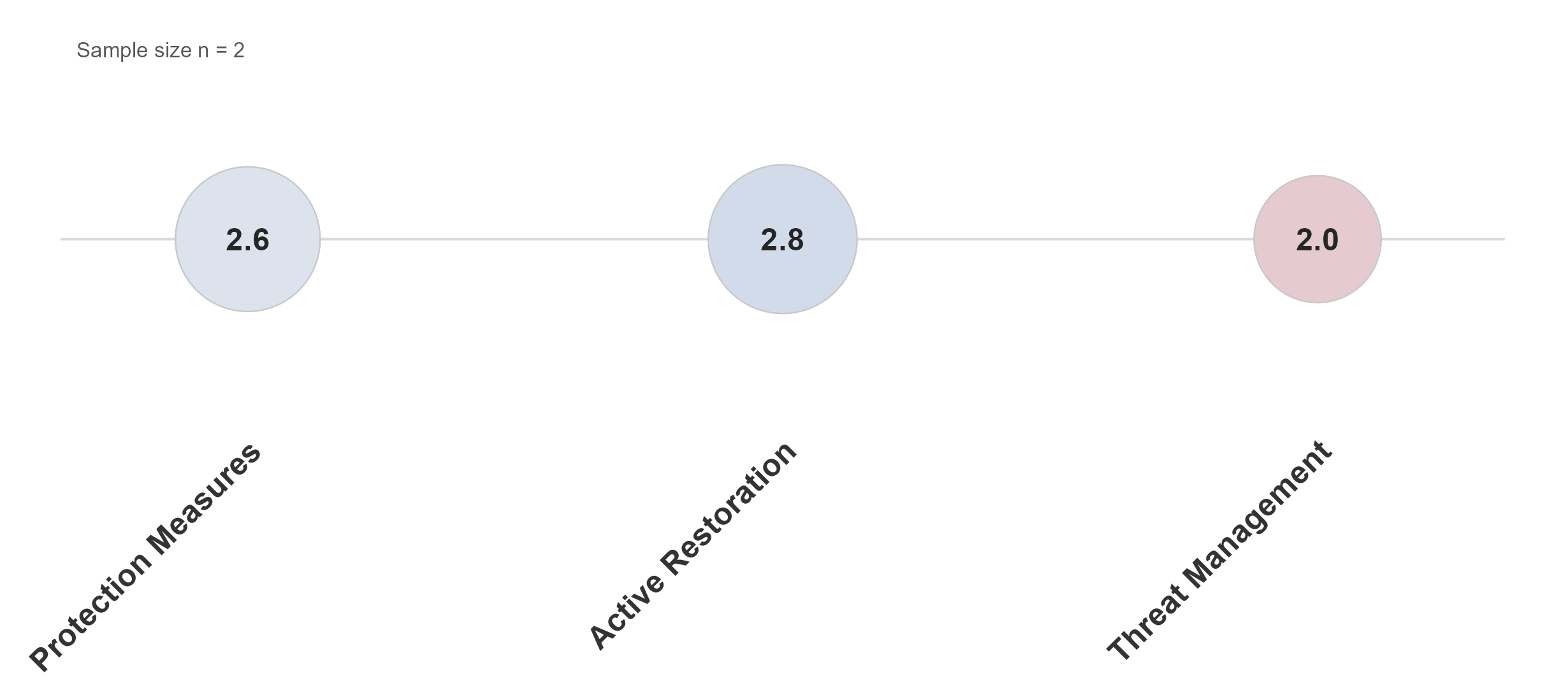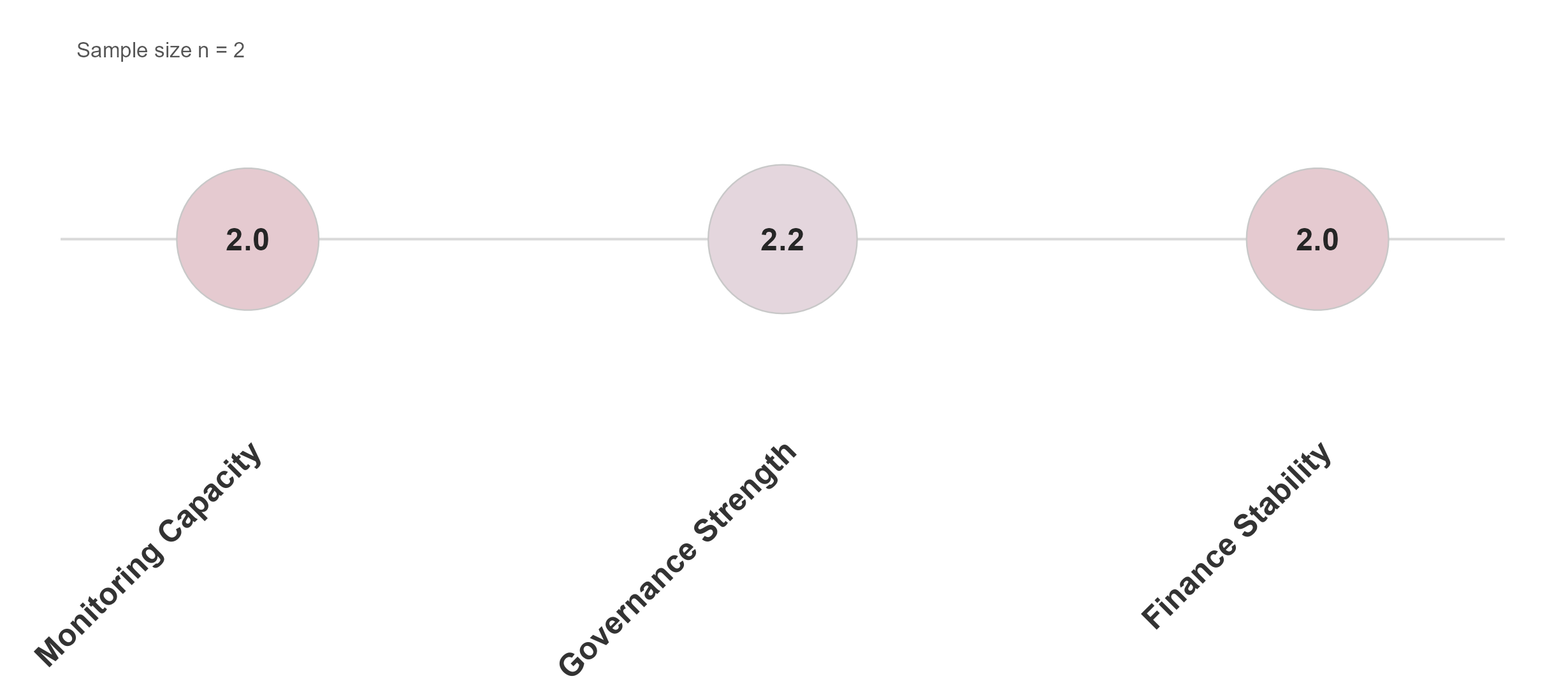
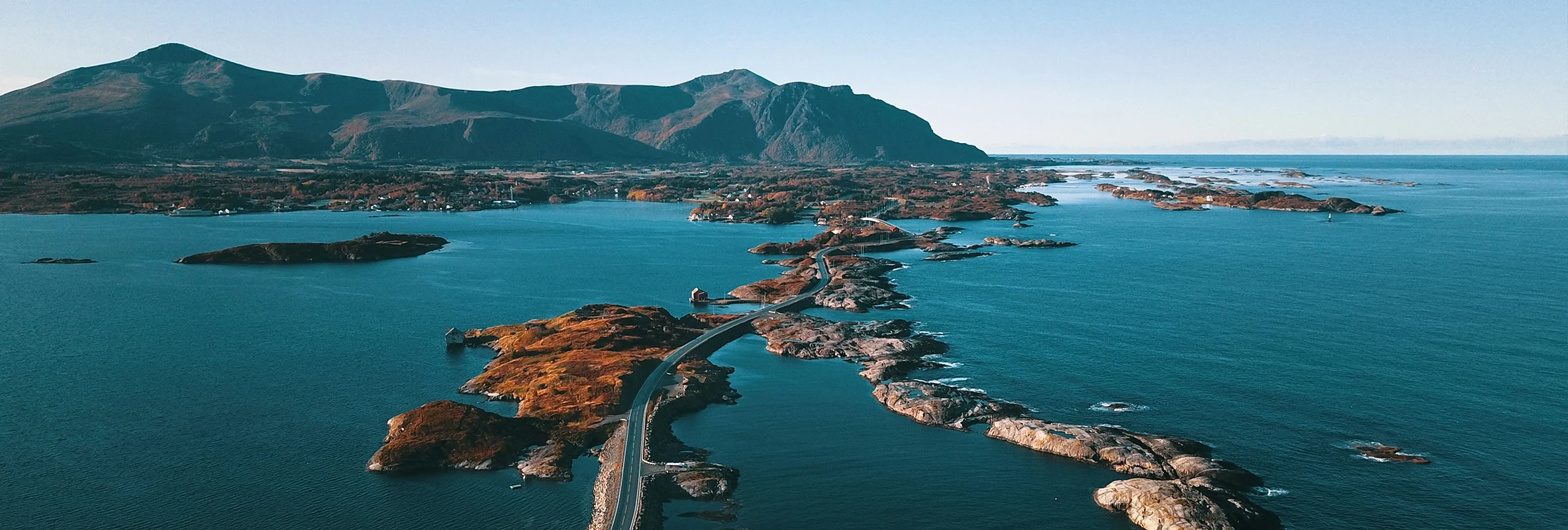
Norway’s experience shows that when kelp forests collapse under chronic stressors, recovery is slow and costly. Government is moving toward a dedicated kelp management plan that includes restoration. Targeted sea urchin removal is underway with municipalities, state agencies, NGOs and private partners, alongside other trials. Opportunity is to link kelp recovery to priorities like coastal water quality and ecosystem service valuation, and use finance mechanisms such as biodiversity credits to fund larger efforts, potentially alongside urchin fisheries that reduce grazing pressure.

View Metrics

People living within 50km of kelp forests:
5,305,133GDP(B) within 50KM of Kelp:
$174.47 billionOcean Warming Rate by 2100 (°C):
2.26 °CKM2 of Kelp:
52,068Key Species:

Laminaria hyperborea

Saccharina latissima
Norway has increasingly positioned kelp forest restoration as a national priority, linking it to marine ecosystem health, fisheries recovery, and climate adaptation. Government agencies have acknowledged the ecological and economic costs of kelp forest collapse, particularly where overgrazing by sea urchins has driven long-lasting deforestation. In response, the national government has mandated the development of a kelp forest management plan that includes restoration (Norderhaug et al. 2025). State and private actors—including Bellona, Urchinomics, local municipalities (e.g., Lofoten), and the Tarevoktere (“Kelp Guardians”)—are supporting targeted urchin removal. These efforts may expand beyond manual removal to include quickliming (application of CaCO₃; Christie et al. 2024).
Norway’s restoration potential is strengthened by its ability to link kelp recovery to adjacent policy goals. Efforts to improve coastal water quality through eutrophication control, for example, align with kelp’s role in nutrient cycling. Likewise, Norway’s exploration of biodiversity credits and ecosystem service valuation (e.g., the Global Ecosystem Assessment of Kelp project; Zimmerhackel et al. 2025) could create a stronger financial case for kelp recovery at scale. National coordination through the Blue Forests Network, alongside regional collaborations, offers a pathway to share lessons, align monitoring approaches, and build durable support. Norway is also well placed to develop a robust “kelp economy” that pairs ecological recovery with innovation in aquaculture, shipping, or tourism. Urchin fisheries and ranching remain promising industries that could help facilitate kelp restoration at meaningful scales.
Early momentum has been driven by a combination of political signalling and practical experimentation. The visibility of urchin removal programmes has helped galvanise public interest, while state support has lent legitimacy and created space for private investment and academic collaboration. Norway’s strong capacity for marine innovation, combined with public willingness to act, is helping build a restoration culture from the ground up.