Oregon

Kelp Region

Oregon

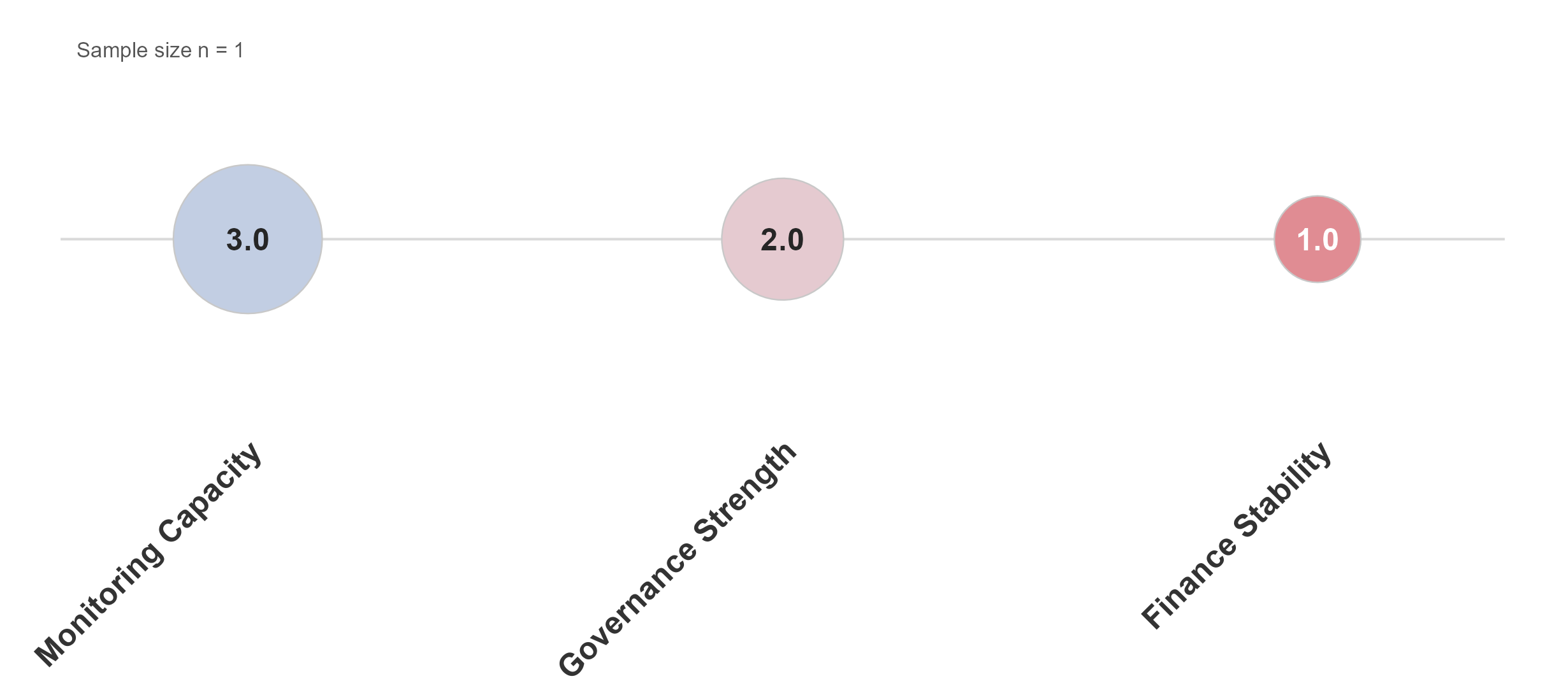
Oregon’s kelp conservation is driven by Tribal leadership and community groups. A major policy change now authorizes trained divers to remove overgrazing sea urchins, turning urchin control into an accepted management tool. Funding still relies heavily on federal programs and philanthropy, but projects also build local skills and jobs. Oregon’s opportunity is to scale up using years of relationships, infrastructure and region-tested techniques, supported by unusually broad political backing.

Pledges Status

Committed To The Kelp Forest Challenge:

No
We accept pledges to protect or restore kelp forests, increase awareness, assist conservation projects, or inspire the world. If you think you can help the kelp, let us know.

Area Restored Or Protected

  • Top 4 Area Restored By Species

    ha restored
  • Total Area Protected

    ha protected

Community Statistics

  • Size of the Community

  • Size of the Community

  • Number of Restoration Projects

    How many projects have started or completed restoration efforts within this Region.
  • Related Papers

    We need knowledge to inform our decisions, see all the research papers published to help manage kelp forests within the Region.

Ecosystem Services

  • Top 4 Genus Restored (Ha):

    genera
    projects

View Metrics

People living within 50km of kelp forests:

312,309

GDP(B) within 50KM of Kelp:

$17.3 billion

Ocean Warming Rate by 2100 (°C):

2.5 °C

KM2 of Kelp:

5,395

Key Species:

Nereocystis luetkeana

Macrocystis pyrifera

Kelp restoration in Oregon is an opportunity to do more than heal a habitat—it is a way to strengthen communities, create jobs, and reconnect people to place.

In Oregon, new momentum has been catalysed by a grassroots surge in community and Tribal involvement. The Tolowa Dee-ni’ Nation, Confederated Tribes of the Siletz Indians, and the Coquille Indian Tribe, among others, have emerged as key partners in kelp restoration through hands-on stewardship and cultural leadership. Prominent Tribal advocacy has focused on sea otter reintroduction, particularly through the non-profit Elakha Alliance, which has helped raise awareness of Oregon’s kelp forest ecosystems. The Oregon Kelp Alliance, a non-profit organization, has brought together community members, fishers, regulators, university scientists, and community science groups to elevate kelp in the public consciousness and initiate restoration and preservation projects. A notable development has been the formal recognition of sea urchin culling as a legitimate management tool rather than solely a scientific experiment. This shift was formalized through Letters of Authorization issued by the Oregon Department of Fish and Wildlife, enabling trained divers to reduce urchin densities in targeted areas. While state agencies have supported flexible regulatory pathways, most funding for kelp stewardship has come from federal sources and private philanthropy rather than state budgets. At the same time, restoration is being framed as a workforce opportunity, linking ecological recovery with economic development in rural and coastal communities.
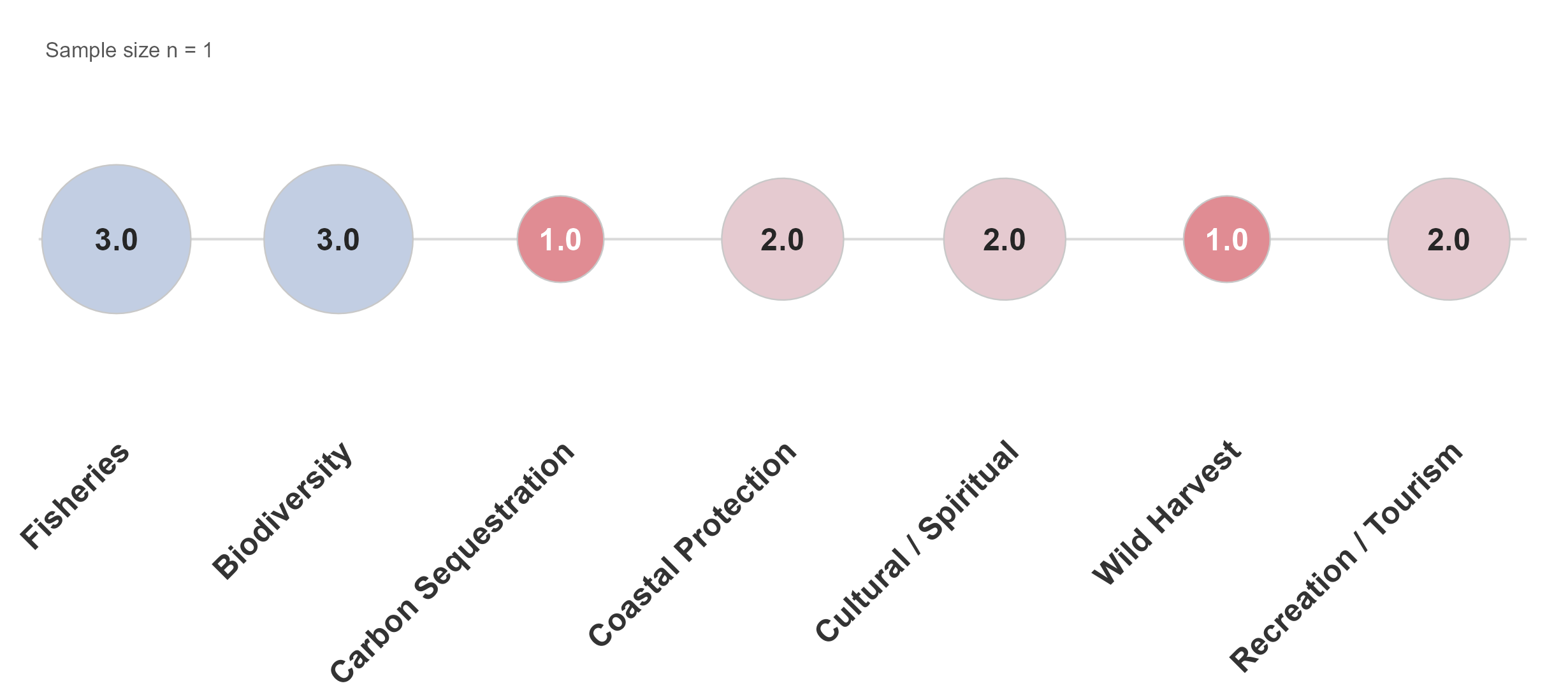
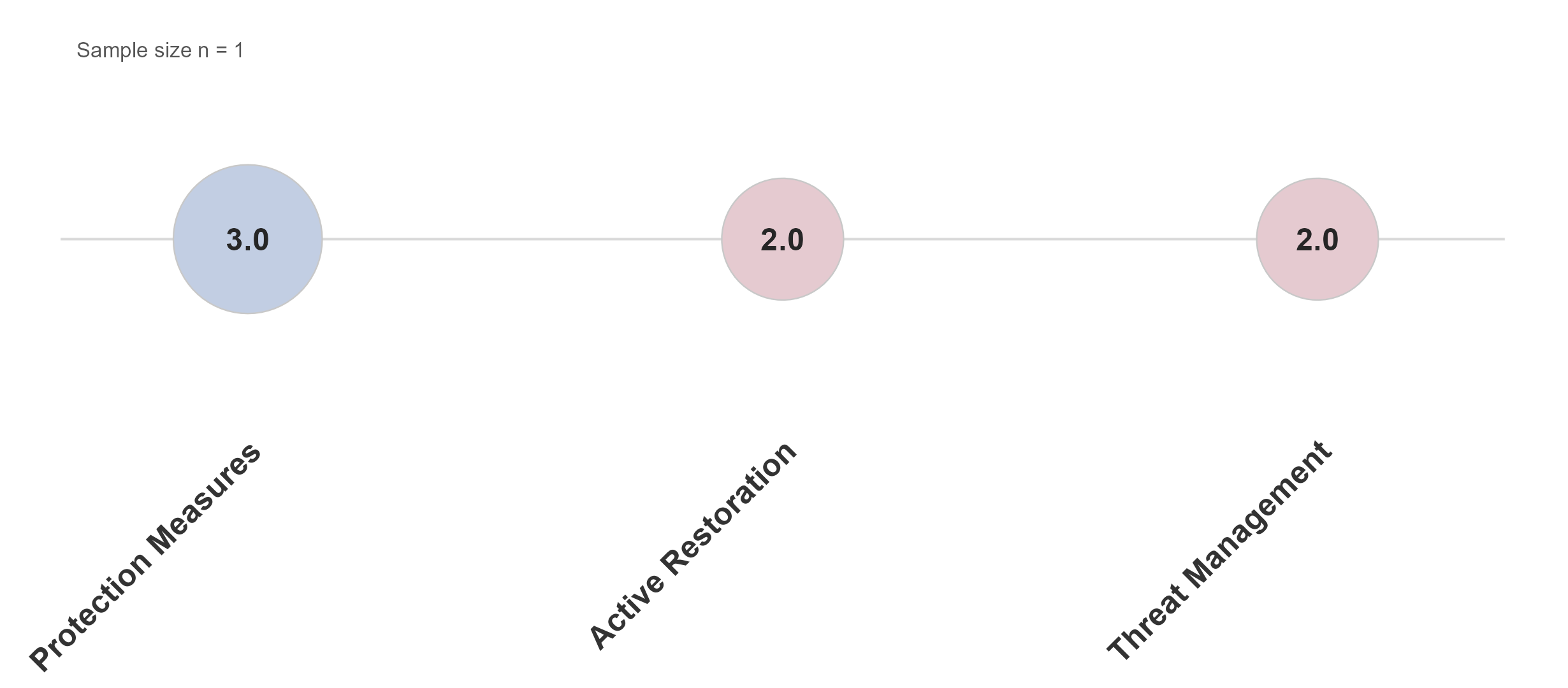
Oregon’s path forward sits at the intersection of ecological renewal and economic revitalization. A decade of groundwork has established the necessary infrastructure, data, regulatory pathways, and regionally appropriate restoration techniques (Hamilton et al. 2024). As a result, community buy-in is high, and bipartisan support for kelp recovery represents a rare political advantage. Restoration-linked mariculture—such as kelp farming integrated with habitat enhancement—offers a compelling model for job creation and ecosystem service delivery. Non-profits are also experimenting with storytelling, visioning workshops, and “before-and-after” demonstration sites to build public support and frame restoration as both hopeful and achievable. There is further opportunity to deepen collaboration with Indigenous communities, not only in implementation but also in governance and knowledge-sharing (Hamilton et al. 2024). With adequate regulatory pathways and political support, kelp restoration and preservation in Oregon could scale rapidly.
Oregon’s progress has been driven by enabling direct participation. Community members are not only consulted; they are trained and authorized to act. This hands-on approach, paired with regulatory flexibility and growing public awareness, has helped overcome early inertia. The combination of local empowerment, Indigenous leadership, and clear policy mechanisms—such as the LOA system—has eased the transition from interest to action. Ongoing engagement between state agencies and the Oregon Kelp Alliance has fostered constructive relationships between managers and practitioners, supporting the development of new regulatory pathways for innovative kelp stewardship.