
View Metrics
People living within 50km of kelp forests:
2,066,411GDP(B) within 50KM of Kelp:
$35.62 billionOcean Warming Rate by 2100 (°C):
1.68 °CKM2 of Kelp:
37,024Key Species:
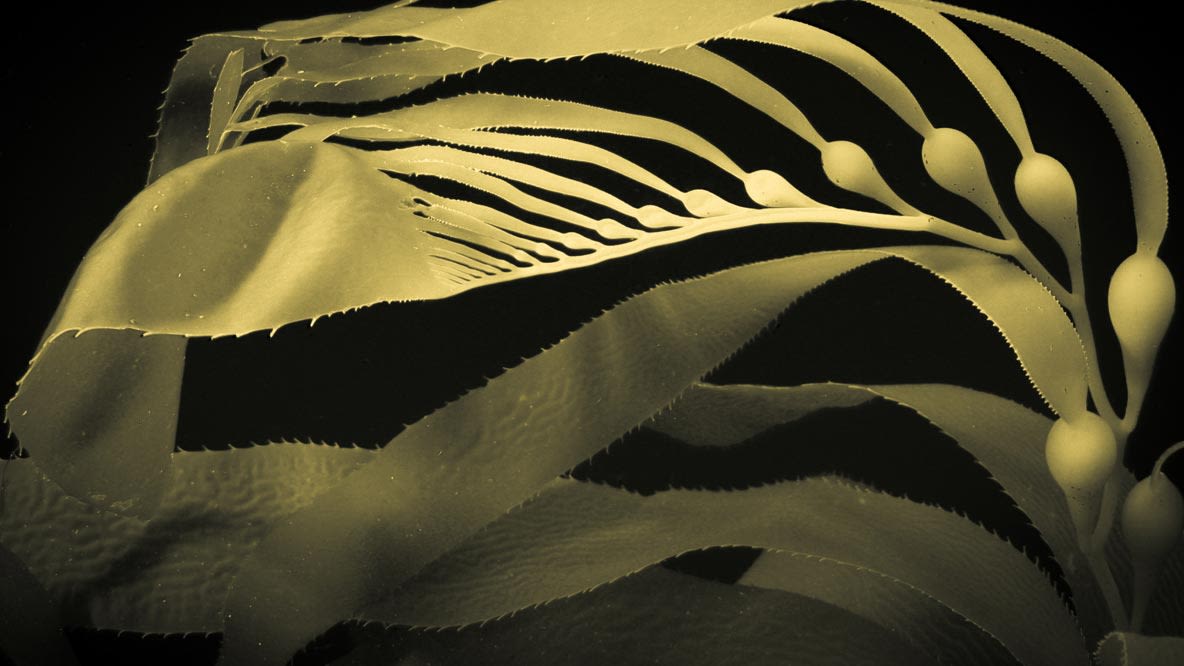
Macrocystis pyrifera
Patagonia (Southwest Atlantic) has emerged as one of the last strongholds of relatively pristine kelp forests worldwide. Recent studies have documented rich kelp-associated biodiversity in sub-Antarctic kelp forests, including taxa not previously reported for the area and the southernmost distribution limits of several species (Bravo et al. 2023; Friedlander et al. 2023). Other work has examined the impacts of urbanisation on the population dynamics and morphological variability of giant kelp (Macrocystis pyrifera) forests (Kaminsky et al. 2024a, b). These surveys also recorded the first algal turf in the Beagle Channel (54°S) and found turf-forming algae dominating understory assemblages at urban sites (Bravo et al. 2023). On the policy front, since 2022 a cascade of protections has elevated kelp forests to matters of local and national significance. The Mitre Peninsula was declared a Protected Natural Area, followed by national recognition of M. pyrifera forests and new provincial legislation in Tierra del Fuego, Antarctica, and South Atlantic Islands mandating protection, research, and sustainable use. Municipal governments have also endorsed kelp protections, reinforcing their cultural and political importance. The Por el Mar Foundation (PEM) has played a central role in raising the profile of kelp forests by leading scientific expeditions, building collaborations among communities, NGOs, government agencies, and research institutes, and positioning Argentina as a contributor to global kelp conservation. Ten scientific campaigns and new international partnerships have expanded exploration, monitoring, and public awareness. Looking ahead, PEM has initiated a pilot M. pyrifera cultivation project in Santa Cruz Province to develop regenerative aquaculture practices and demonstrate how innovation and conservation can reinforce one another.
Intact Patagonian kelp ecosystems offer a rare opportunity to study the ecological mechanisms underpinning persistence in low-impact environments. With relatively low and stable ocean temperatures and low coastal human population density, Patagonian kelp forests are increasingly recognised as climate refugia. International collaborations (e.g., Fundación Por el Mar [Argentina], MasKelp Foundation, Stanford University, COBI [Mexico], TNC [Peru]) create opportunities to co-design management strategies and develop innovative tools, including satellite-based kelp mapping, regenerative aquaculture, environmental DNA, underwater field sampling, and low-cost ocean sensors (Stanford Doerr Accelerator Project). New initiatives are also emerging along intertidal zones of the South Atlantic (Río Grande, 53°S), where extensive M. pyrifera forests represent an atypical global pattern. Expeditions provide a powerful platform for underwater multimedia storytelling that can showcase biodiversity, support citizen science programmes involving local divers and fishers, and strengthen public engagement. Integrating kelp ecosystems into regional education programmes and coastal management plans offers an additional pathway to build awareness and secure long-term protection.