
View Metrics
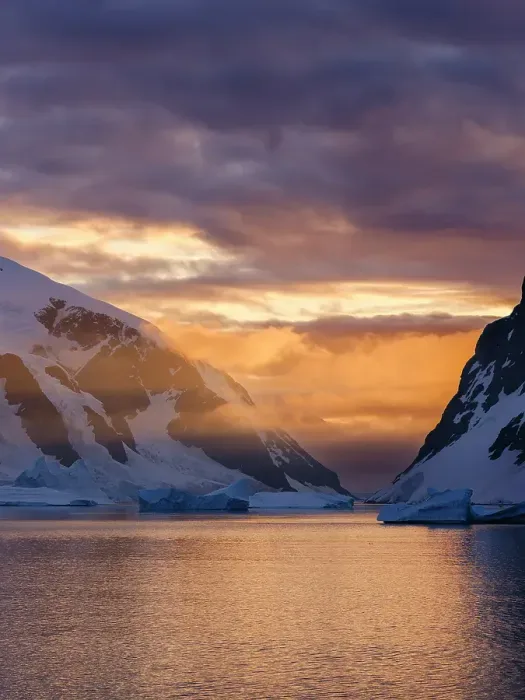
Macroalgal forests appear to be expanding rapidly along the Western Antarctic Peninsula as annual sea-ice cover declines. Recent research at a site with already low annual sea ice found that large brown macroalgae expanded more rapidly than smaller understory species. Across four study sites, estimated macroalgal biomass increased by more than 50% on average over four years, with biomass at one site doubling during that period.
These findings suggest that climate-driven changes in sea ice and coastal conditions are reshaping Antarctic benthic ecosystems, with potentially significant consequences for habitat structure, food webs and carbon cycling.
There is growing recognition within the Antarctic benthic ecology community that macroalgae, particularly large canopy-forming brown algae, are an important source of carbon along the Western Antarctic Peninsula.
These forests support detrital food webs and may contribute to blue carbon production, export and potential sequestration. Opportunities now exist to strengthen collaboration between macroalgal ecologists, carbon-cycle researchers and Antarctic monitoring programs to better quantify these processes and understand how they are changing as the region warms.
The immediate priority in Antarctica is not conventional restoration or direct management intervention. Instead, sustained scientific monitoring and improved recognition of macroalgal forests within Antarctic research and policy discussions are essential.
Long-term ecological studies have been particularly valuable in revealing the speed and scale of change. Continued monitoring will help determine how expanding macroalgal forests affect biodiversity, food webs and carbon cycling across the Western Antarctic Peninsula.