
View Metrics
People living within 50km of kelp forests:
3,430GDP(B) within 50KM of Kelp:
$0.022 billionOcean Warming Rate by 2100 (°C):
1.63 °CKM2 of Kelp:
3,547Key Species:

Macrocystis pyrifera

Durvillaea antarctica
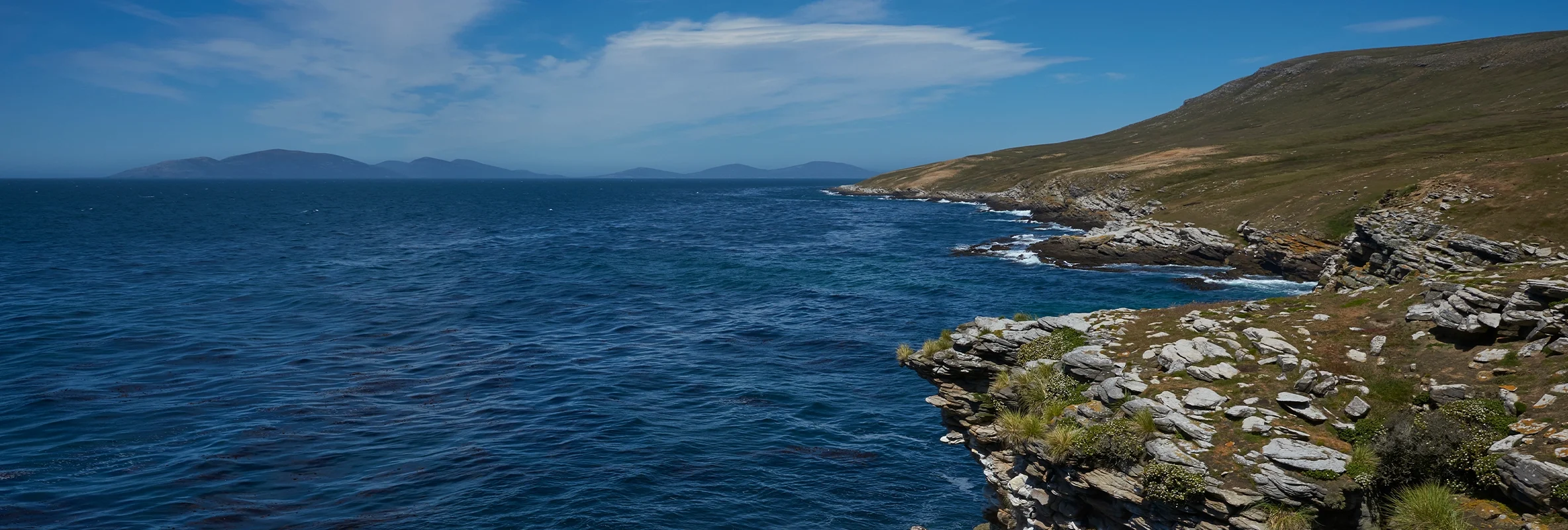
Macrocystis- and Lessonia-dominated kelp forests in the Falkland Islands remain relatively understudied due to their isolation (Beaton et al. 2020). In recent years, however, the region has seen advances in kelp conservation knowledge through new research, policy development, and proposed management measures. In 2023, environmental DNA (eDNA) work catalogued hundreds of kelp-associated species for the first time. Remote sensing has improved understanding of kelp extent and long-term persistence (Mora-Soto et al. 2021; Houskeeper et al. 2022; Assis et al. 2024). Dive surveys complement these approaches, generating density and richness data across benthic, demersal, and intermittent pelagic communities (van der Grient et al. 2023; Van Der Grient et al. 2025). Policy developments are beginning to mirror scientific progress, including proposed legislative frameworks and Marine Managed Area (MMA) designations with drafted protections for nearshore kelp forests and associated ecosystem services (Bax et al. 2022; SAERI 2022).
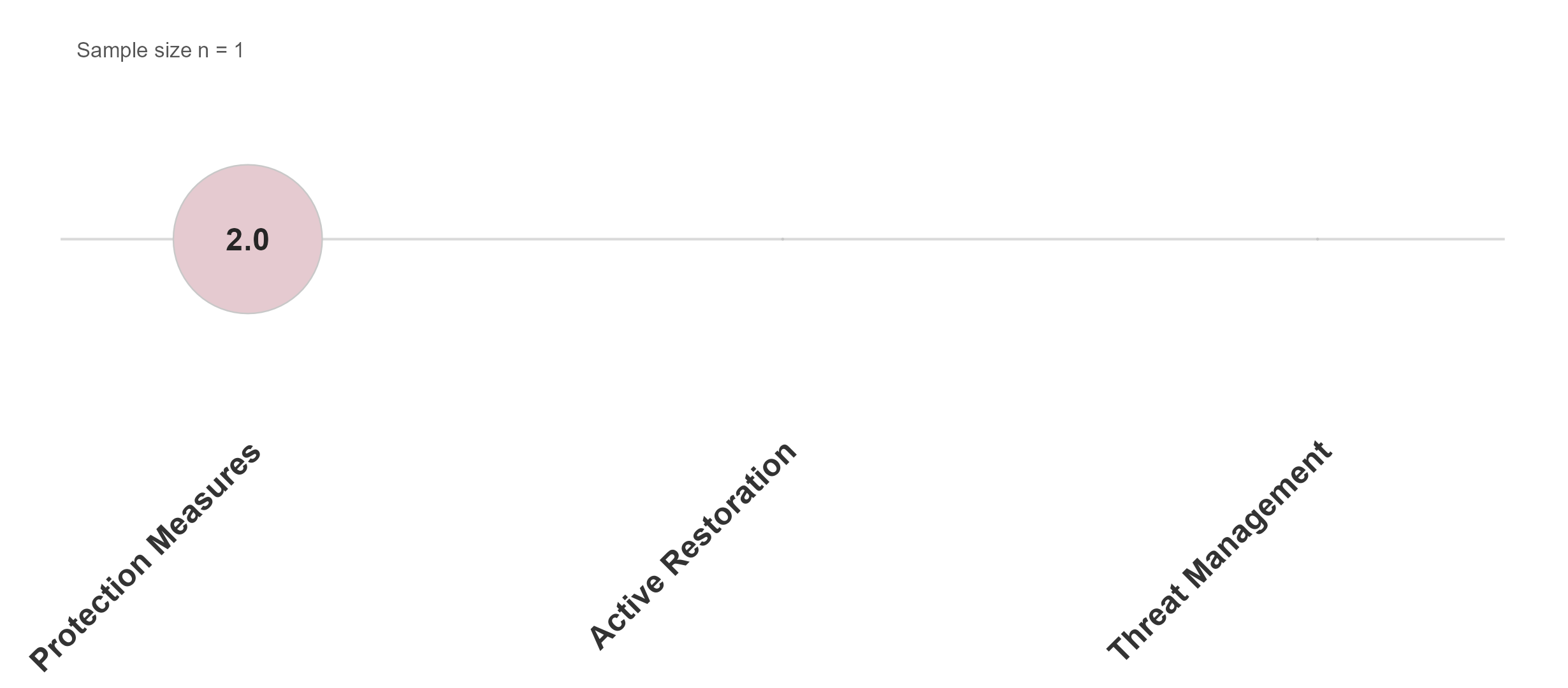
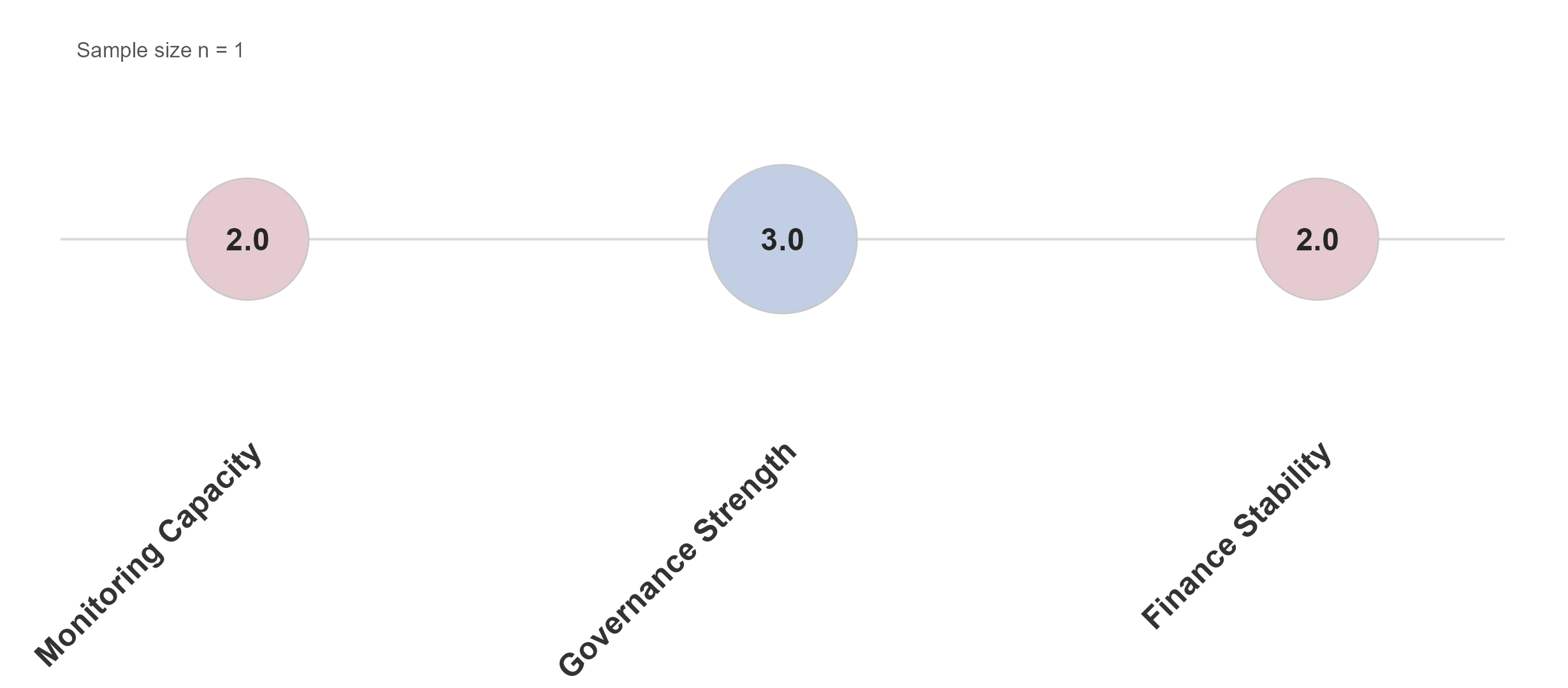
Despite progress, major knowledge gaps remain—particularly on climate-regulating functions, full extent, and biodiversity supported by subtidal Lessonia forests. Capacity and funding constraints also limit large-scale monitoring and management. Nevertheless, Falkland kelp forests are widely considered relatively stable and near-pristine due to isolation, supporting the case for prioritising prevention and safeguarding intact systems (Temel et al. 2018; Golding et al. 2019; Mora-Soto et al. 2021). New surveys (e.g., ROVs, expanded eDNA) and partnerships (e.g., Darwin Plus) could deepen baselines and accelerate discovery of new taxa (Mrowicki and Brodie 2023). These forests may also function as refugia for nearby, more impacted South American systems (Hodgson et al. 2014; Assis et al. 2024). As relatively intact marine forests, the Falklands could serve as a global reference site for restoration and resilience science—though additional work to formally protect these systems locally remains needed (Bax et al. 2022; Arafeh-Dalmau et al. 2025).
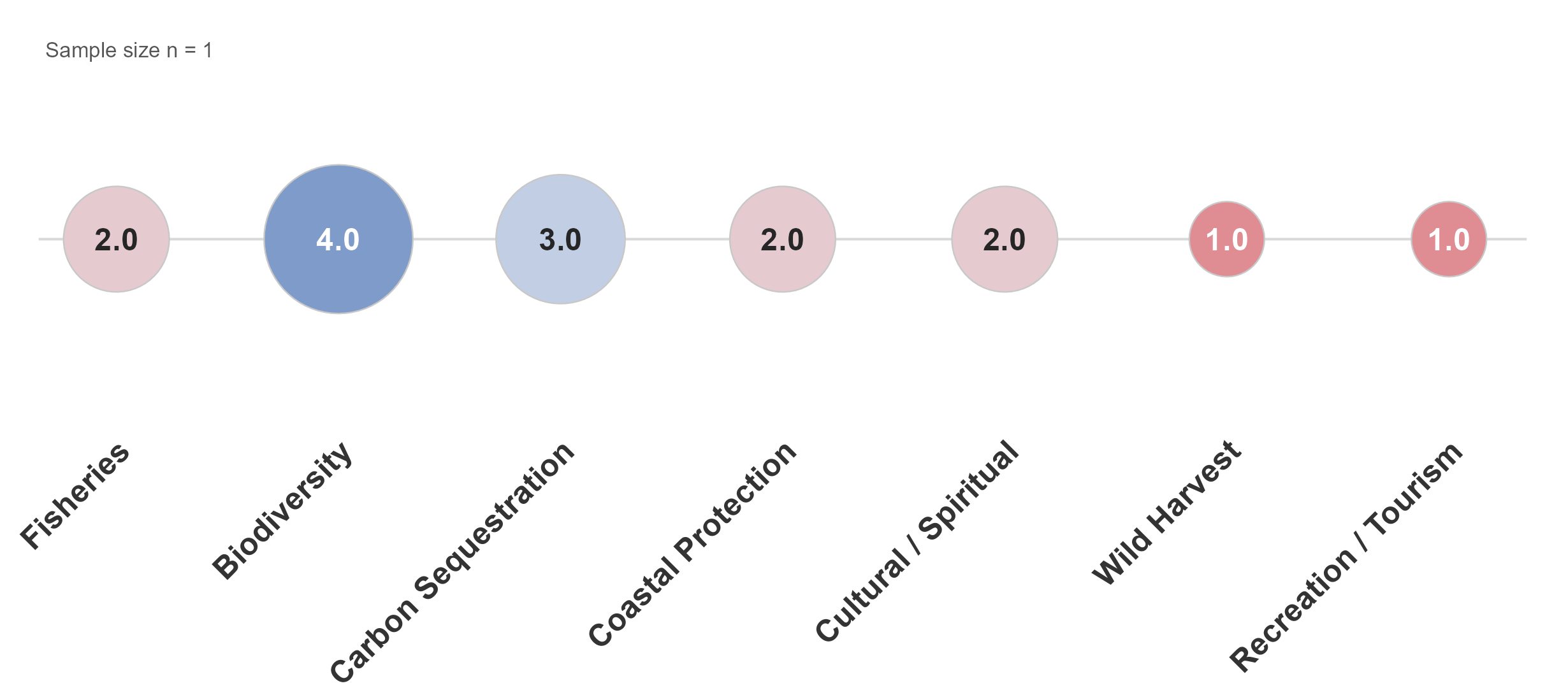
Geographic remoteness has reduced exposure to many pressures affecting other kelp regions (Jones et al. 2018), and the resident population is fewer than 4,000. Recent research has highlighted the foundational ecological role of Macrocystis pyrifera and its ecosystem services, including blue carbon potential (Bayley et al. 2021; Bax et al. 2022). The total economic value of the Falklands’ kelp system has been estimated at approximately £2.69 billion annually. Fisheries within coastal Conservation and Management Zones (FICZ/FOCZ)—some directly or indirectly kelp-dependent—are highly valuable, comprising roughly half of GDP (Arkhipkin et al. 2013). Low local pressure, generally positive perceptions of kelp, and incentives for effective marine management have likely supported stability.
Ongoing marine spatial planning is being enabled by monitoring and evidence-building through groups such as the Shallow Marine Survey Group, along with citizen science (e.g., Falkland Islands Big Seaweed Search) and community/school outreach. Additional support comes through UK-linked environmental legislation and science funding, given the Falklands’ status as a self-governed UK Overseas Territory.