
Indigenous Voices in Kelp Forest Stewardship
Indigenous Voices in Kelp Forest Stewardship
Indigenous Voices in Kelp Forest Stewardship
Indigenous Voices in Kelp Forest Stewardship
Woven from stories, memories, and relationships, this knowledge-sharing work unites voices from the Xhosa, Topnaar, Ngāti Pāoa, Chango, Port Gamble S’Klallam, Haida, Coquille, Dunghutti, and Pictou Landing First Nations, as part of the Global Indigenous Kelp Forest Stewards Community.
Many Indigenous communities across our world's oceans hold invaluable relationships with kelp forests. For these communities, healthy kelp forest ecosystems can represent a healthy ocean and a connection with the sea through reciprocal stewardship, food sovereignty, livelihood, ceremony, technology, spirituality, storytelling, and sustenance.
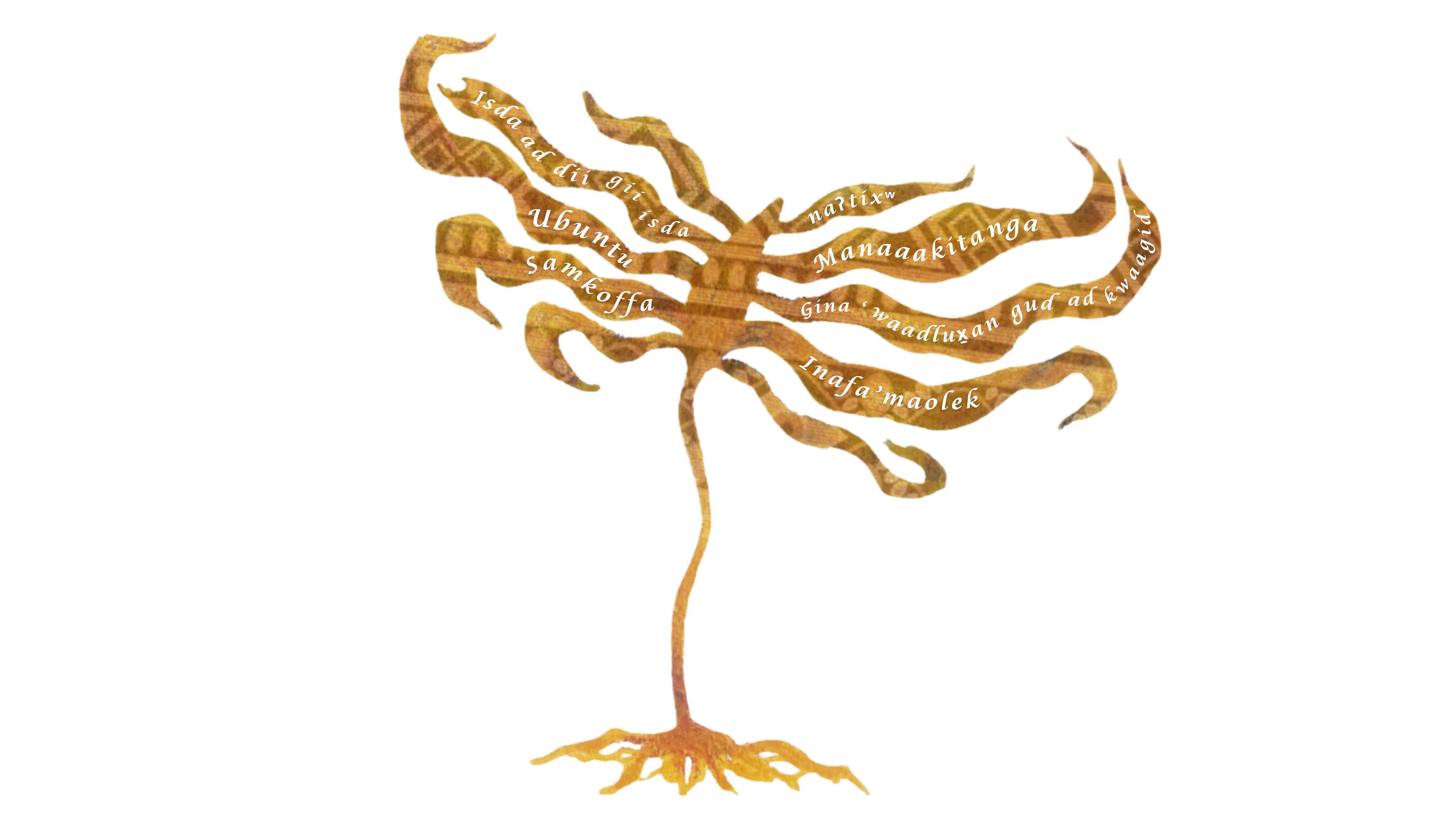
Within the fronds of this Ecklonia radiata, we share important Indigenous kelp forest stewardship teachings.
Respect - naʔtíxʷ in Klallam - begins with listening—to elders, to the place, to our non‑human kin. Reciprocity - Manaakitanga in Māori, Isda ad dii gii isda in the Haida dialect X̱aayda Kil - means we give back as we receive. Gina ’waadlux̱an gud ad kwaagid in the Haida dialect X̱aayda Kil encompasses reciprocal relationships between people and nature. Ubuntu, a South African Xhosa value which directly translates to “humanity,” holds a deeper meaning expressed by the saying “Umntu ngumntu ngabantu,” which roughly translates to “I am because you are, we are because all else is.” This illuminates the reciprocal relationship that Indigenous peoples have with local places, and the privilege humanity holds to be the only species bestowed upon the ability to respond: responsibility in our stewardship. Responsibility - inafa’maolek in Chamorro - means committing to accountability to human and non-human relations in an ecosystem. In Ghanian, the proverb Samkoffa encapsulates the message: “Go back and get it,” or, “To know where you go, you must know where you came from.” The wisdom of the future of restoring kelp ecosystems lies in the past.

1 / 10
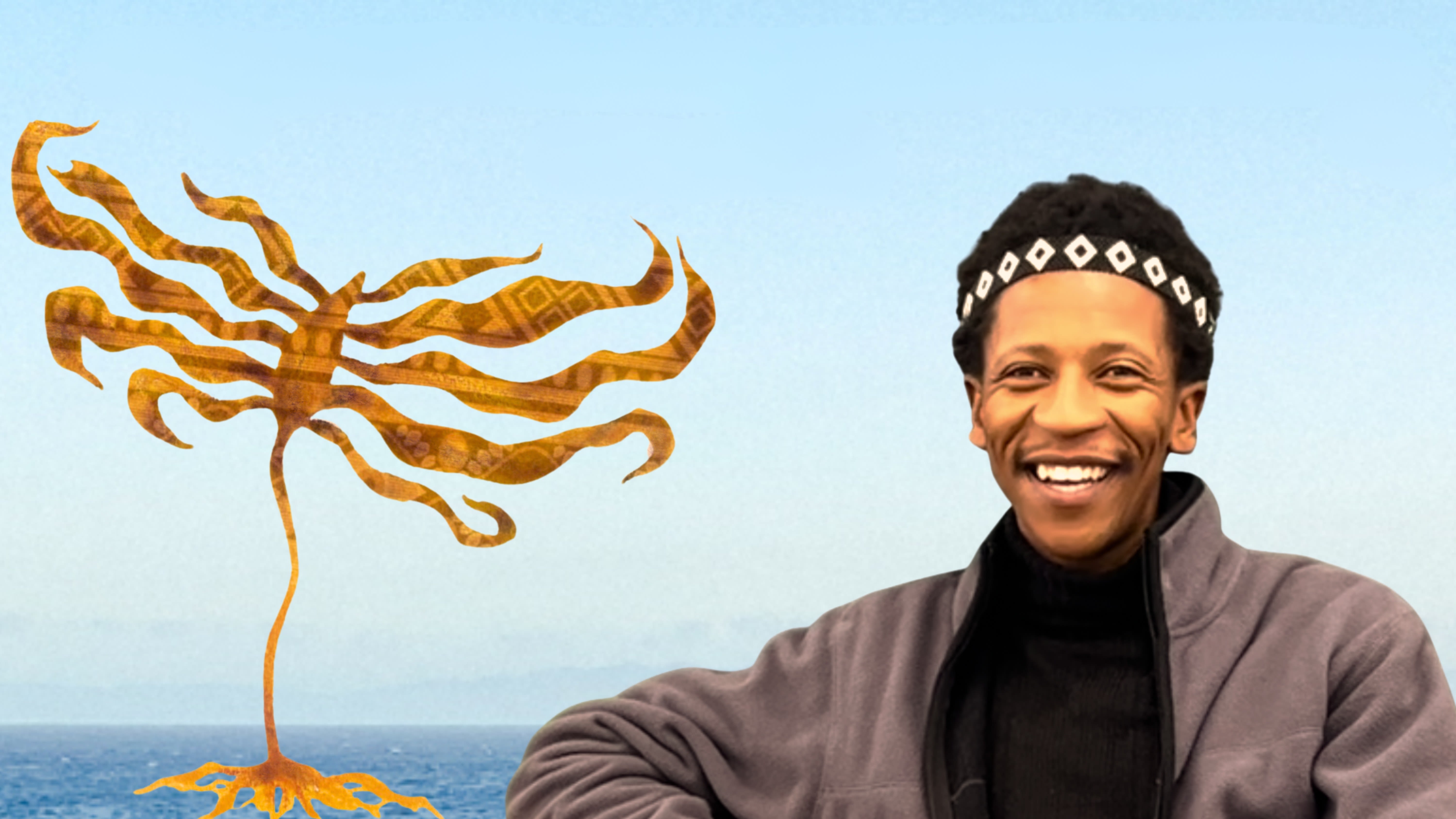
Loyiso Dunga
Xhosa Tribe (South Africa)
Loyiso shares that kelp forests in South Africa are considered to be pristine, and essential to sustaining life, protection of coastlines, and ancestral relationships with Xhosa people. He expresses that kelp forest stewardship should blend scientific research with Indigenous Knowledge, guided by principles such as Samkoffa and Ubuntu.
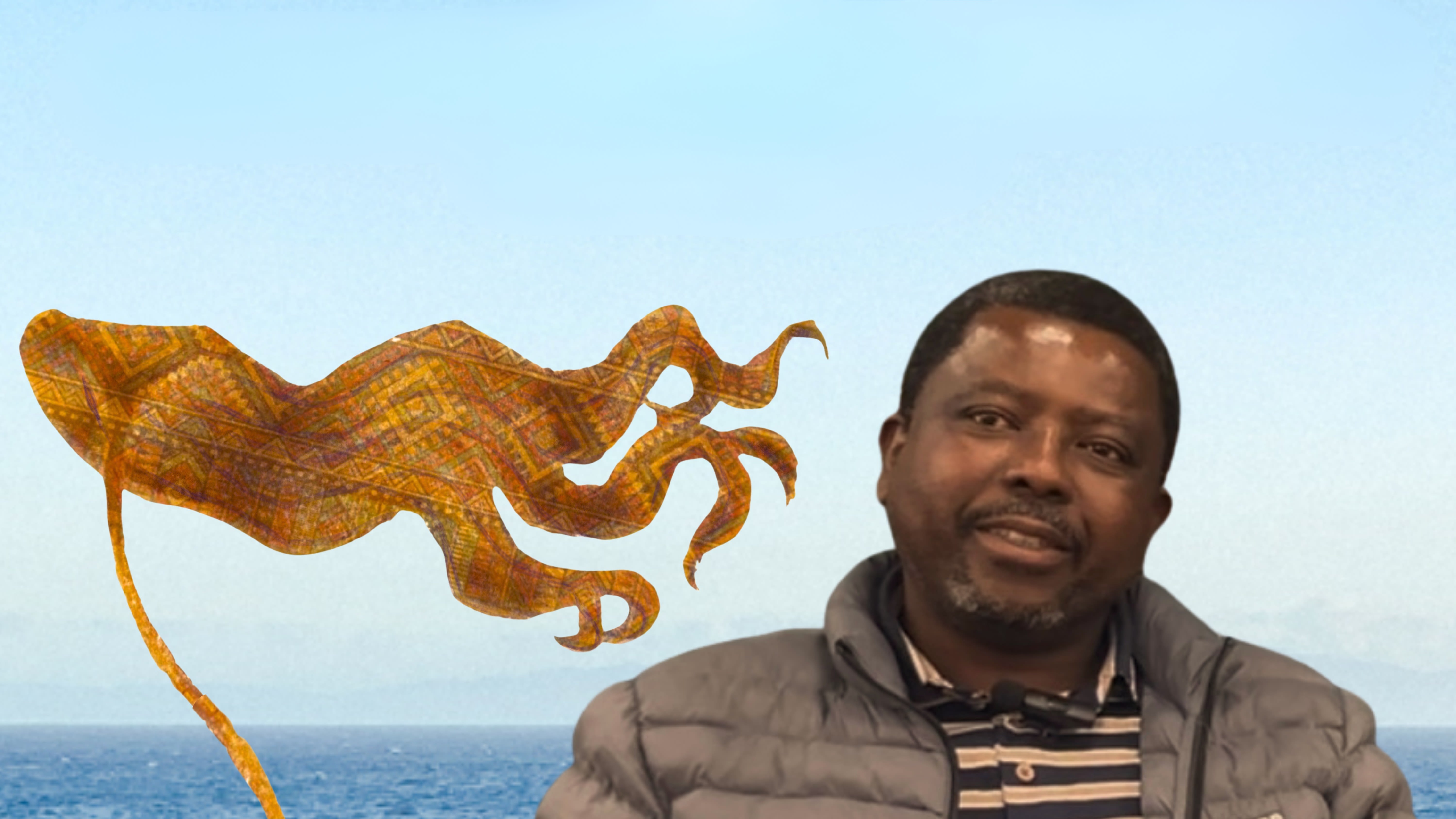
Lineekela Kandjengo
Topnaar Community (Namibia)
Lineekela describes how Namibia’s kelp forests are seen as ecologically stable, but face potential risks from mining, aquaculture, and coastal development. He emphasizes restoring Indigenous communities’ access and relationships to the coast through preferential rights, knowledge exchange, and co-management - essential for sustaining the wellness of both humans and kelp forest ecosystems.
Rodrigo Martínez
Chango Community (Chile)
Rodrigo expresses that Chile's seaweed forests can sustain the entire marine ecosystem - providing habitat for species such as shellfish, crabs, and fish. His message is to protect kelp forests, at the both the local and global level, as they represent life beneath the sea, and a sustainable future for coastal communities.
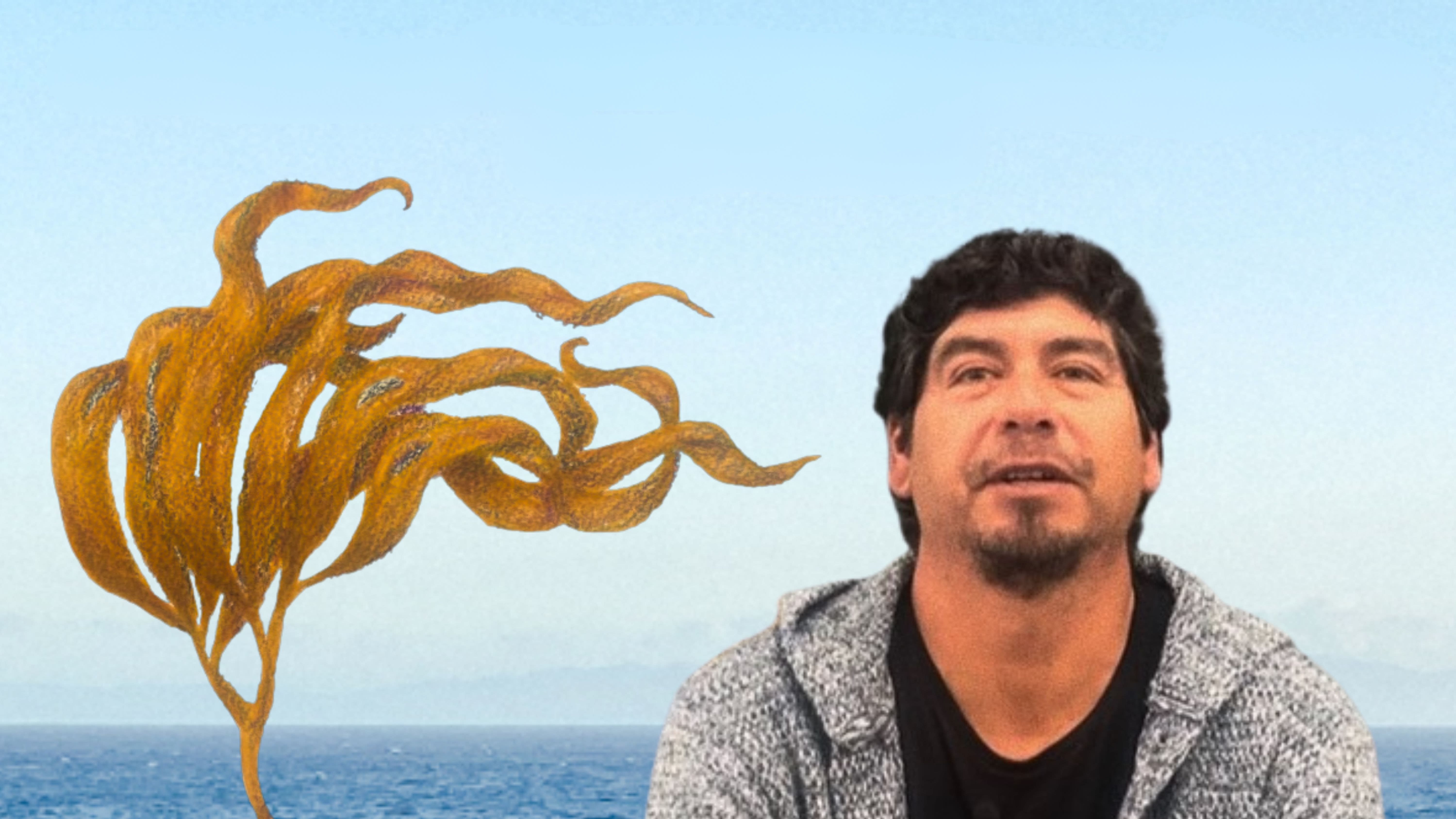
Emily Griffith
Ngāti Pāoa Tribe of the Māori Nation (New Zealand)
Emily views kelp gardens as the heart of the ocean. She expresses how Māori values guide stewardship work - including respectful harvesting of kina, community reciprocity, prayer, and aligning restoration with the Indigenous Ecological Knowledge. She emphasizes that kelp forest stewardship should be a shared, worldwide effort grounded in cross-cultural connection.
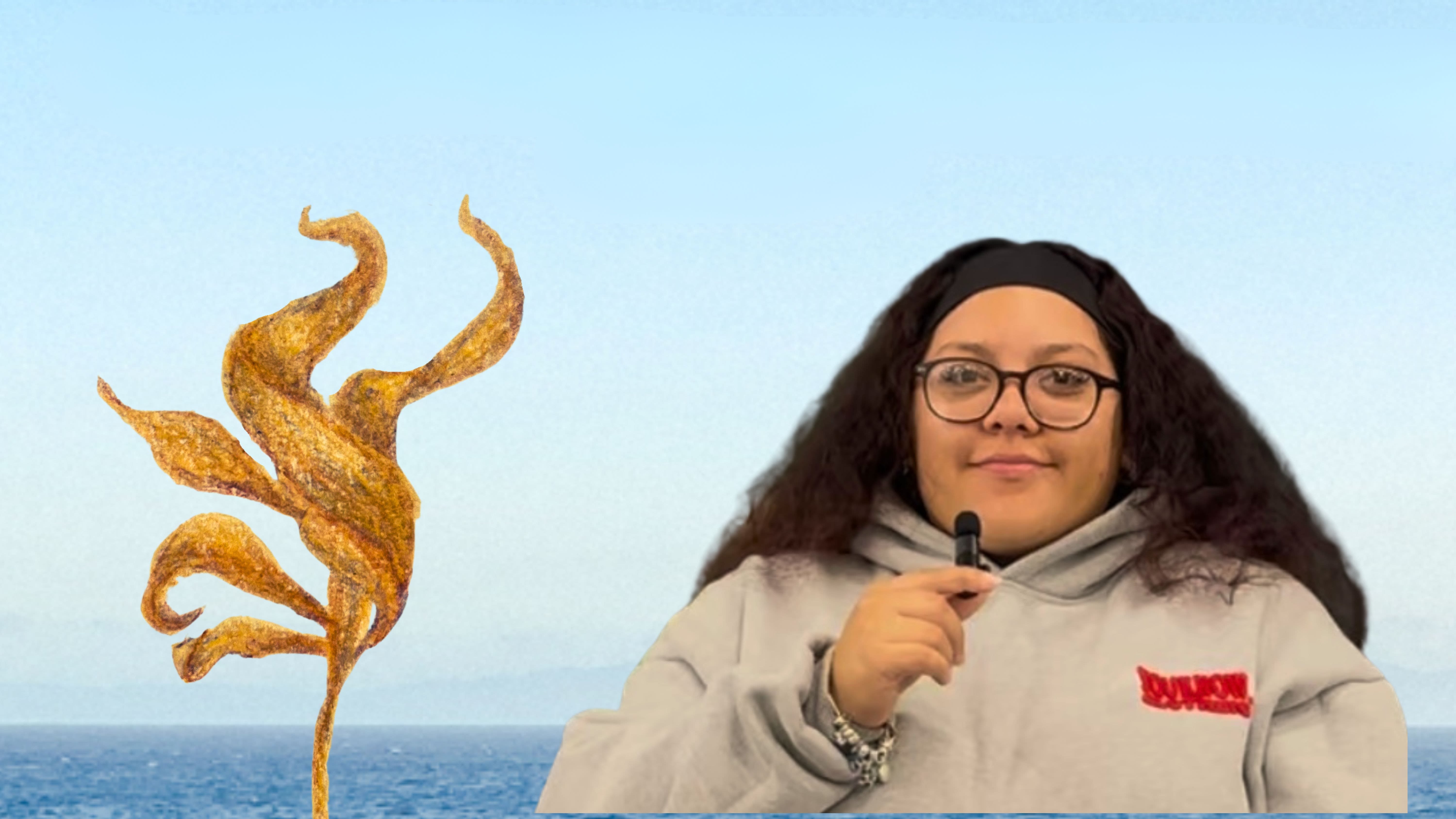
Julianna Sullivan
Port Gamble S’Klallam Tribe
Julianna shares how bull kelp is deeply woven into her People’s identities, teachings, and lived experiences - a relative that carries memory, culture, and belonging within the Salish Sea. As bull kelp faces decline across the Pacific Northwest, she calls for Indigenous-led kelp forest stewardship that is rooted in reciprocity, relationship-building, and Tribal rights, including the recognition of bull kelp as a Washington State marine forest.
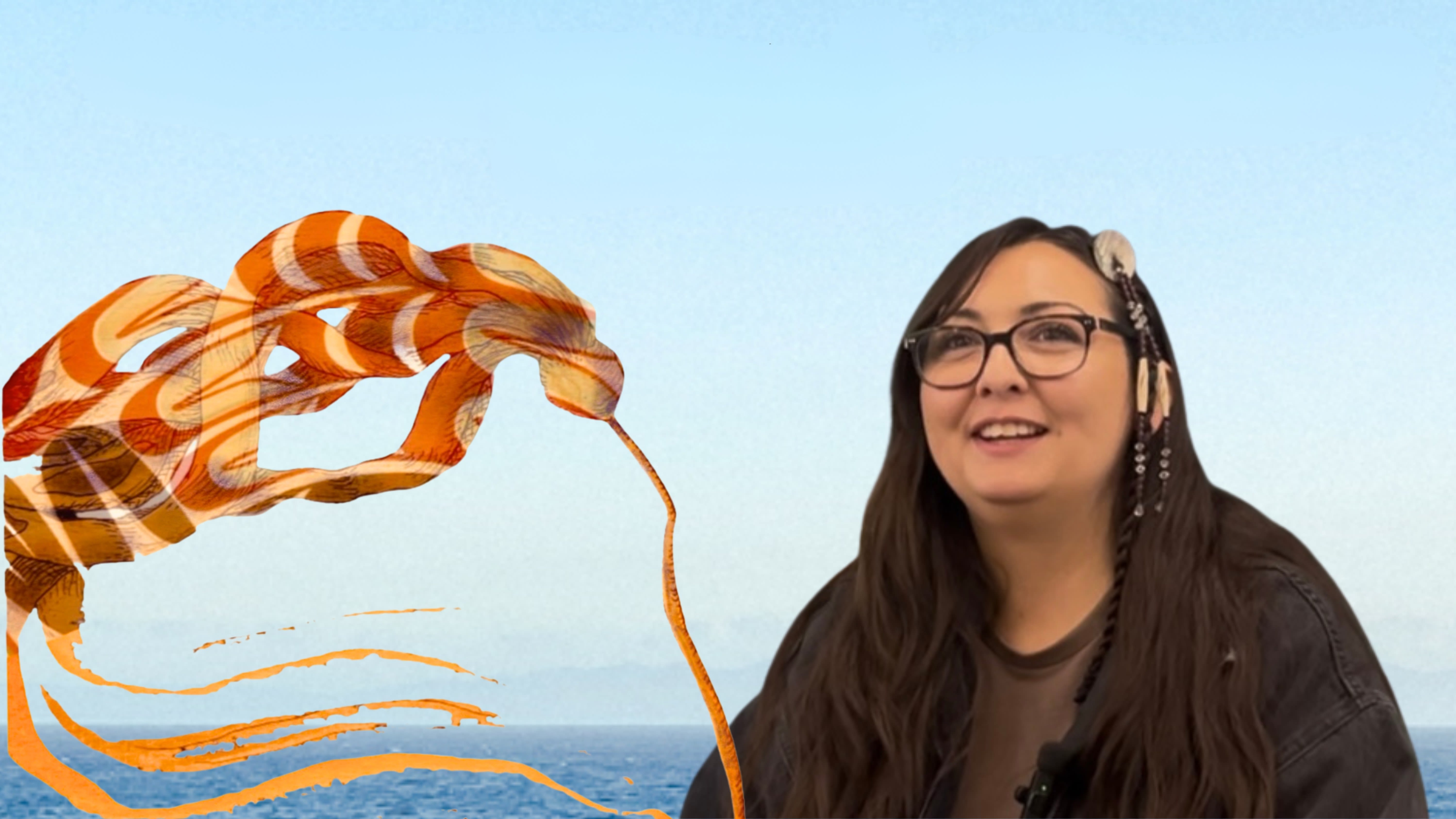
Dan McNeill Gwiisihlgaa
Nyquan Kigwai Raven Clan of the Haida
Dan expresses how kelp forests are an interconnected home -- a source of food, community, happiness, growth, and renewal of life. The Haida have been ocean People for millennia, developing a deep understanding and relationship to the land and sea that continue to shape their stewardship approaches amidst kelp forest decline in the Pacific Northwest, and beyond.
Powered By